The German buttercream is based on pastry cream, into which butter is beaten after it is cold. Truthfully, I have never made this, so it was interesting for me to learn something new. For this recipe, we are going to use my pastry cream but change the amounts of several of the ingredients slightly. Maybe it was because I used my pastry cream, which is firm, so it can accept whipped cream folded in and still hold up, but I found this to be really, really heavy.
Also, maybe because I am used to very light butter creams that are full of flavor, I found this to be a strange combination where I could still taste the pasty cream, but with a lot of butter in it. Personally, I will stay with the Italian, Swiss, or French buttercreams. I will say that when I started, I couldn't imagine it working, but it did. While interesting, it just isn't my favorite.
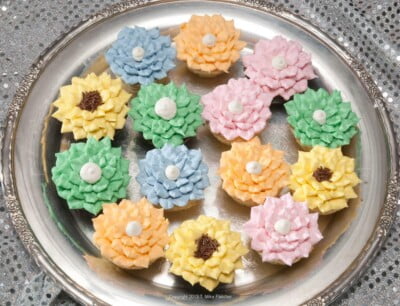
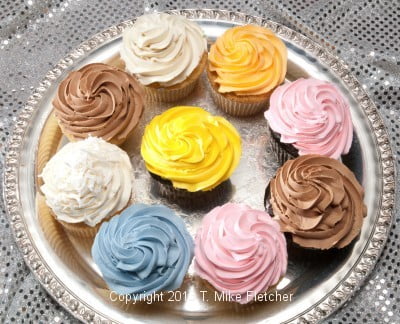
The American buttercream is the simplest of all. For me to call this a buttercream, it has to contain all butter. It is basically butter, powdered sugar, and flavoring - sometimes a bit of milk and cream to smooth it out. You just put everything in bowl and beat it until it is light and fluffy. We never used this for wedding cakes, but we did use it for cupcakes, mainly because they had to sit at room temperature for a long time. I also used it for the cakes we sent to restaurants. One of our most popular cakes, the Espresso Fudge Cake, uses a great Mocha buttercream, and the Spirited Marble Cake, which I posted recently, is a great example of American Buttercream.
Pastry Cream
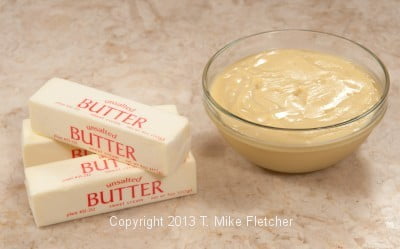
This is based on my pastry cream with a few changes. Please note there is no whipping cream in this recipe. So use these ingredients and follow the how to photographs at https://europeantarts.com/2012/08/05/pastry-cream/
1 teaspoon granulated gelatin
1 tablespoon cold water
4 egg yolks
3/4 cup sugar (150 grams or 5 1/3 ounces)
3 tablespoons flour (28 grams or 1 scant ounce)
1 1/3 cups milk, hot
2 teaspoon vanilla
Dissolve the gelatin in the water. Stir to moisten all of it. Set aside.
Whisk the egg yolks in a medium size saucepan along with the sugar. Whisk in the flour. Make sure you scrape the bottom edges of the pan. It will be very thick. Whisk in a little of the hot milk. Gradually add the rest of the milk, whisking constantly.
Place over medium heat and, whisking constantly, bring the mixture to a boil. Reduce the heat and cook for about 30 to 45 seconds until really thick. Remove from the heat. Tear the gelatin in pieces and add to the pastry cream along with the vanilla. Whisk until the gelatin is dissolved and the vanilla is whisked in. Strain into another bowl. Cover directly with film, cool, then refrigerate overnight.
Yield 2 cups or approximately 454 grams or 1 pound

Pastry Cream
Ingredients
Pastry Cream
- 1 teaspoons gelatin
- 1 tablespoon cold water
- 1 teaspoon pure vanilla extract or 1 vanilla bean split
- 1 ⅓ cup very hot milk
- 4 large egg yolks
- ½ cup sugar (100 grams)
- 3 tablespoons flour (26 grams)
Diplomat Cream
- 1 recipe pastry cream
- 1/2 cup heavy cream
Instructions
- Soften the gelatin in the water and set aside.
- If using the vanilla bean, scrape out the seeds and add to the milk along with the pod; heat the milk until hot but not boiling.
- Whisk the egg yolks and sugar together in a non-reactive saucepan. Whisk in the flour. Remove the pod from the milk. Add the milk slowly, whisking well and scraping the corners of the pan with a rubber spatula to make sure all of the egg yolk mixture is incorporated.
- Place over medium heat and, stirring constantly, bring to a boil. Boil for 1 minute, stirring constantly. Remove from the heat and add the vanilla (if using extract). Tear the dissolved gelatin into small pieces and stir it into the hot liquid (there is no need to liquefy it, the heat of the mixture will do this for you).
- Pour into a storage container, cover the surface with plastic wrap, poke a few holes in it and refrigerate overnight to chill or freeze.
- Yield: about 2 cups (490 grams)
Diplomat Cream
- Place the cold pastry cream in a bowl. Whisk it until it is smooth. It will be very chunky in the beginning, just keep whisking to smooth it out.
- Whip the cream until stiff. Fold it in until it is all incorporated and smooth. This can be stored in the refrigerator for 2 or 3 days before using.
Notes
Nutrition
German Buttercream
Pastry Cream
2 sticks unsalted butter, softened (225 grams or 8 ounces)
Additional flavoring of your choice, optional
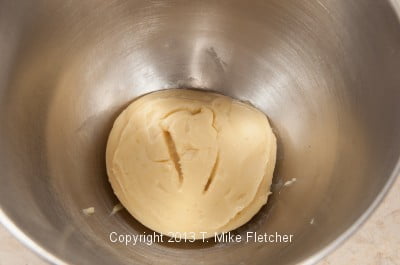
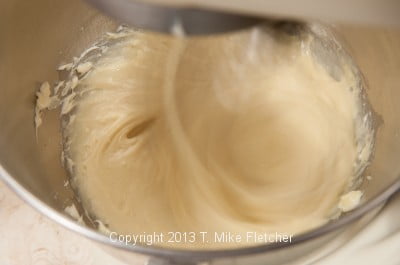
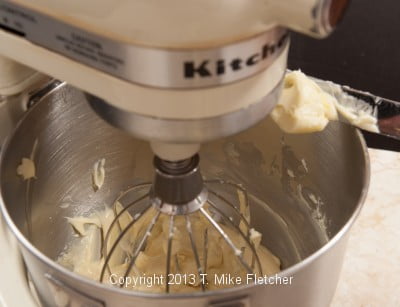
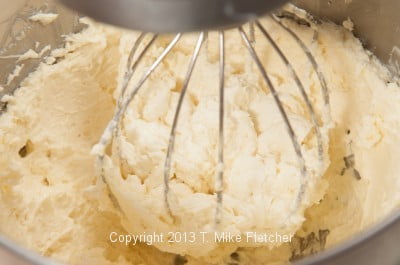
Place the pastry in a mixing bowl. With the whisk attachment, beat until smooth. Add the butter about 2 tablespoons at a time. Add additional flavoring if using and beat until light.
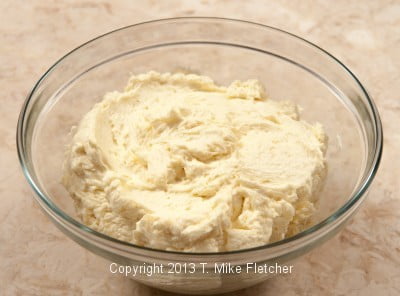
Yield: 800 grams or 1 3/4 pounds or 4 cupes

German Buttercream
Ingredients
- Pastry Cream
- 2 sticks unsalted butter, softened (225 grams or 8 ounces)
- additional flavoring of your choice optional
Instructions
- Place the pastry in a mixing bowl. With the whisk attachment, beat until smooth.
- Add the butter about 2 tablespoons at a time. Add additional flavoring if using and beat until light.
- Yield: 800 grams or 1 ¾ pounds or 4 cups
Nutrition
American Buttercream
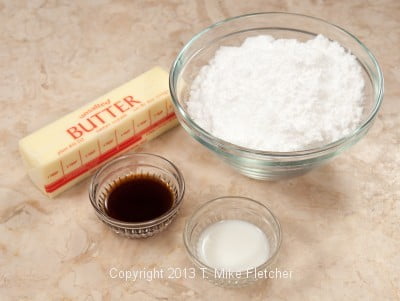
1 stick butter, softened (114 grams or 4 ounces)
1 3/4 cups unsifted powdered sugar (200 grams or 7 ounces)
2 teaspoon vanilla
1 teaspoon cream or milk
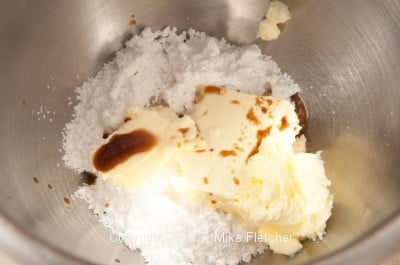
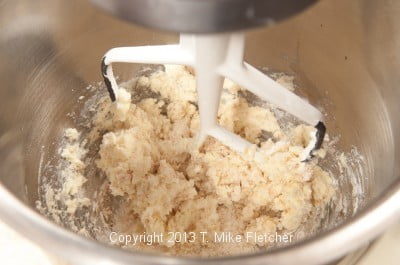
Place all ingredients in the bowl of a mixer. Beat on low to combine. Raise to medium and beat until smooth and lighter.
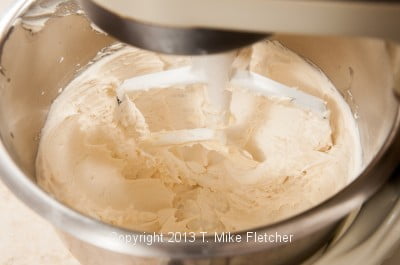
Yield: 1 1/2 cups or 300 grams or 10 ounces.
American Buttercream
Ingredients
- 1 stick butter, softened (114 grams or 4 ounces)
- 1 ¾ cups unsifted powdered sugar (200 grams or 7 ounces)
- 2 teaspoon vanilla
- 1 teaspoon cream or milk
Instructions
- Place all ingredients in the bowl of a mixer. Beat on low to combine. Raise to medium and beat until smooth and lighter. Beaten in mixer bowl.
- Yield: 1 ½ cups or 300 grams or 10 ounces.
Nutrition

Steven Nagle says
The German buttercream that I make has been the equivalent of a boxed pudding mix, cooked with half the recommended liquid and I use half and half instead of milk. Once this is cooled, I will beat this until fluffy and then gradually incorporate almost room temperature butter. This makes a firmer frosting than starting with pastry cream and it holds up quite well and is creamy. I learned this method both from my mother in law and a German baker, who I apprenticed under.
Helen S Fletcher says
Interesting Steven. My mother used to make the boxed pudding mix with less milk and then she would fold whipped cream into it. She used it anywhere pastry cream was required including the best cream puffs ever. Thanks for reminding me and sharing.
Stacy says
When sealed with fondant-- as in a tiered wedding assembly -- how will the German BC hold up at room temp? I think it would make a great tiered filling and will take flavor exceptionally well.
Stacy
hfletcher says
Hi Stacy: I honestly don't know how the German would hold up as I never used it. I only did it for the article on buttercreams. I used Italian buttercream for the filings of most of my wedding cakes and we coated the outside of the layers so the fondant would stick to the cake. The only thing you need to be careful about is not to put too much on the cake when sealing it as the fondant is so heavy. If you put too much buttercream on, it will ooze out at the bottom.
Bill Doyle says
Helen,
Exactly how does one "tear" granulated gelatin?
Sorry, Just being a smart-aleck! Was it supposed to be made with sheet or granulated?
BD,CEC
hfletcher says
Hi Bill - Smart alecks are welcome!! I did mention granulated gelatin in the ingredient list to avoid confusion. At the bakery we worked with granulated, when I taught they used sheet gelatin and I still favor granulated because it is easier for me. Thanks so much for reading Bill.
Mary@SiftingFocus says
Helen, writing about German buttercream took me way back. One of my first boyfriend's mother was German. She frequently made cakes that were filled with German buttercream. Being American, I was use to the sweeter confectioners sugar buttercream. It took me quite a while to acquire a taste for her cakes. They were much less sweet than the typical "American" layer cake. She also spread a thin layer of jam on the cake layers before spreading on the buttercream. I eventually grew to love her cakes and have thought of them from time to time over the years. I think I might try to re-create one on my blog. By the way, I have really enjoyed all your posts on buttercream recipes. Thanks for sharing!
hfletcher says
Thanks Mary. I absolutely agree that German and many European pastries are less sweet and sometimes take getting used to. My parents were from Europe and I grew up with those pastries. My mother was a great baker and as much as I tried not to pay attention since I was such a tomboy her baking was the basis for my love of it. The Germans make a great pastry, Murbteig, which I wrote about in my book, The New Pastry Cook. It makes the most wonderful cookies and pastry. I'll blog about it at some point.
Cleopatra says
Greetings Helen
Thank you for your in-depth tutorials on buttercreams especially the European buttercream. My preferred buttercream is the German buttercream. I have tried the SMBC and IMBC - I like them both but favor the German. I’m a hobby baker and how I wish I could bake to sell. Butter is very expensive here in Zimbabwe so 99% of bakers use a cream powder called Finowhip. You mix it it up with either milk or water - it’s cheap and cost effective. I have tried this but I couldn’t stand the taste.
May I ask if you have used gel colors with your buttercreams?
I am continuing through all your tutorials - like a child let loose in a sweet shop
Helen S Fletcher says
Hello Cleopatra - I prefer gel colors to liquid or powdered. They go in smoothly and with more color. We used the Italian Buttercream in the bakery and made buckets and buckets of it plain and then flavored it as needed.