Pastries Like a Pro

  • Home
  • Recipes
  • About Helen
  • Mother's Day
  • Subscribe
  • Contact
menu icon
go to homepage
  • Home
  • Recipes
  • About Helen
  • Mother's Day
  • Subscribe
  • Contact
    • Facebook
    • Instagram
    • LinkedIn
    • Pinterest
    • Twitter
  • subscribe
    search icon
    Homepage link
    • Home
    • Recipes
    • About Helen
    • Mother's Day
    • Subscribe
    • Contact
    • Facebook
    • Instagram
    • LinkedIn
    • Pinterest
    • Twitter
  • ×
    Home

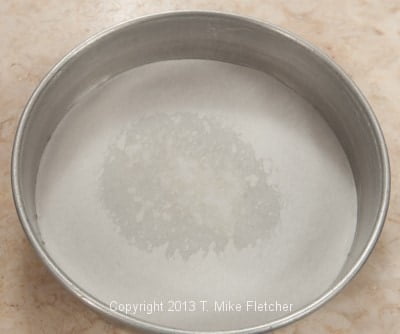
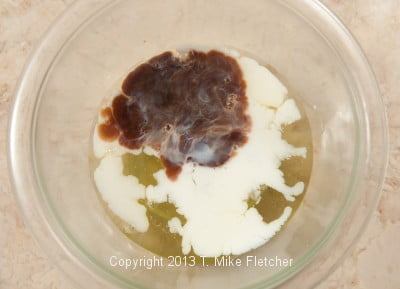
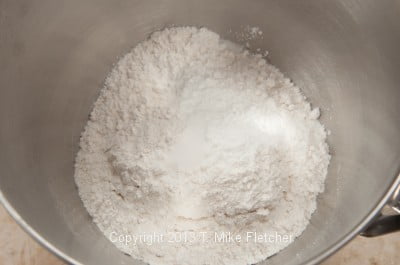
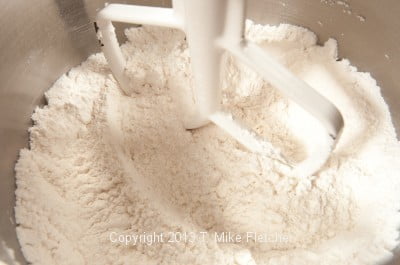
    Creamy Pound Cake with Strawberry Lemon Sauce

    Modified: Jul 30, 2025 · Published: Aug 28, 2013 by Helen S Fletcher · This post may contain affiliate links · 10 Comments

    Finished photo

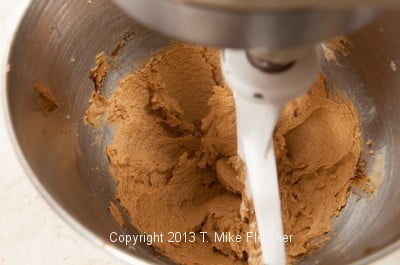
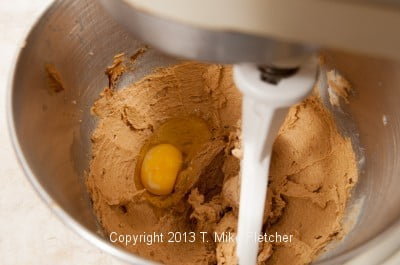
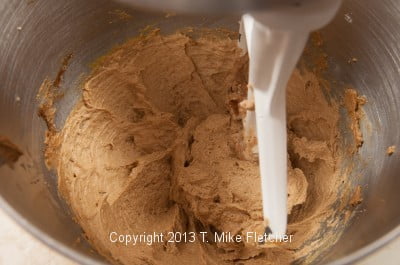
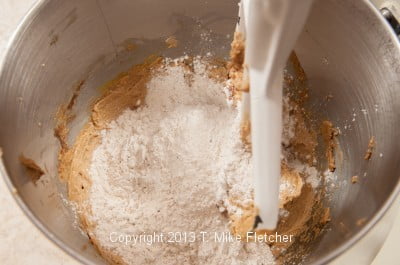
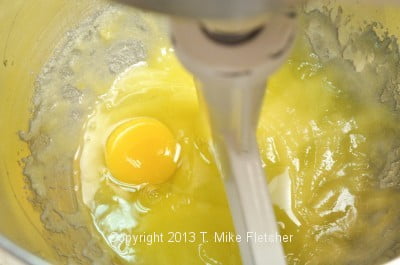
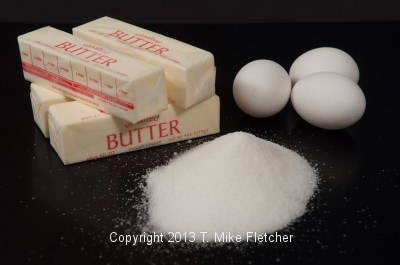
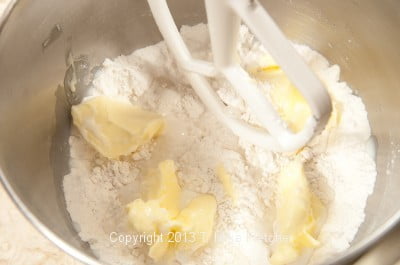
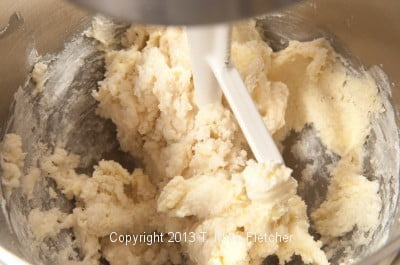
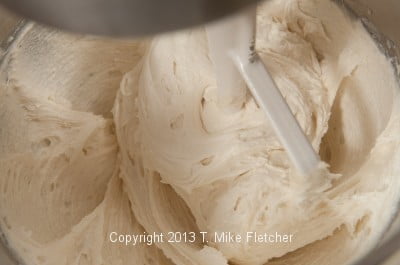
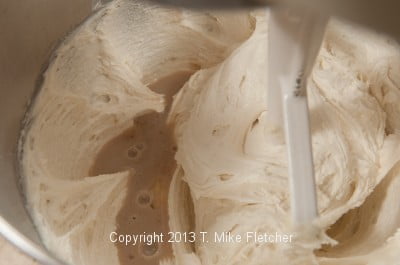
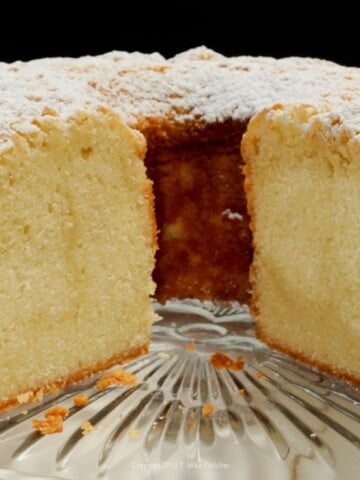
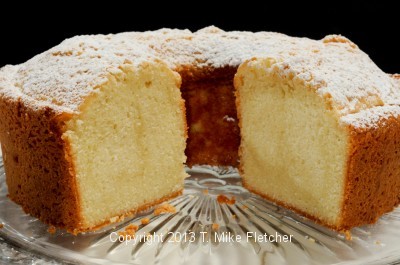
    Finished photoMany years ago a friend of mine gave me the recipe for this Creamy Pound Cake.  I remember thinking this couldn't possibly work - as bakers we have been trained to preheat the oven.  This started in a cold oven. But because she was such a good cook I decided to give it a try exactly as it was given to me.  Wow! was I wrong!  This is a fantastic, easy pound cake.  The only caveat is to make sure the butter is really soft or it won't blend together with the large amount of sugar.  I find it fascinating that is rises as it does without the benefit of any kind of leavening which is why it is important beat a lot of air into the butter/sugar.  It is a dense cake, as pound cakes are, but it has a moistness and flavor that is incomparable.  It literally lasts for days under a cake cover and freezes well.

    Everyone I know who has made this has sworn by it and like me, finds the recipe fascinating.  In fact, the reputation of this pound cake is so great,  I was asked by a local magazine for the recipe to use in their yearly cookbook.

    Every time I make this I think of my friend, now gone, and what a wonderful gift she gave me. [Read more...]

    Measuring for Baking

    Modified: Oct 13, 2025 · Published: Aug 26, 2013 by Helen S Fletcher · This post may contain affiliate links · 6 Comments

    Scale
    Scale

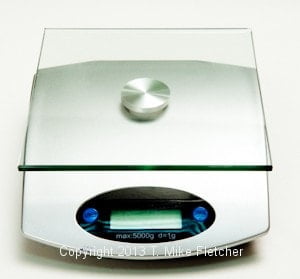
    When it comes to baking , weights and measurements are critical and scales are the key to accuracy.  In cooking, it is easier to correct mistakes than in baking.  Recently, a reader made my Angel Food cake and wrote to tell me it didn't rise as she expected.  Could I tell her what she might have done wrong, she asked.  My first guess was she incorrectly weighed the flour.  I suggested she use a scale if possible, she did on the next one and happily it came out perfectly for her.  This is the best case I can make for scales.  Anyone who knows me, knows this has been my mantra in baking for years - scales, scales, scales.

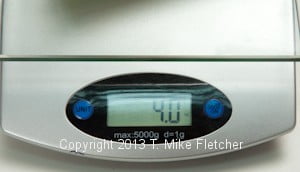
    grams on scale

    They are easy to obtain (even Walmart stocks them) and cost around $20.00 to $30.00 - a small investment for peace of mind when measuring ingredients.  Make sure the scale will weigh in either grams or ounces.

    Scale 2

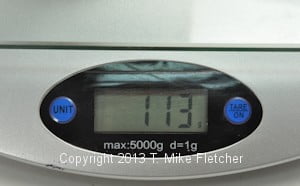
    Mine goes up to 10 pounds but it should go up to at least 5 pounds.  When you get your scale home, test it for accuracy by weighing a pound of butter.  Take the butter out of its carton first, turn on the scale and weigh it.  It should be 16 ounces or 454 grams.  We tested all of our scales at the shop this way.

    [Read more...]

    Peach Pizza

    Modified: Aug 11, 2025 · Published: Aug 22, 2013 by Helen S Fletcher · This post may contain affiliate links · 2 Comments

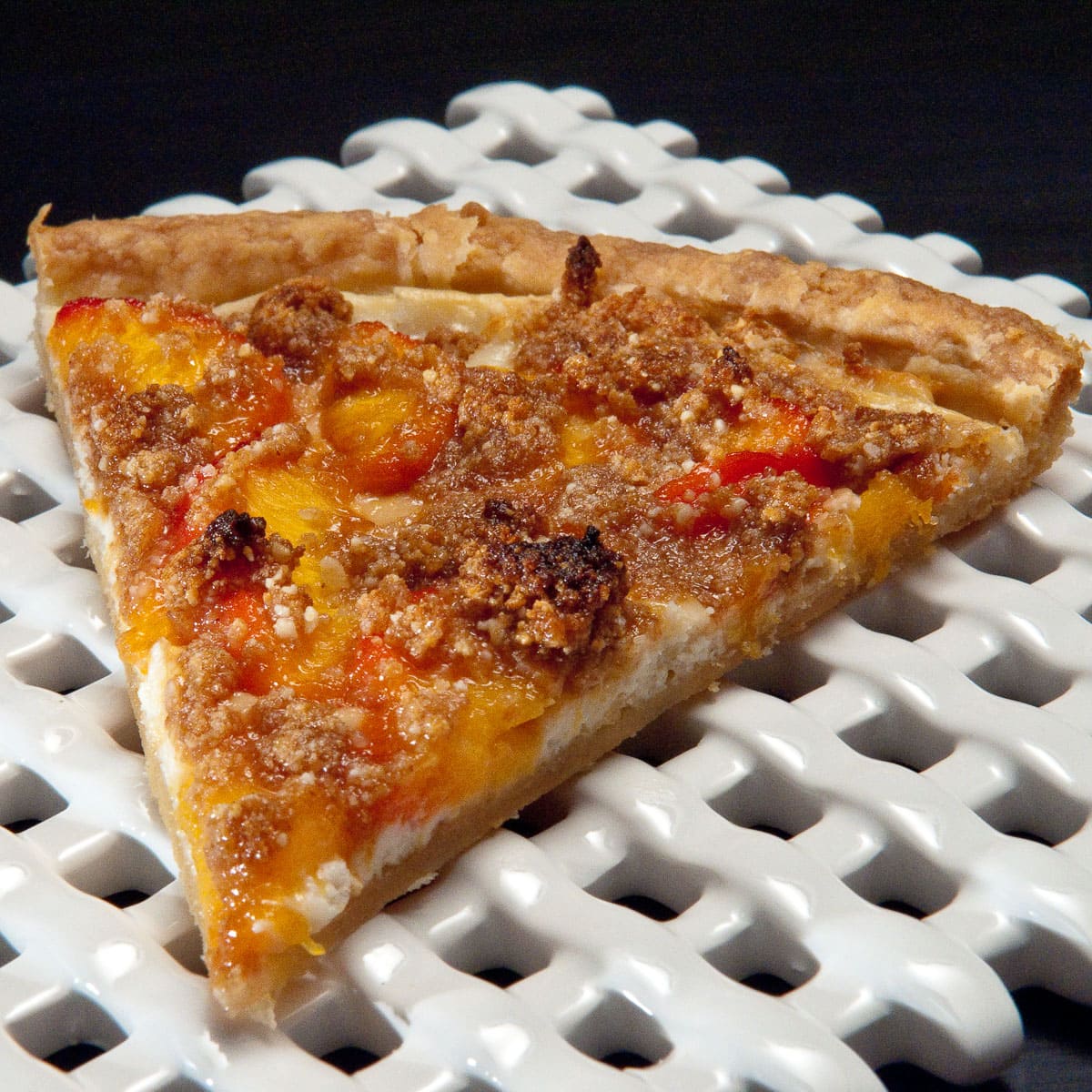
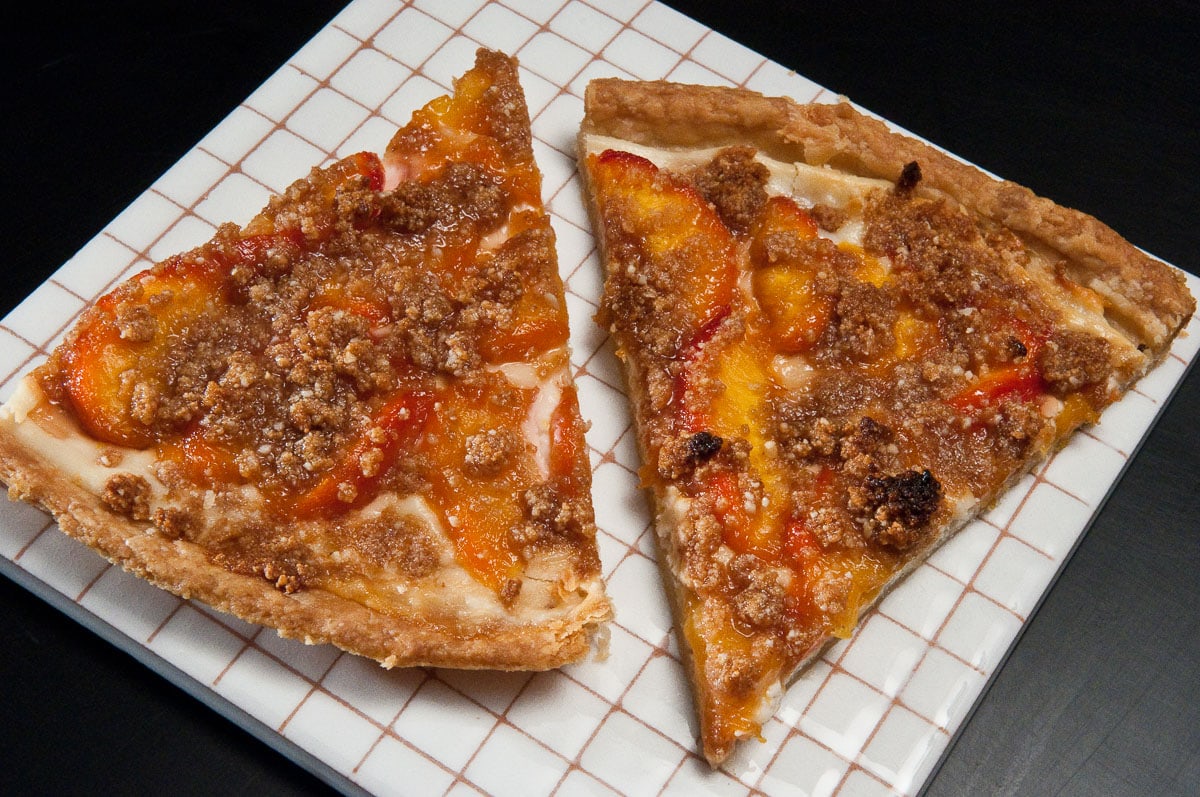
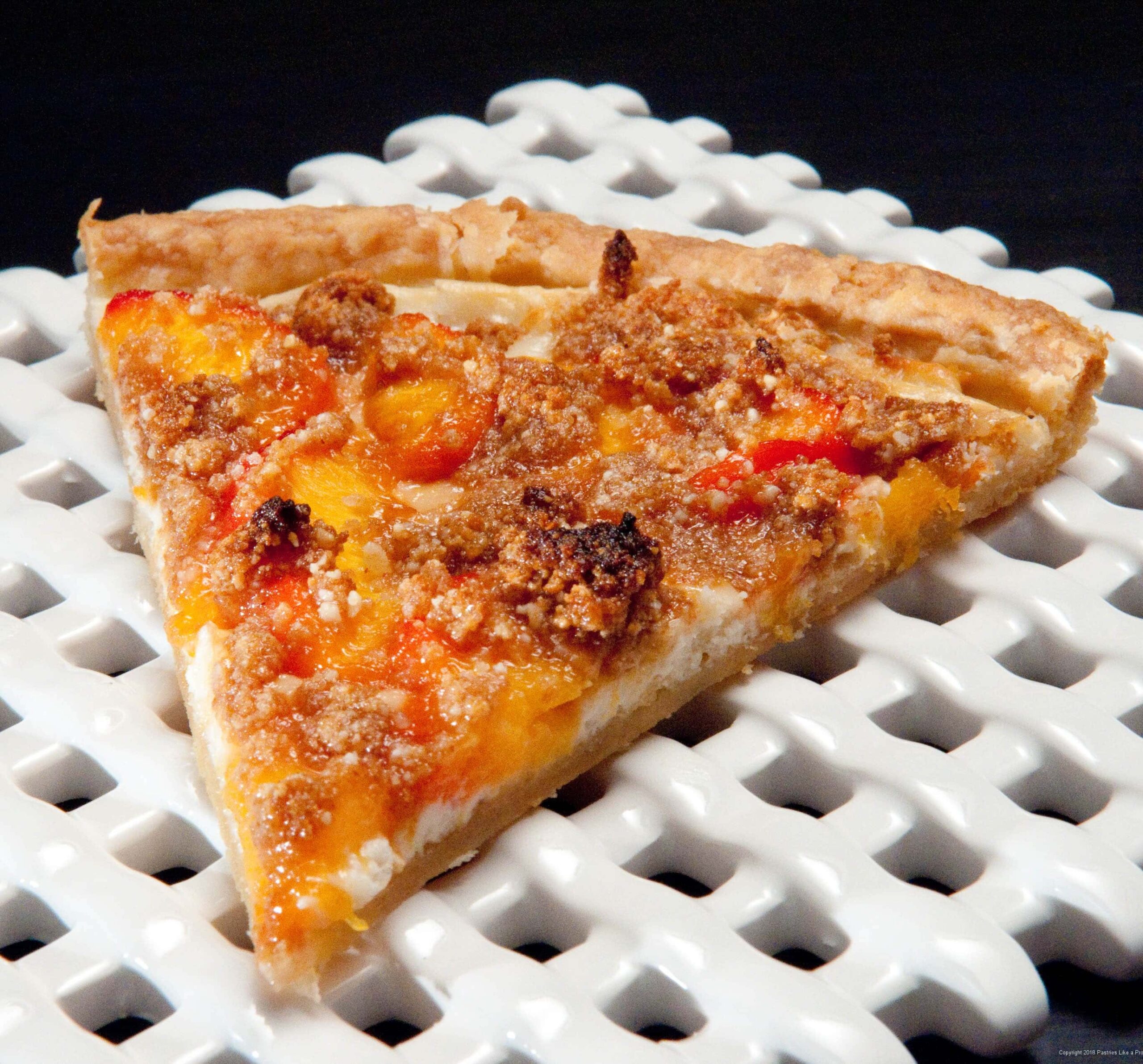
    Slice on trivet

    What a fantastic dessert this eye-catching Peach Pizza is for a summer's dinner. Juicy peaches are abundant this time of year and coupled with a rich, buttery, French pâte brisée crust and tangy goat cheese filling, you are sure to be on the receiving end of kudos from happy diners.

    A slice of Peach Pizza sits on a white lattice tray on a black background.

    Peach Pizza can be served warm or room temperature.

    [feast_advanced_jump_to]

    Why You'll Love This Recipe

    • The flavor is out of this world wonderful.
    • Be sure to cut it in front of everyone so they can see how gorgeous it is.
    • It's perfect for a simple grilled or barbecued dinner or a more formal sit down affair.
    • Every component of this dessert can be made ahead and assembled later.
    • It has a few component parts but all of them are easy to make.
    • You'll look like a genius when serving this.

    Recipe Ingredients

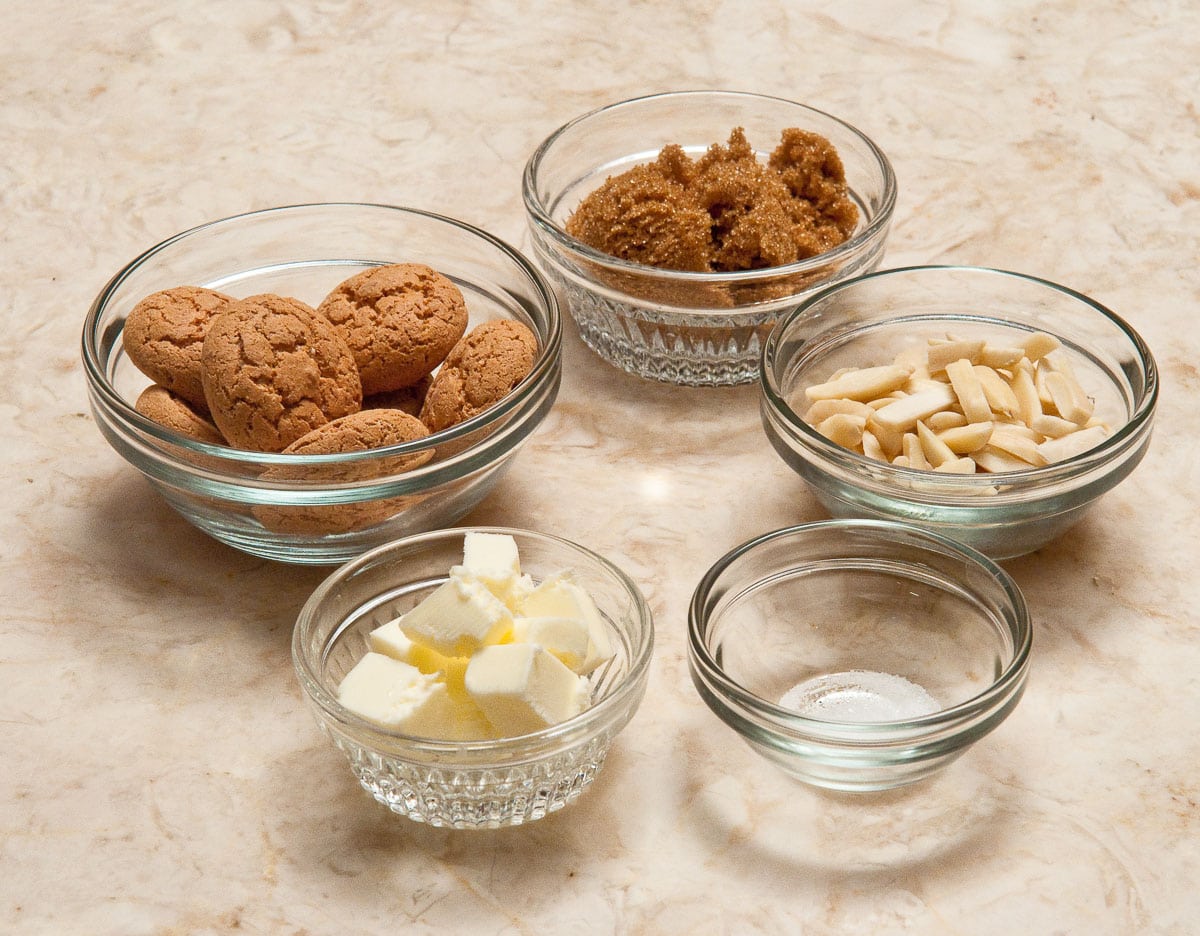
    Amaretti Crumble

    The ingredients for the amaretti crumble are amaretti cookies, brown sugar, almonds butter and salt.

    COUNTERCLOCKWISE: Amaretti cookies, brown sugar, almonds, salt and butter

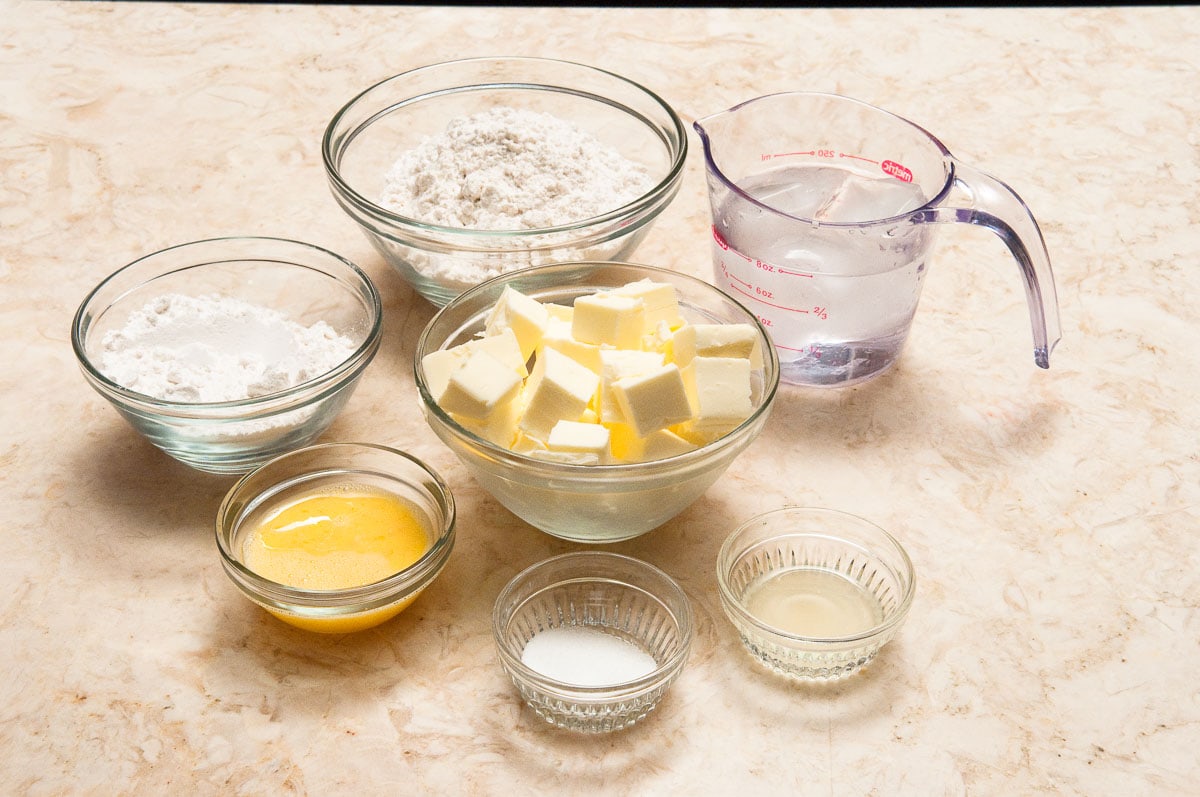
    Pâte Brisée Crust

    All-purpose flour, cake flour, salt, unsalted butter, egg, lemon juice and cold water make up the pâte brisée crust.

    COUNTERCLOCKWISE: Egg, cake flour, all-purpose flour, ice water, lemon juice, salt with unsalted butter in the middle.

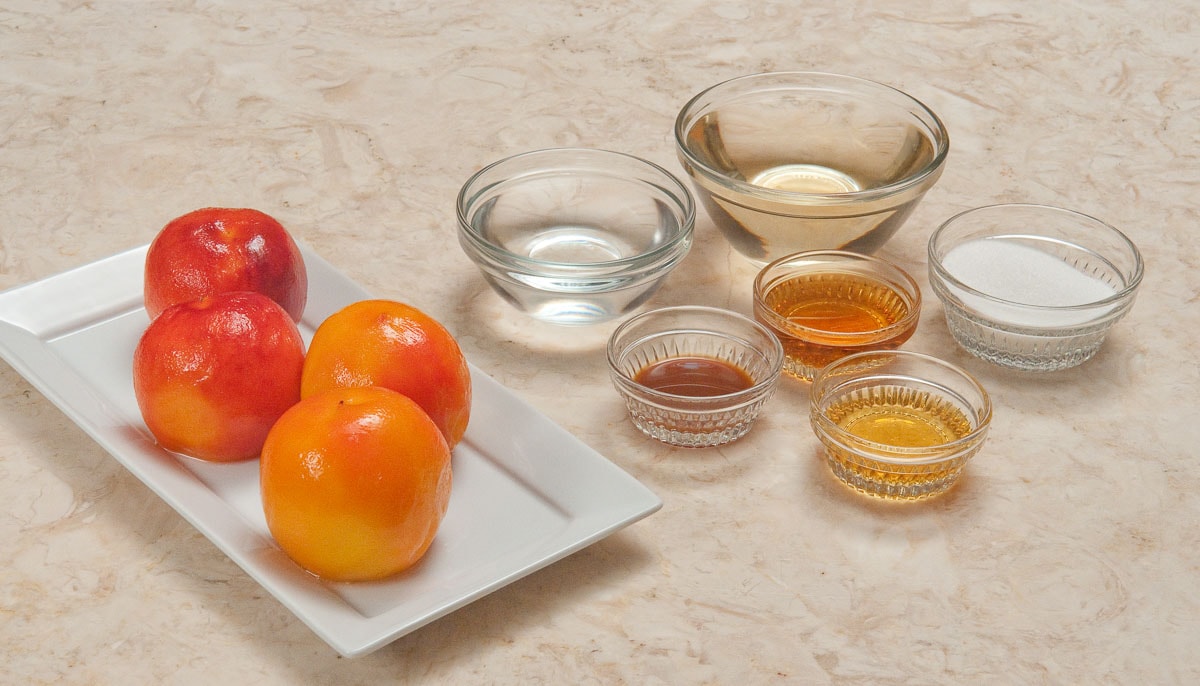
    Poached Peaches

    The ingredients for the poached peaches include peaches, white wine, amaretto, sugar, honey, water and vanilla.

    COUNTERCLOCKWISE: Peaches, water, white wine, sugar, honey, vanilla and amaretto.

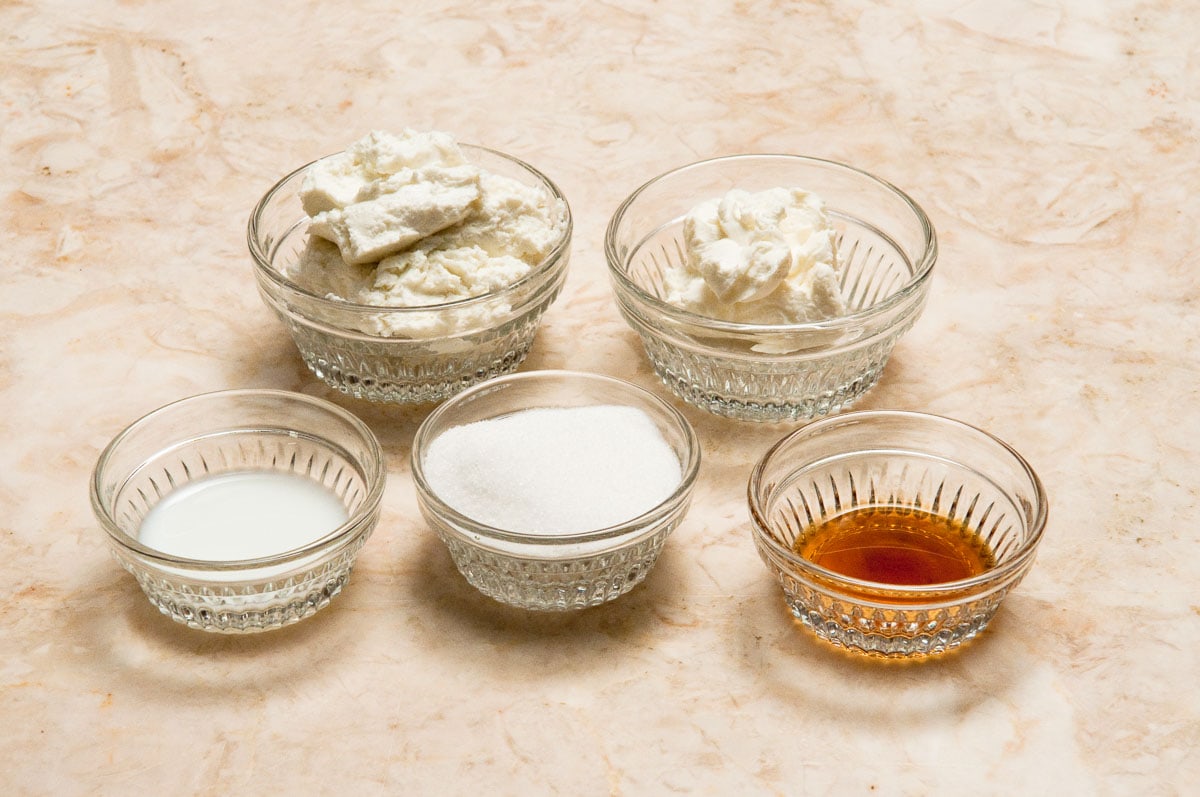
    Goat Cheese Filling

    Filling ingredients include, goat cheese, cream cheese, sugar, vanilla, and milk.

    BACK ROW: Goat Cheese, cream cheese

    FRONT ROW: Milk, sugar, vanilla

    • Use ripe peaches, but not overly ripe as they will turn to mush when poached.  Unfortunately, when you buy them they are not usually marked as such.  Cling free peaches simply have stones that don’t cling to the peach when you remove them.  Basically they look a lot nicer when stoned and cut.  All About Peaches has great information on this favorite fruit.
    • There is a goat cheese with honey that seems readily available that is perfect for this recipe. I also cut the goat cheese with a bit of cream cheese to reduce the astringency.
    • Amaretti cookies can be hard to find in grocery stores but I have great version of these Italian almond cookies that are very easy to make. One caveat - do not use home made almond paste for these. I have more information on this on my How to Make Almond Paste post.
    • Tahitian Vanilla is my favorite for this recipe because of its floral flavor. However, any vanilla is fine.

    Be sure to see the recipe card below for the full ingredients list and Instructions.

    Step by Step Instructions

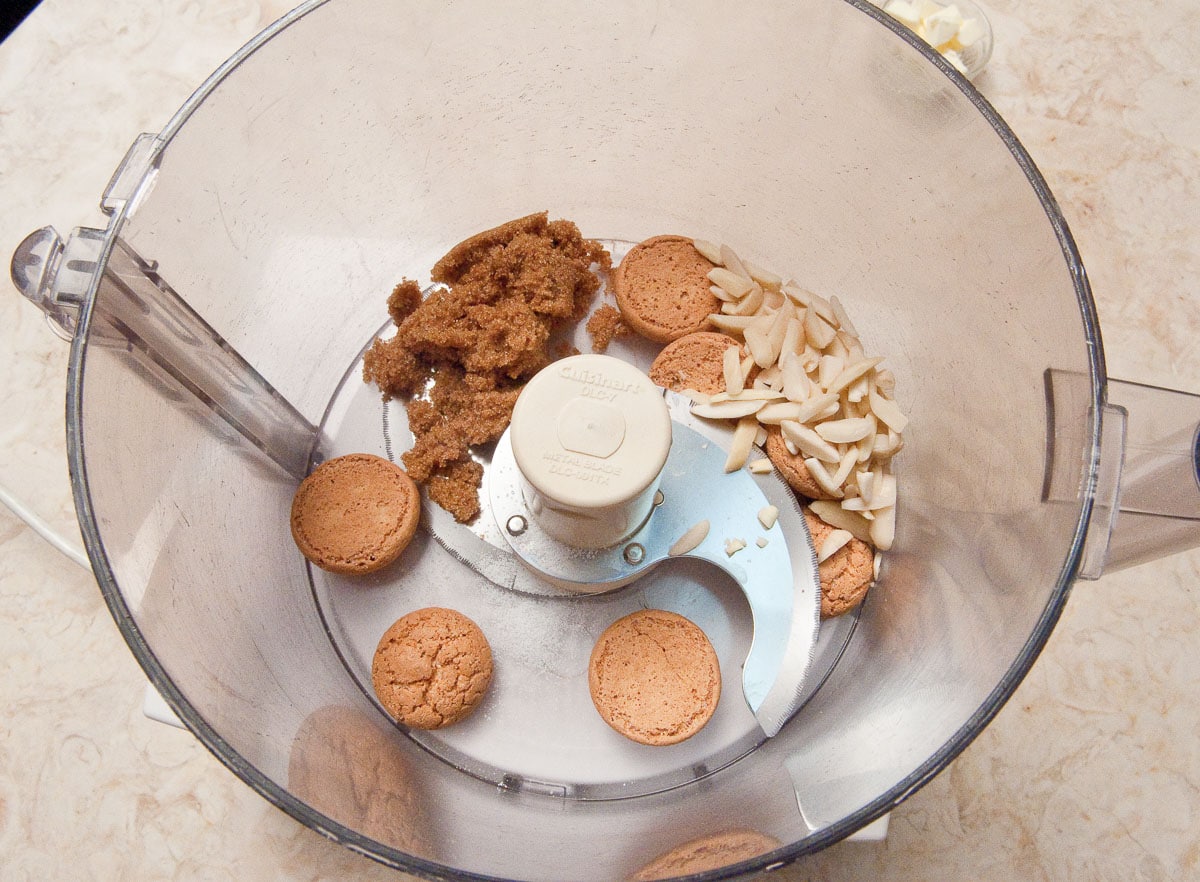
    Amaretti Crumble

    The amaretti cookies, almonds, brown sugar and salt are placed in the bowl of a processor.

    Step 1. Place all but the butter in the bowl of a processor.

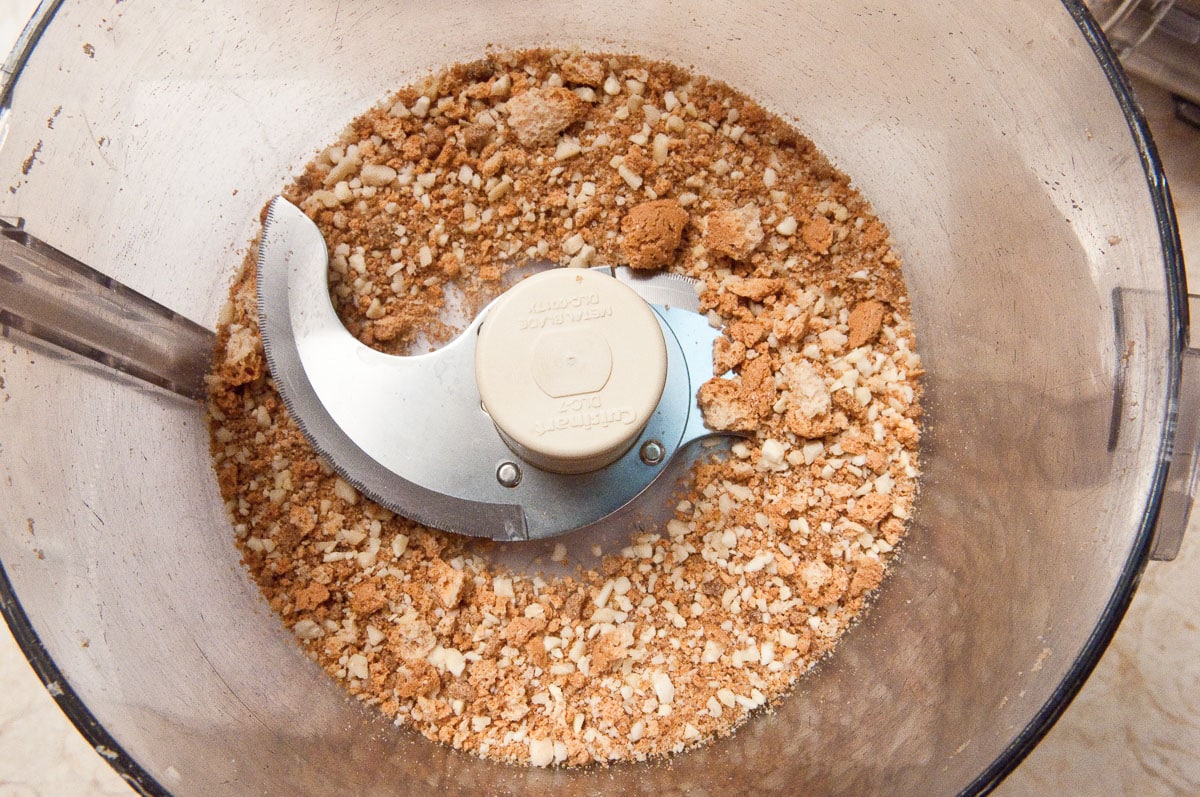
    The dry ingredients for the amaretti crumbs are coarsely chopped.

    Step 2. Process to coarsely break up the dry ingredients.

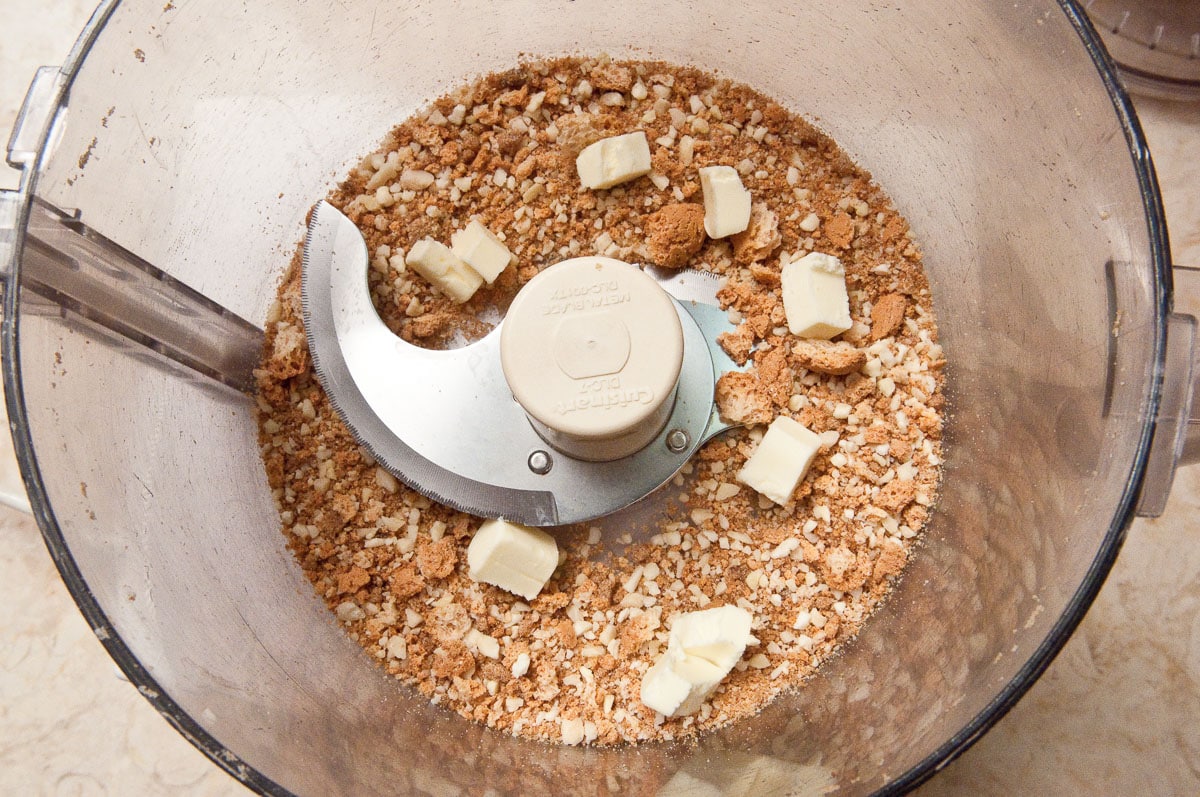
    The butter is added to the processor for the crumble.

    Step 3. Add the butter to the crumbs in the processor.

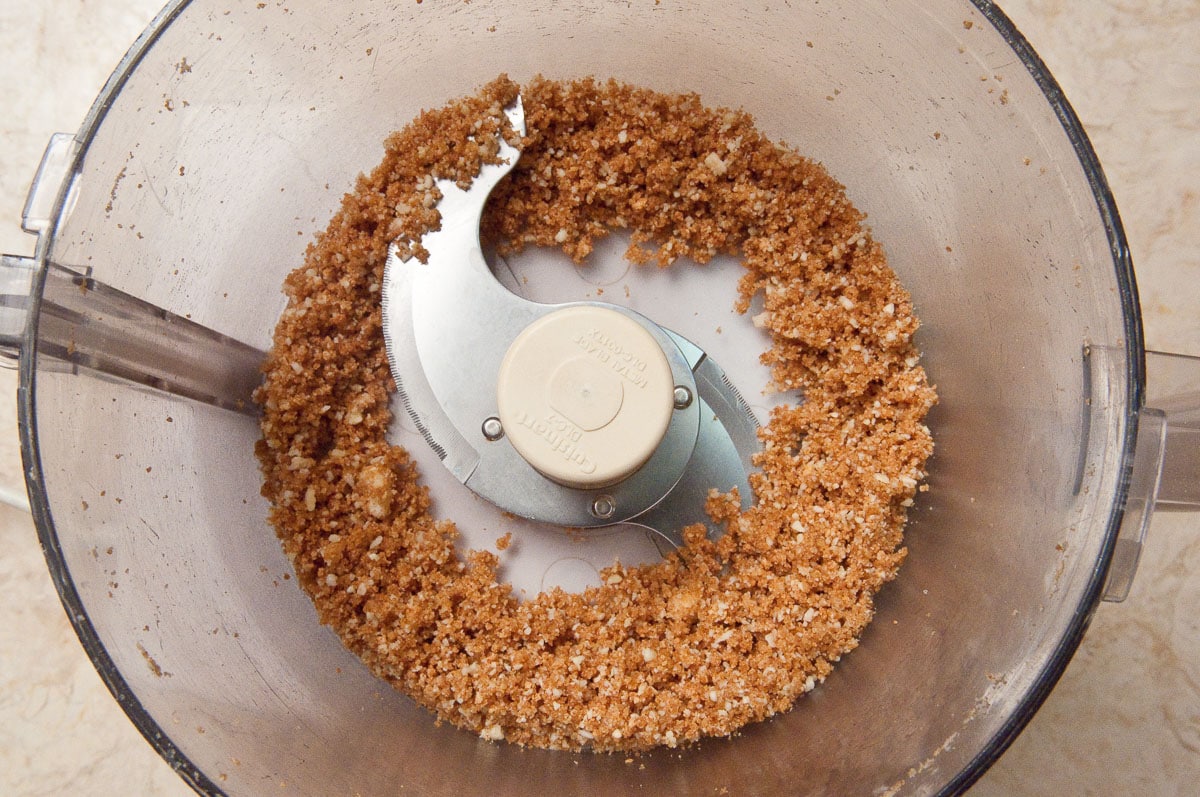
    The butter is pulsed in to form crumbs.

    Step 4. The butter is pulsed in to form crumbs. Remove and refrigerate.

     Pâte Brisée Crust

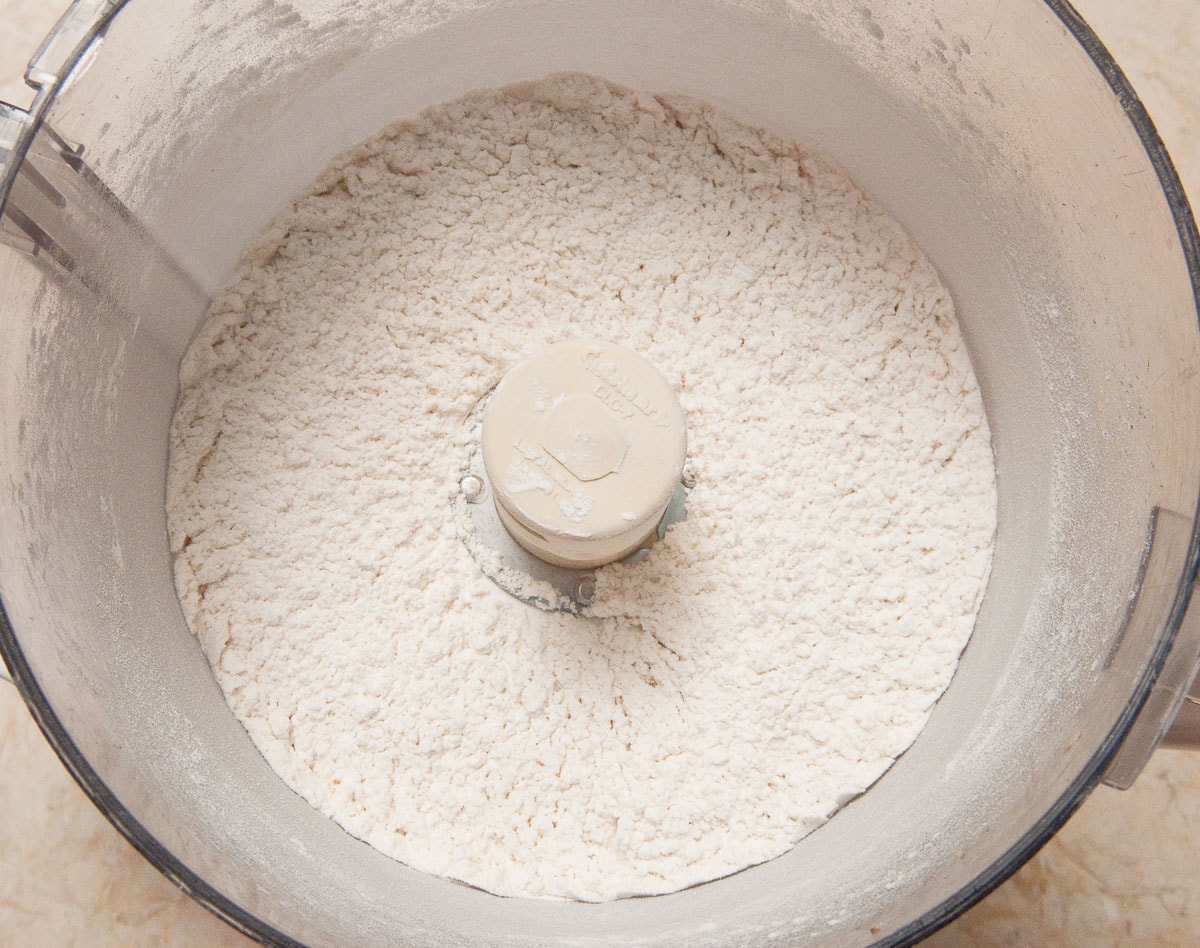
    The flours and salt are processed briefly.

    Step 1. Place both flours and salt in the bowl of the processor. Pulse to mix.

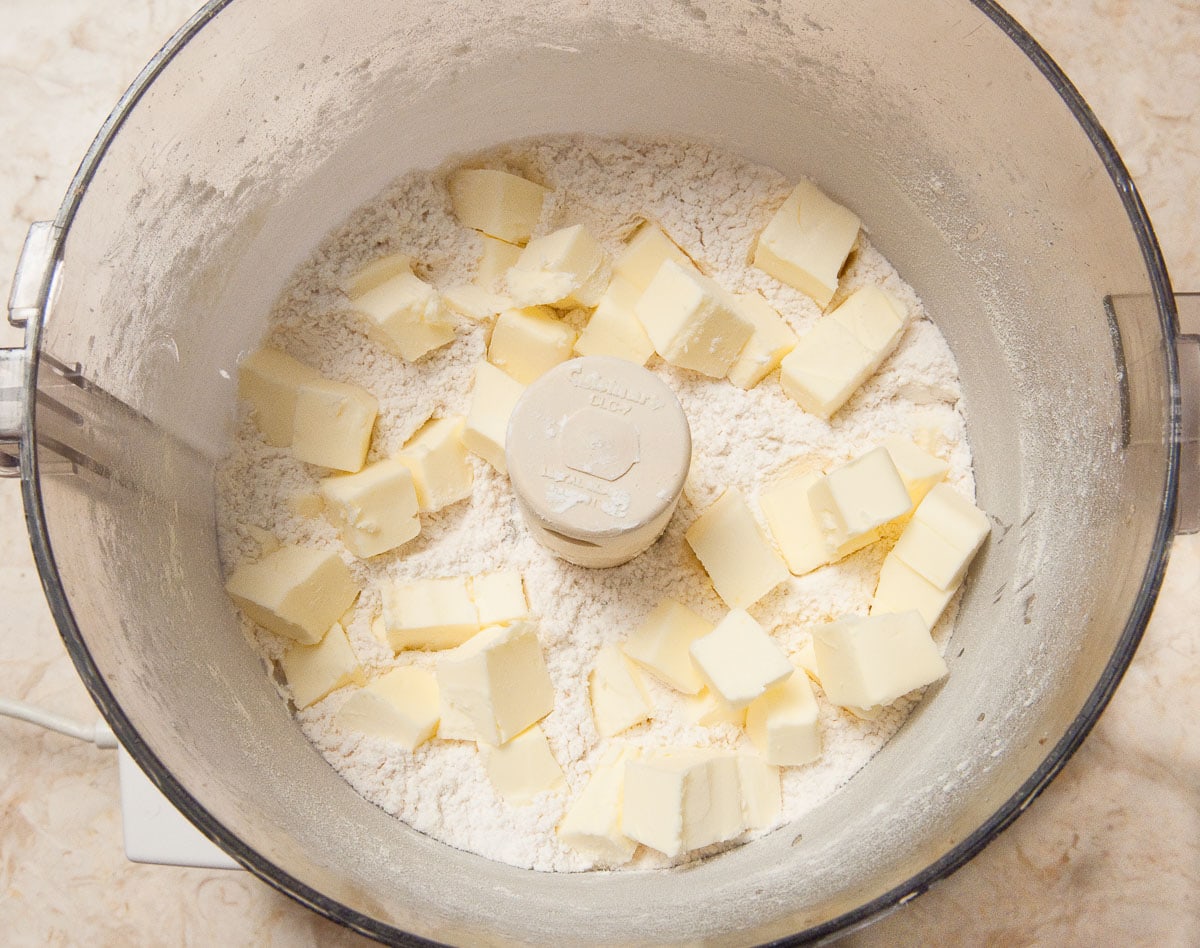
    The butter is added to the processor with the dry ingredients.

    Step 2. Add the cold, cut butter to the processor.

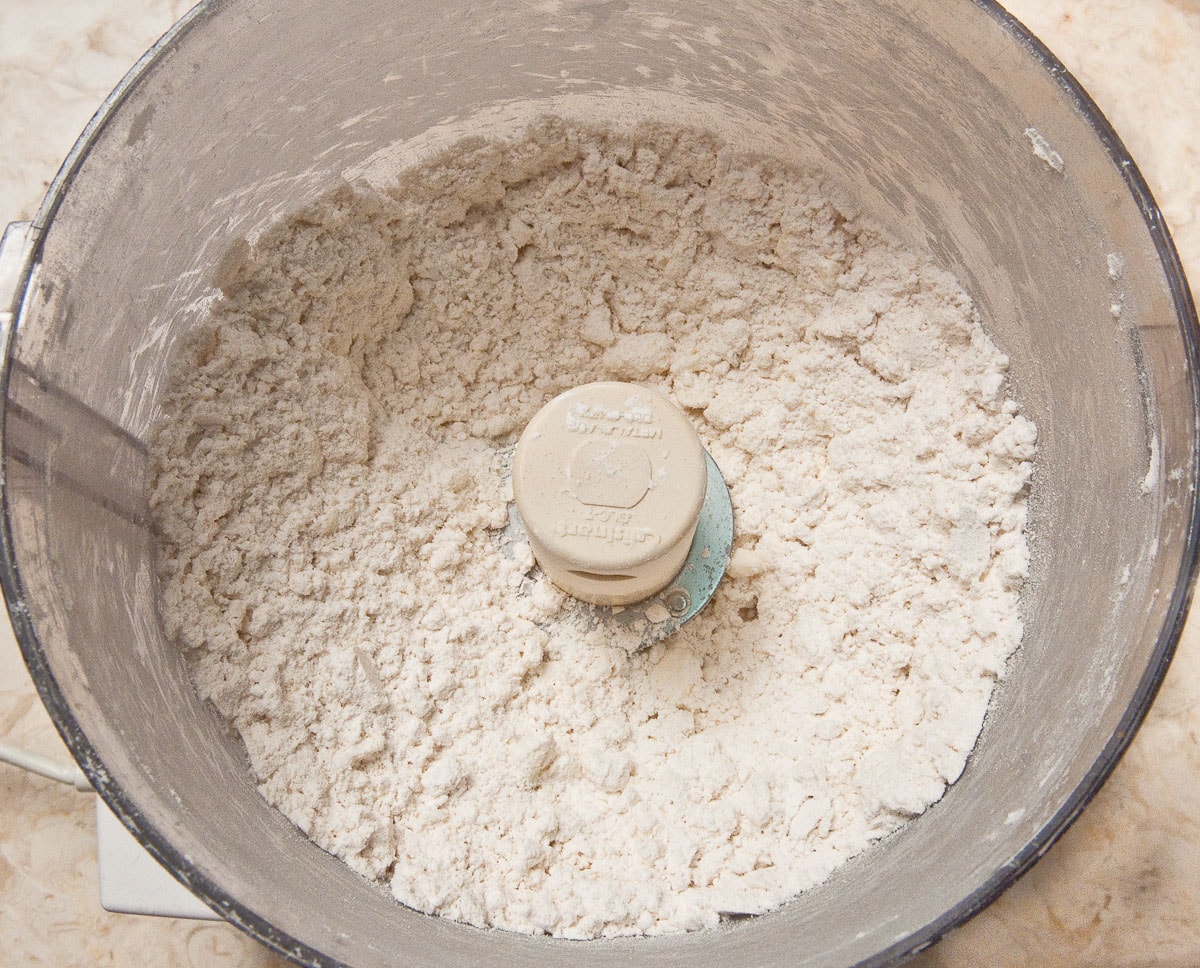
    The butter is processed until it is the size of peas.

    Step 3. Pulse the butter in until it is the size of peas.

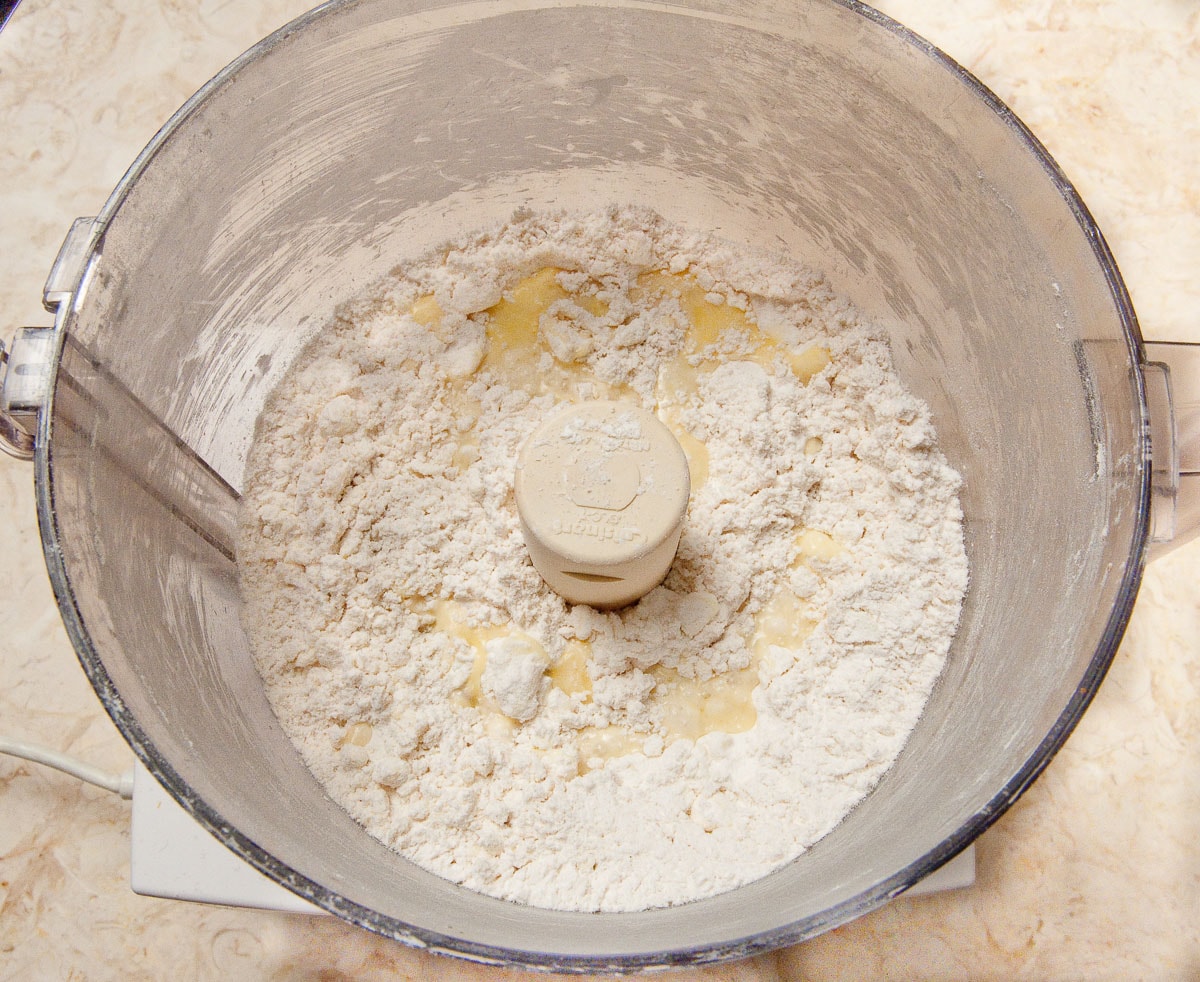
    The liquids are combined and poured over the ingredients in the processor.

    Step 4. Combine the liquids and pour them over the ingredients in the processor.

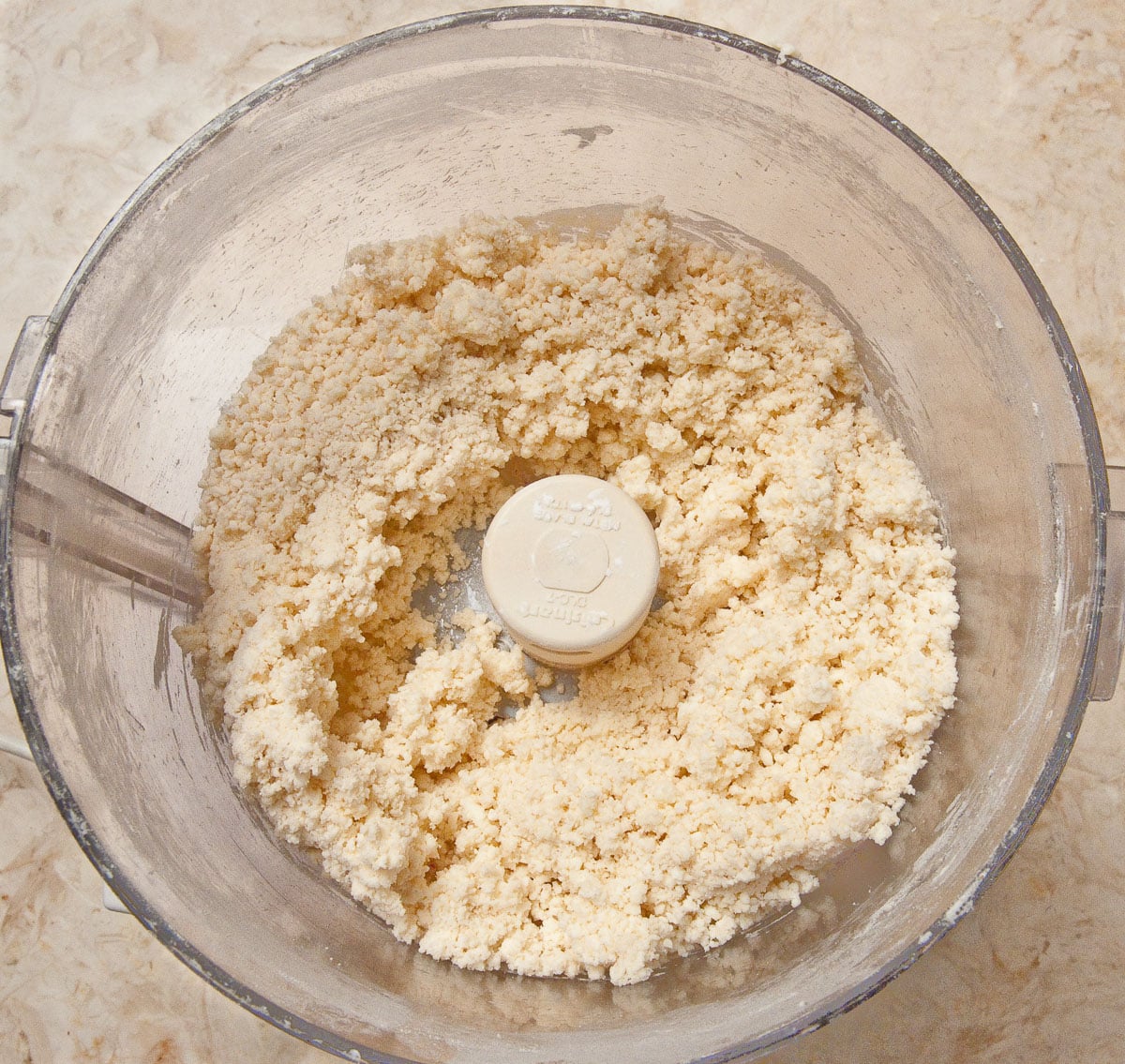
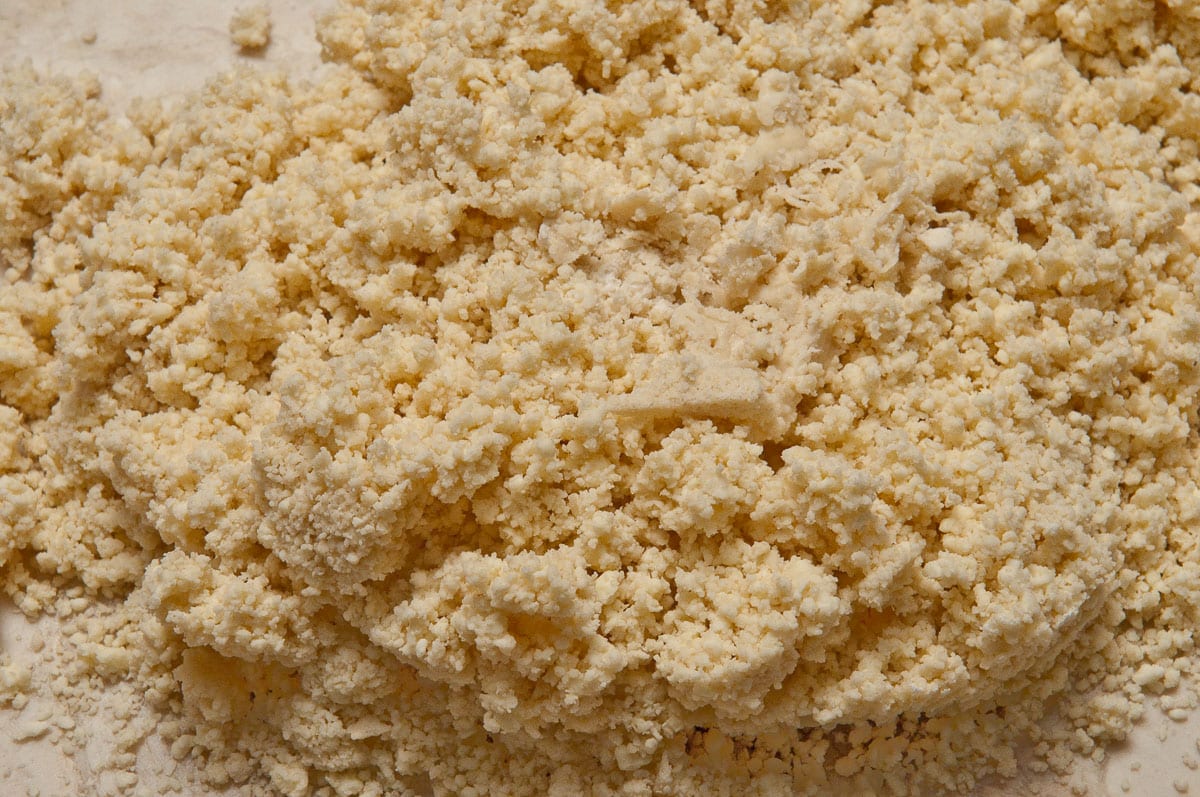
    The liquid ingredients are pulsed in until the ingredients clump together.

    Step 5 . Pulse the ingredients until they form clumps.

    The clumped up  dough is removed to a work surface.

    Step 6. Remove the clumped up dough to a work surface.

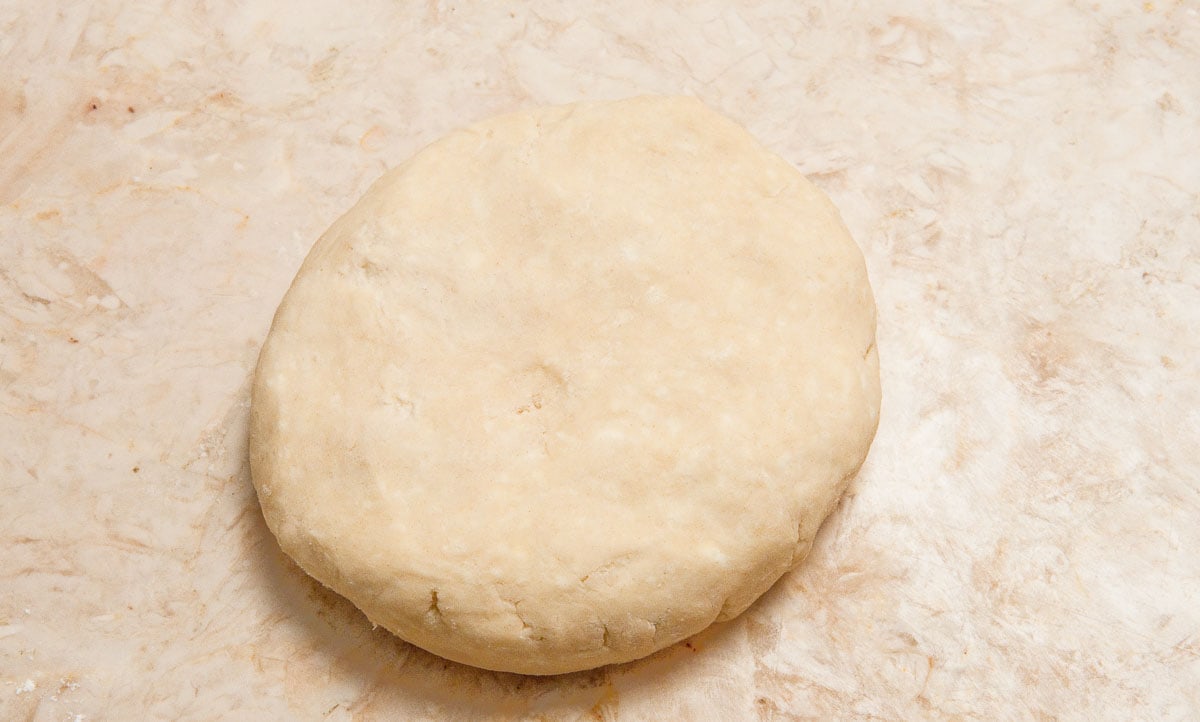
    The clumps of dough are pushed together and  shaped into a smooth flat round.

    Step 6. Shape the pastry into a smooth, flat round about 1" thick. Wrap in film and refrigerate for several hours or up to 3 days.

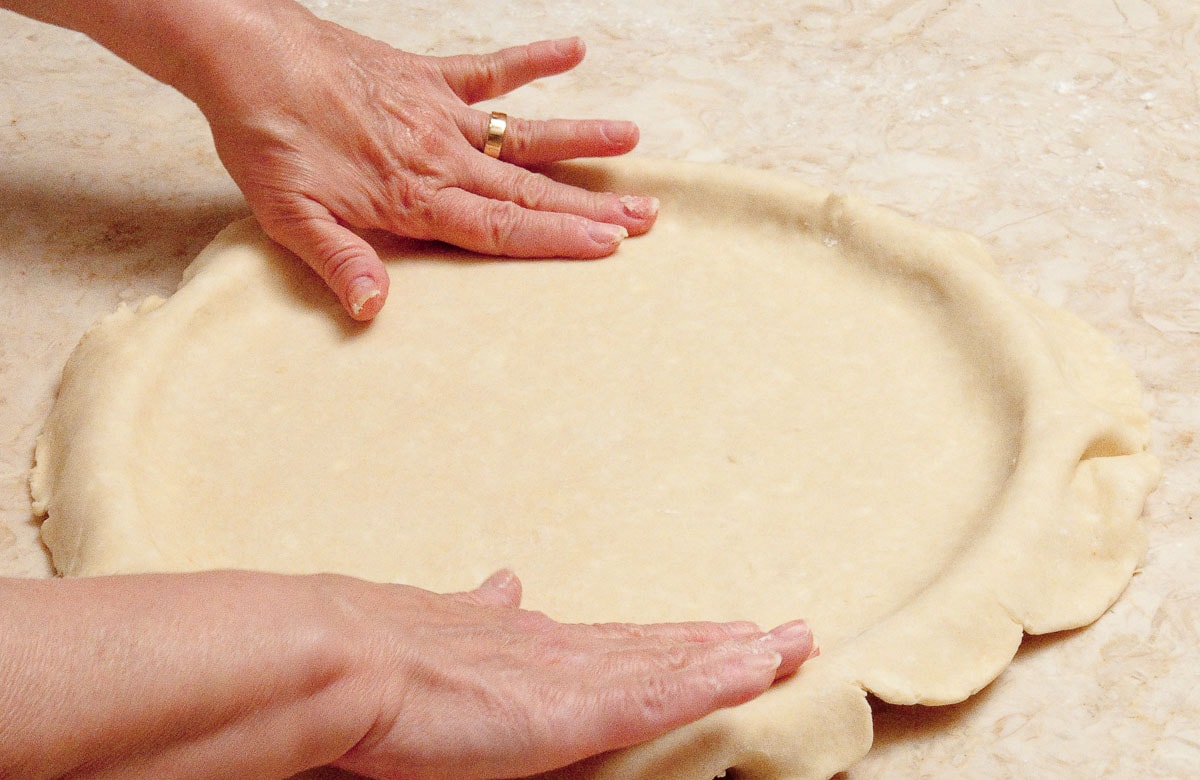
    The pastry has been rolled to a 14"circle and placed in the pan.

    Step 7. Roll the pastry to about a 14" round and place it in the pizza pan. Make sure the edges of the pastry are firmly intact with the pan and form a 90° angle at the edge.

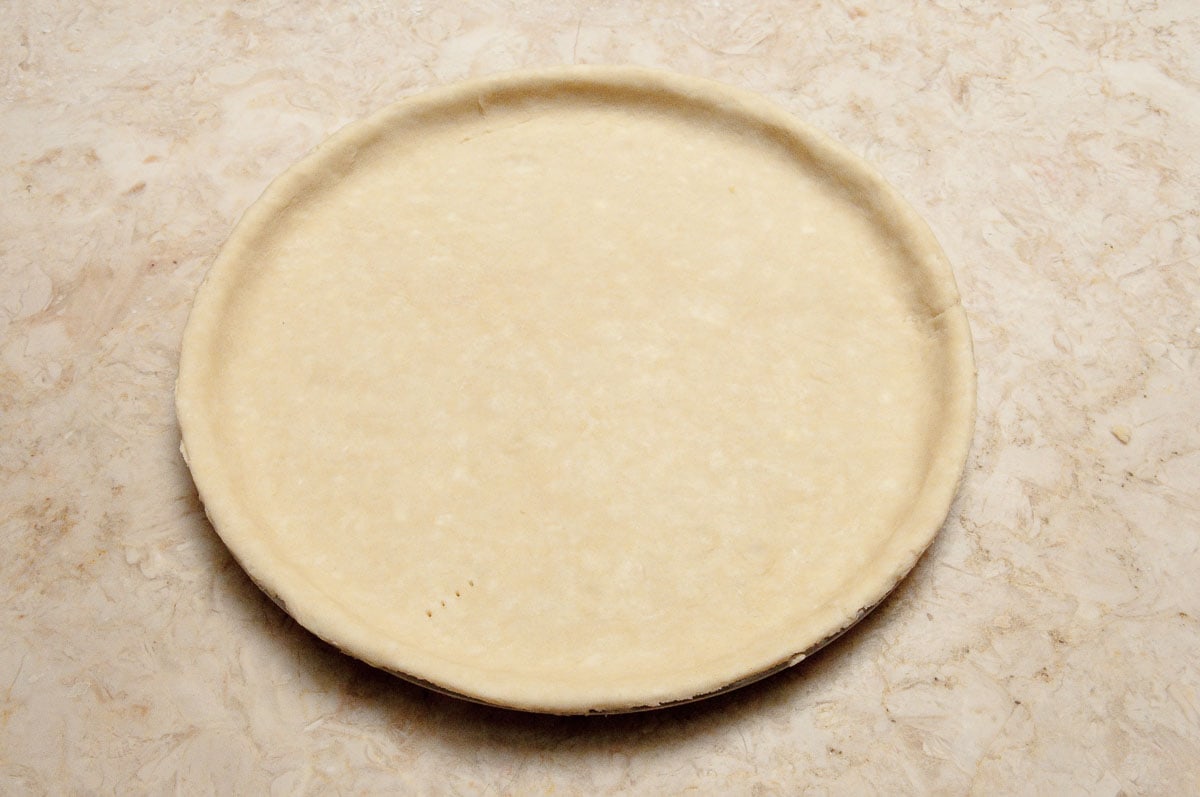
    The crust is completed in the pan.

    Step 8. Trim off any excess pastry.

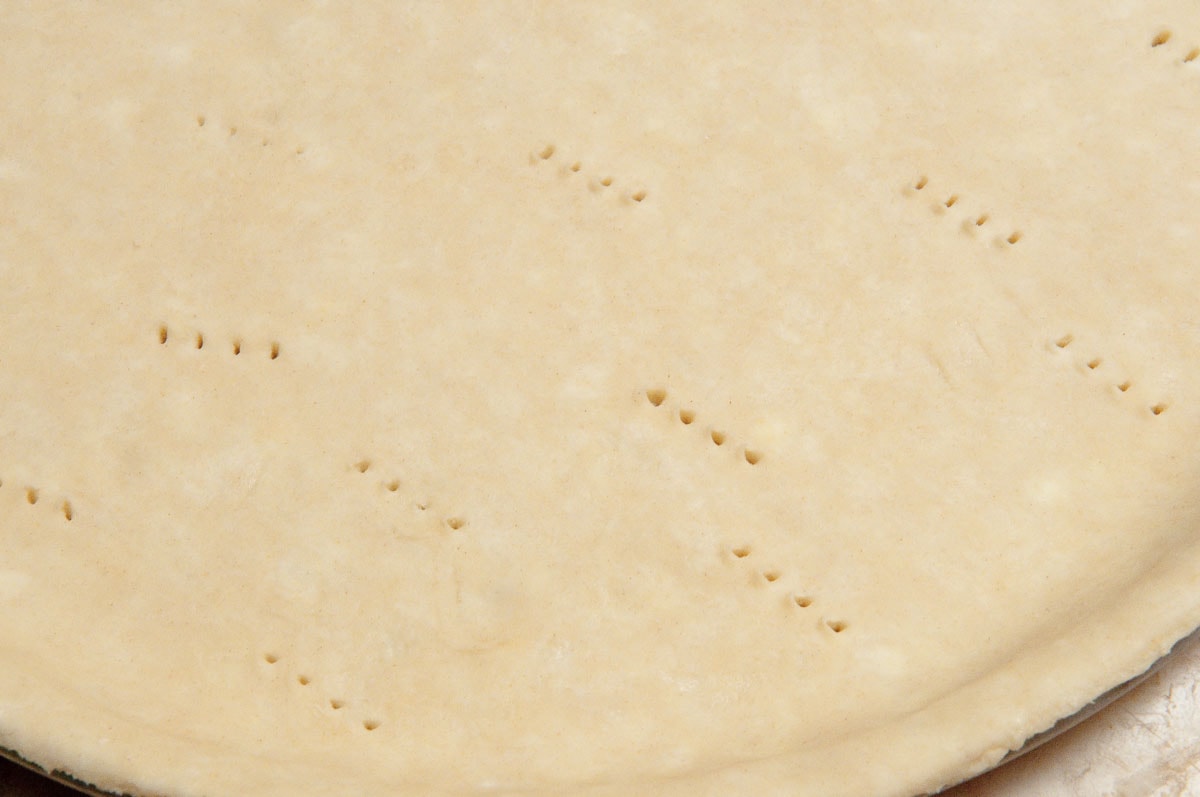
    The crust is pricked with a fork to prevent it from  bubbling up during baking.

    Step 9. The crust is pricked with a fork to prevent it from bubbling up when it bakes.

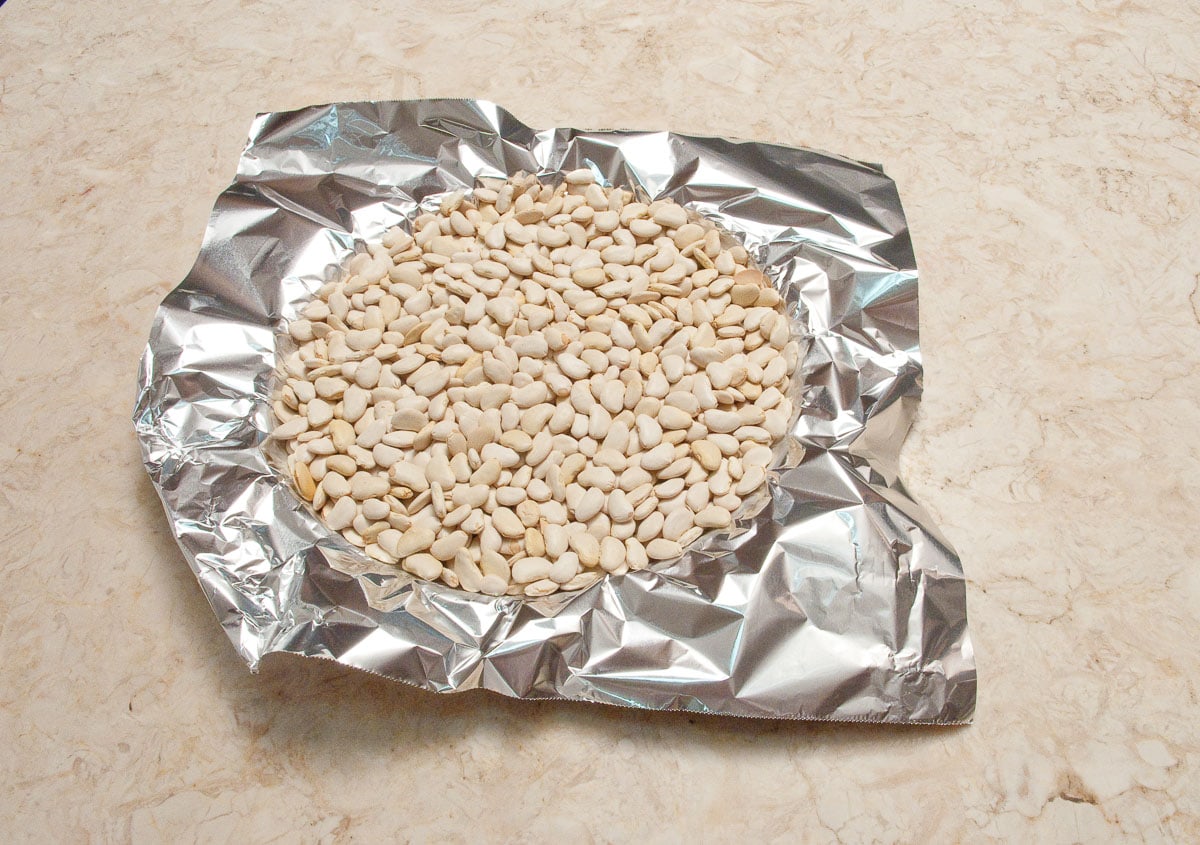
    A large sheet of foil lines the pastry crust and is filled with beans.

    Step 10. Spray a large piece of foil with a non-stick baking spray. Place it directly on top of the crust, making sure it fits into the edges. Fill with pie weights or beans.

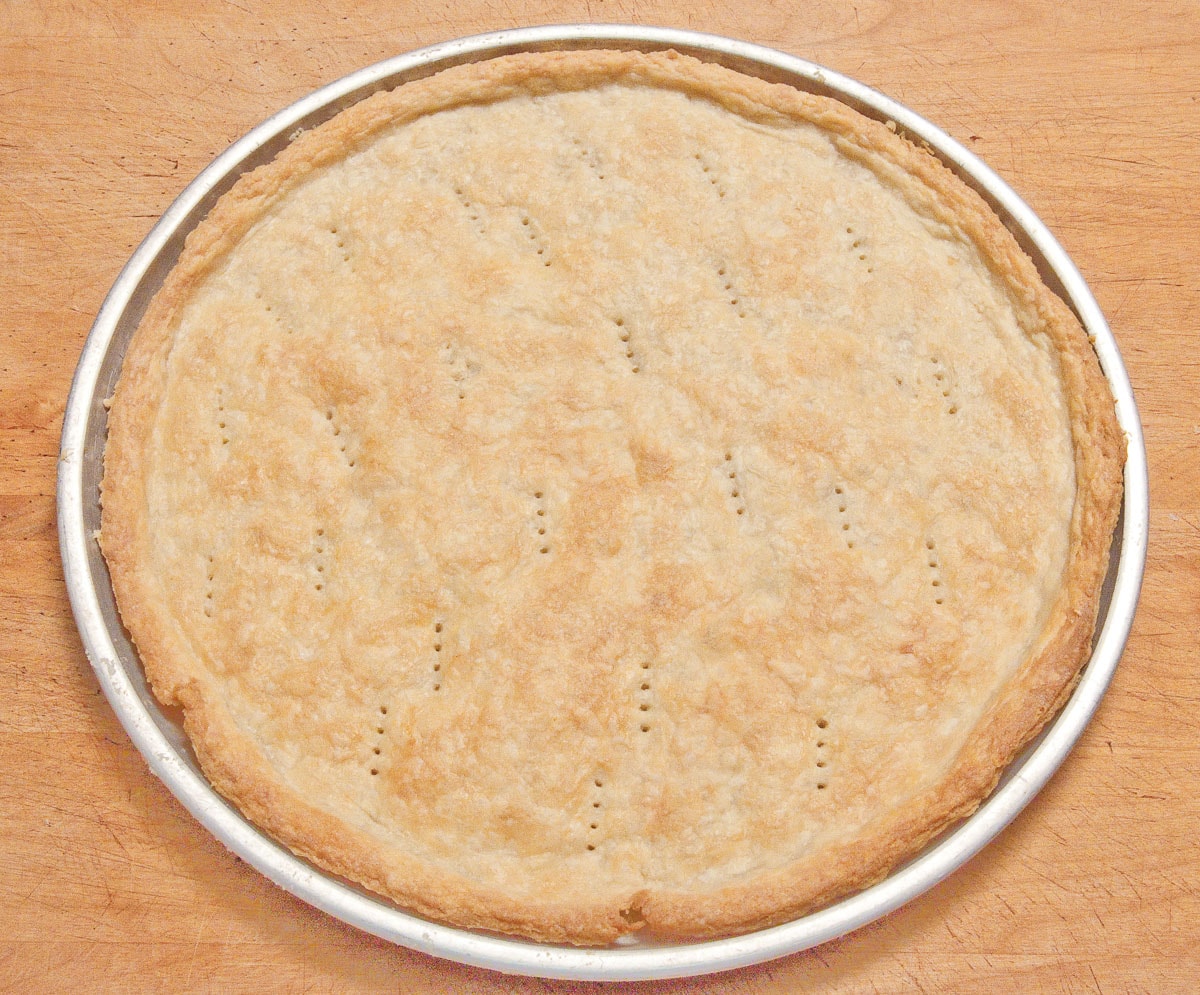
    The crust is baked completely.

    Step 11. Bake the crust partially, remove the beans and foil and bake until golden brown and baked through. Set aside.

    Poached Peaches

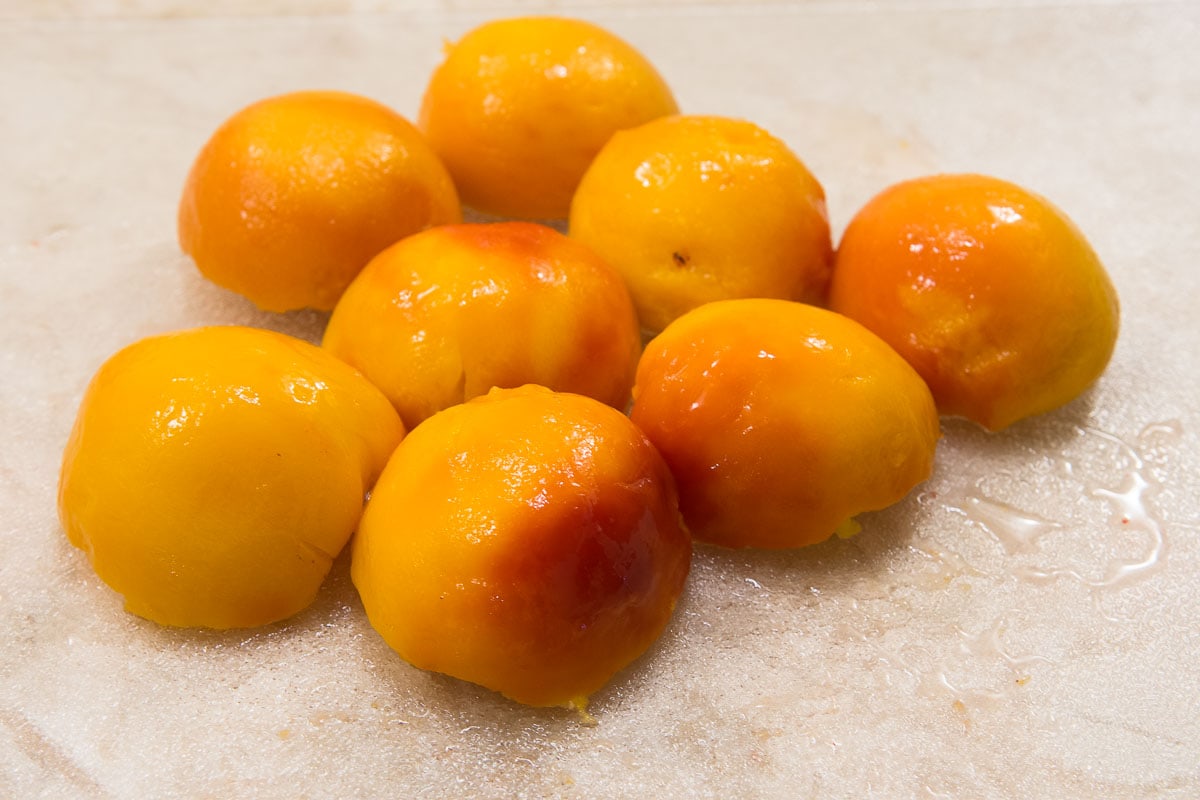
    Blanched peaches are cut in half on a cutting board.

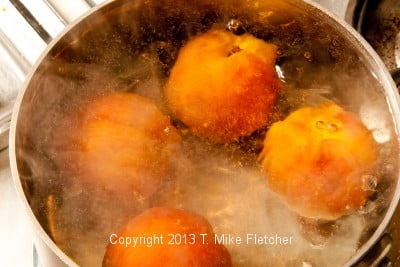
    Step 1. Blanch and peel the peaches then cut them in half.

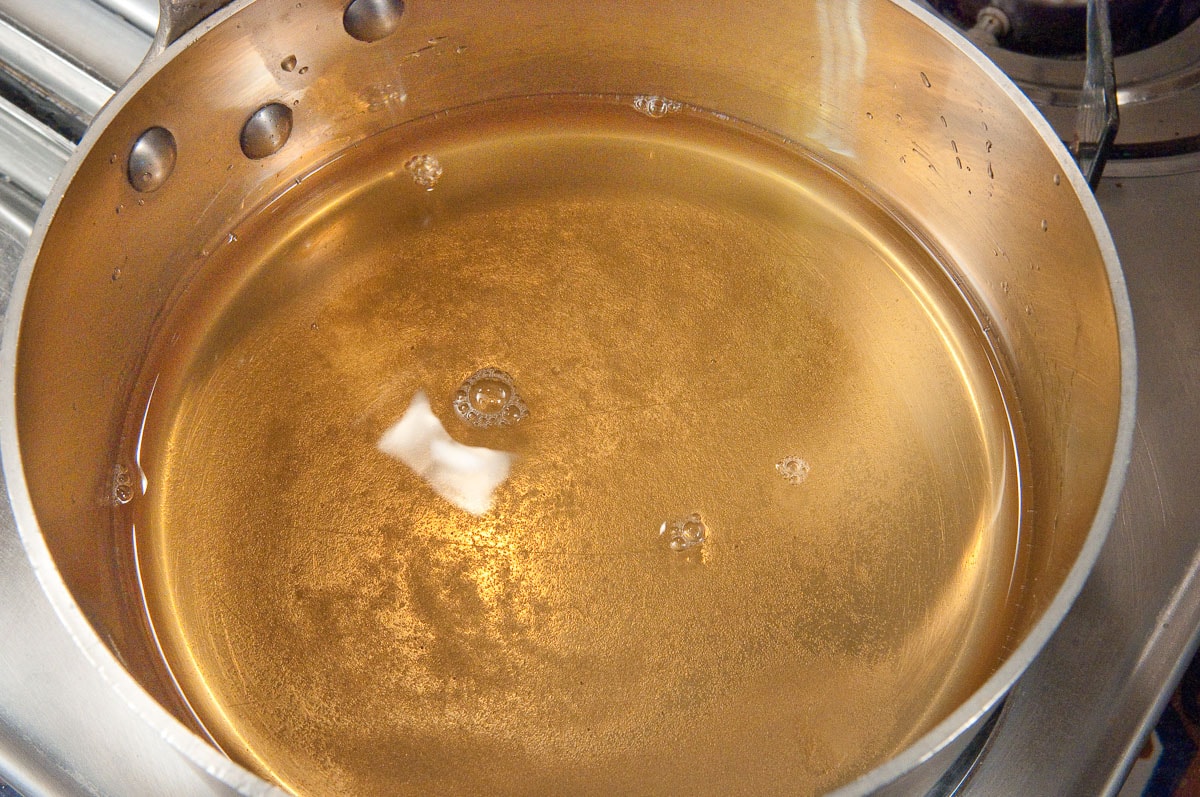
    All of the poaching ingredients except the peaches are in a large sauce pan.

    Step 2. Place all of the poaching ingredients in a large sauce pan.

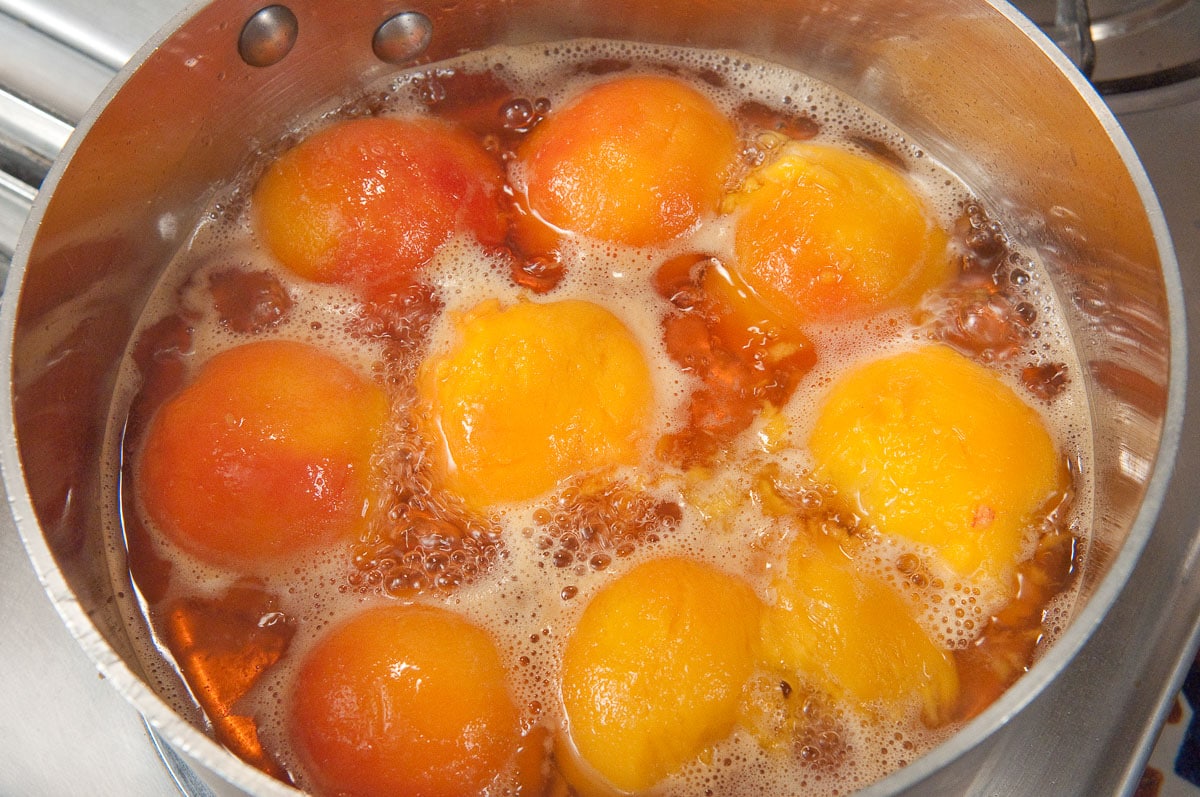
    The poaching syrup is brought to a rolling boil and the peaches are placed in it cut side down.

    Step 3. Bring the liquid to a rolling boil. Place the peaches, cut side down, reduce the heat and simmer for about 5 to 7 minutes.

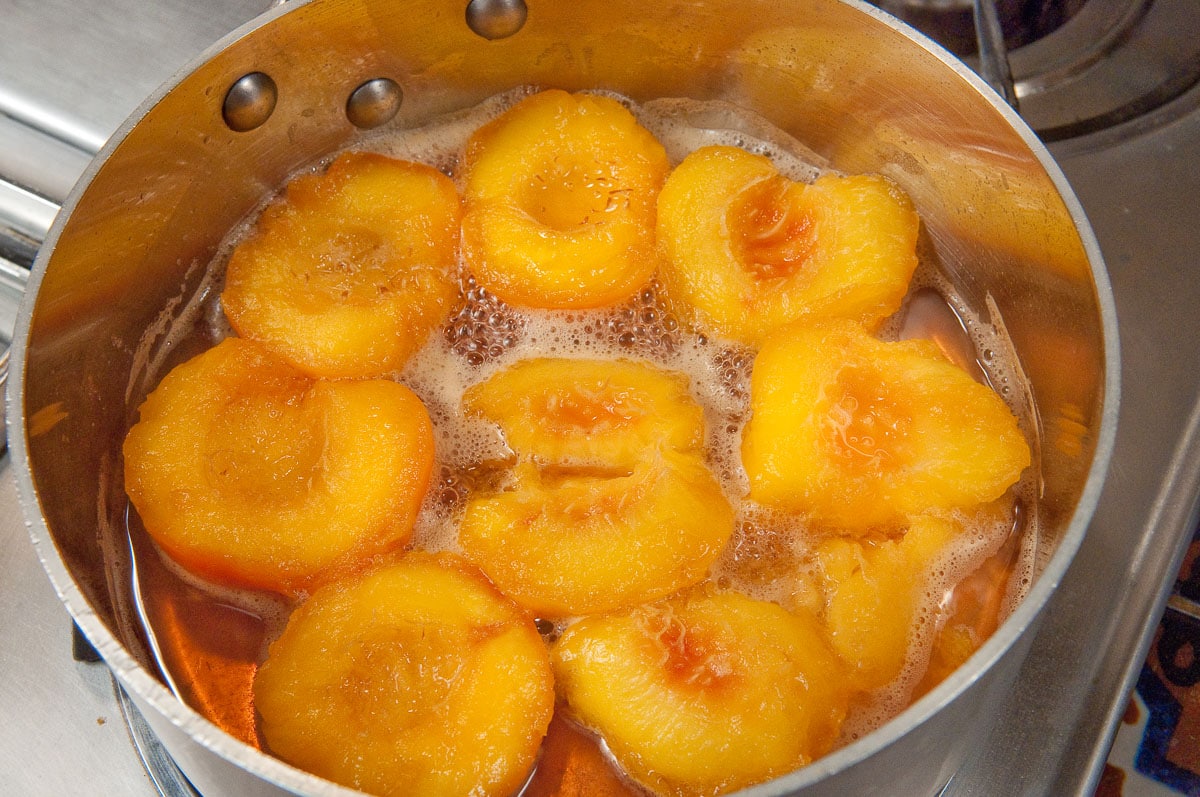
    The peaches are turned cut side up in the liquid.

    Step 4. Turn the peaches cut side up and poach for another 5 to 7 minutes. Do not over cook them. They should have softened somewhat but retain their shape.

    The peaches have been removed from the syrup.

    Step 5. Remove the peaches from the syrup.

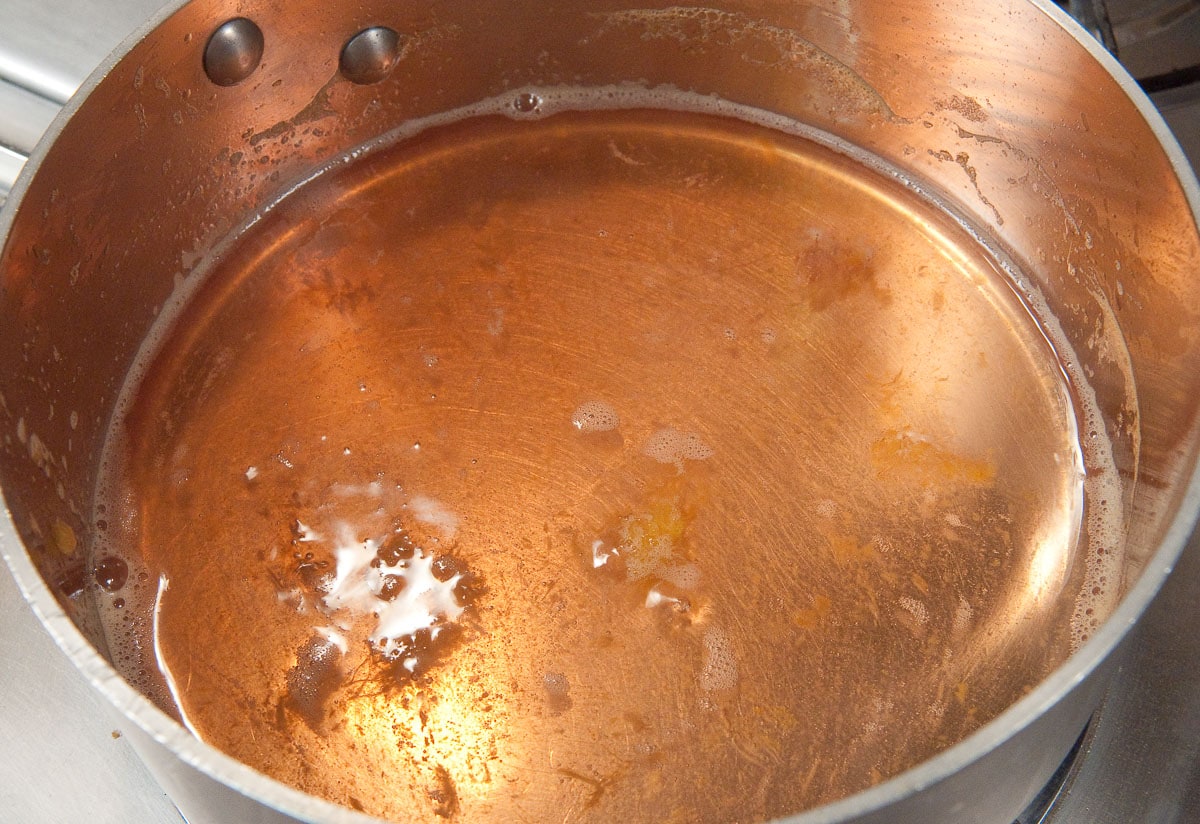
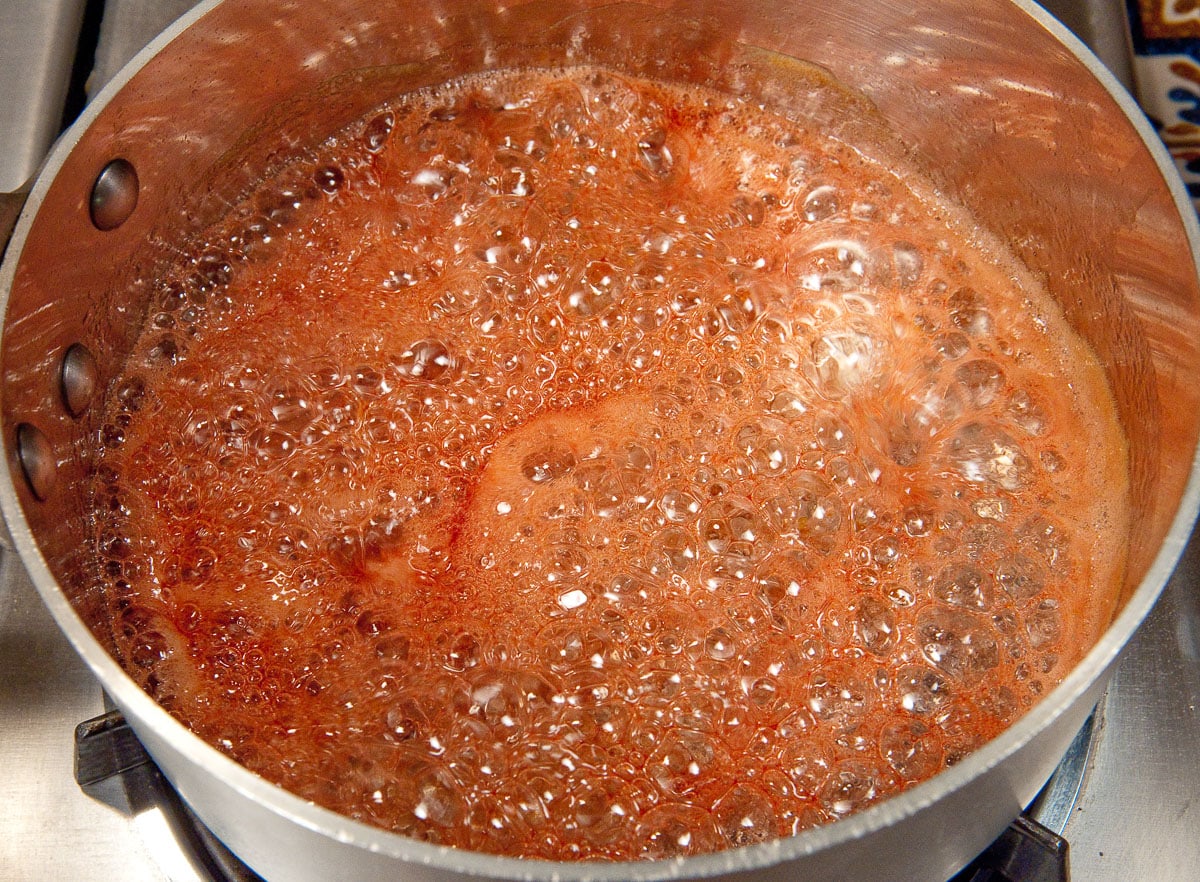
    The poaching syrup is brought to a hard boil to reduce it.

    Step 6. Bring the syrup to a hard boil to start reducing it.

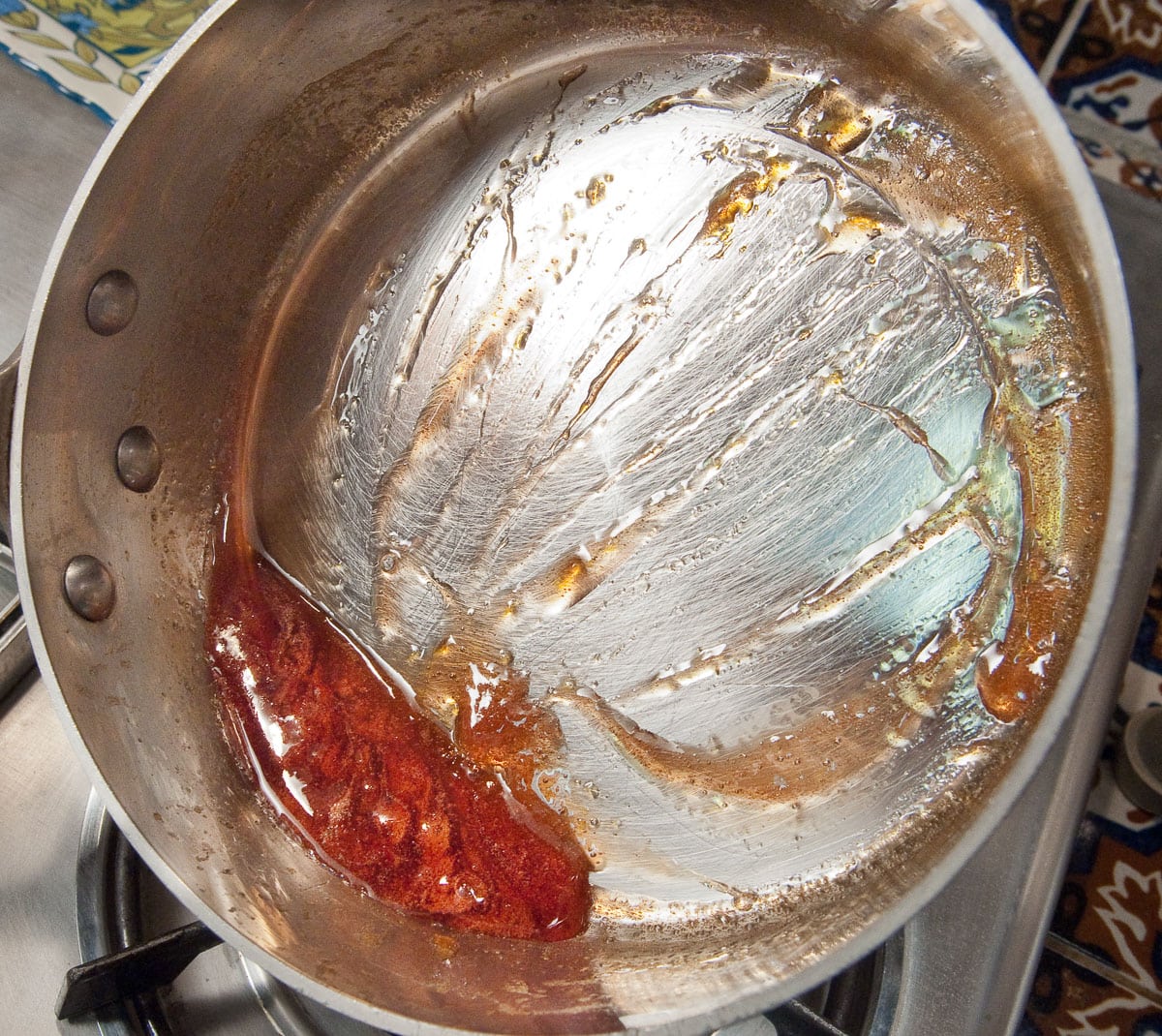
    The syrup has been reduced to a thick jelly like mixture.

    Step 7. Reduce the syrup until it is a thick concentrate but still spreadable. Set aside.

    Assembly

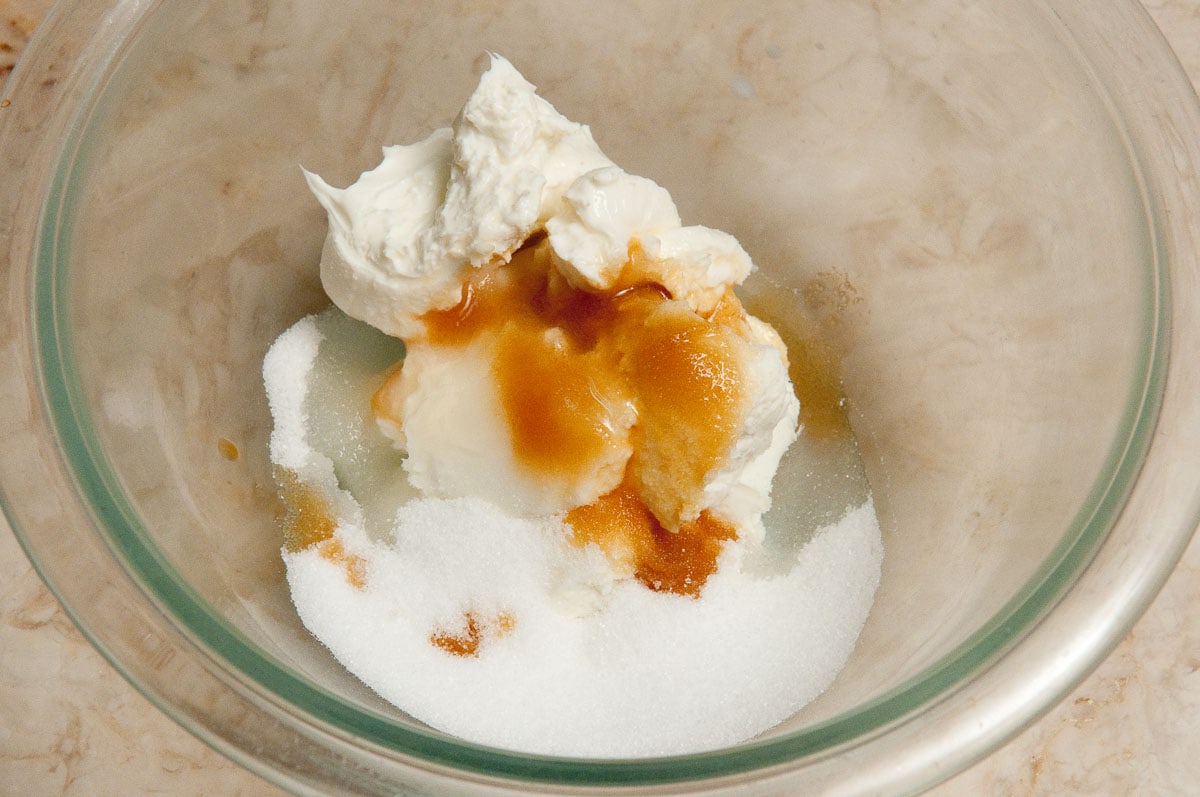
    The ingredients for the goat cheese filling are in a bowl.

    Step 1. Stir all the ingredients for the goat cheese filling together.

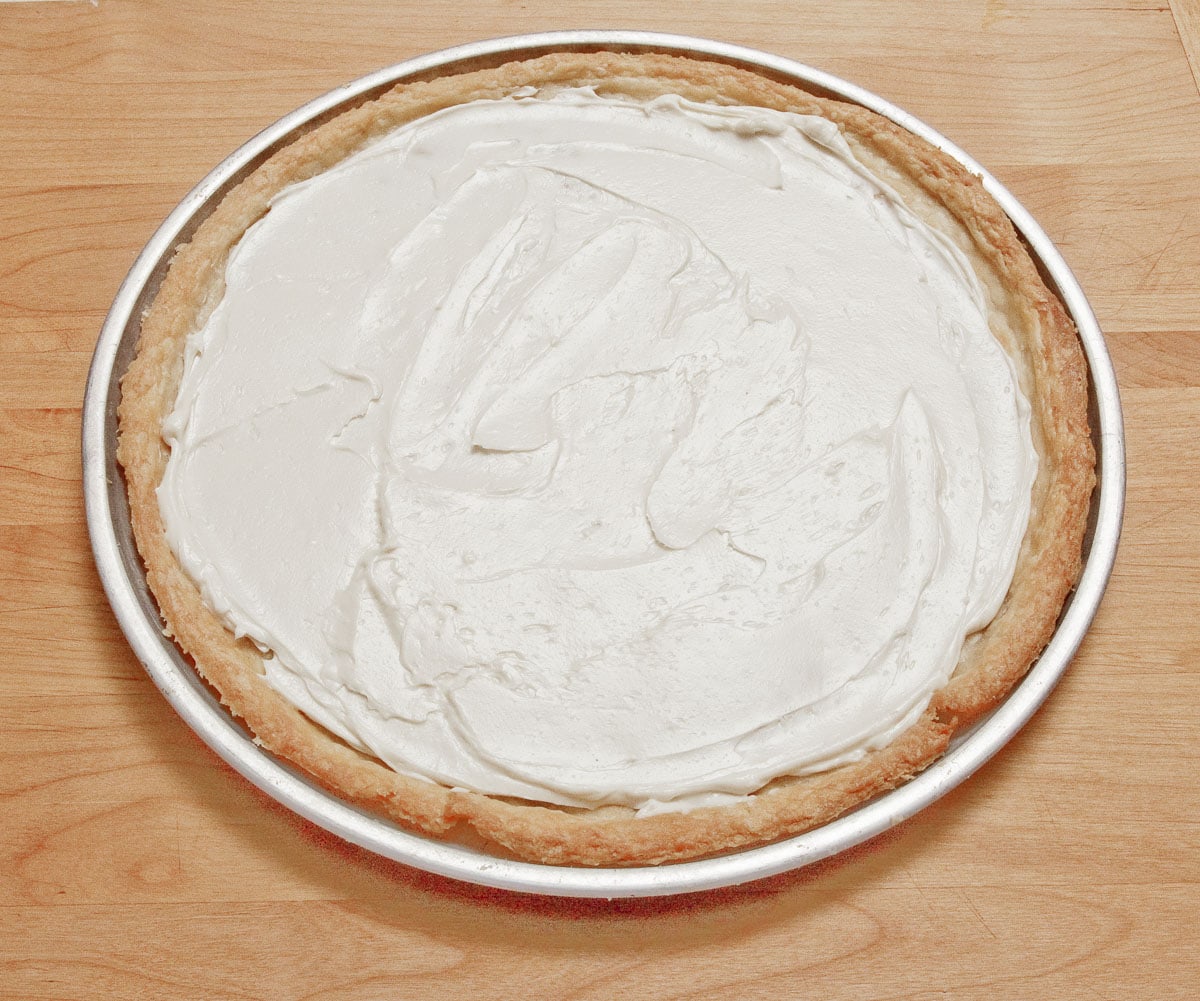
    The goat cheese filling has been spread over the crust.

    Step 2. Spread the filling over the crust.

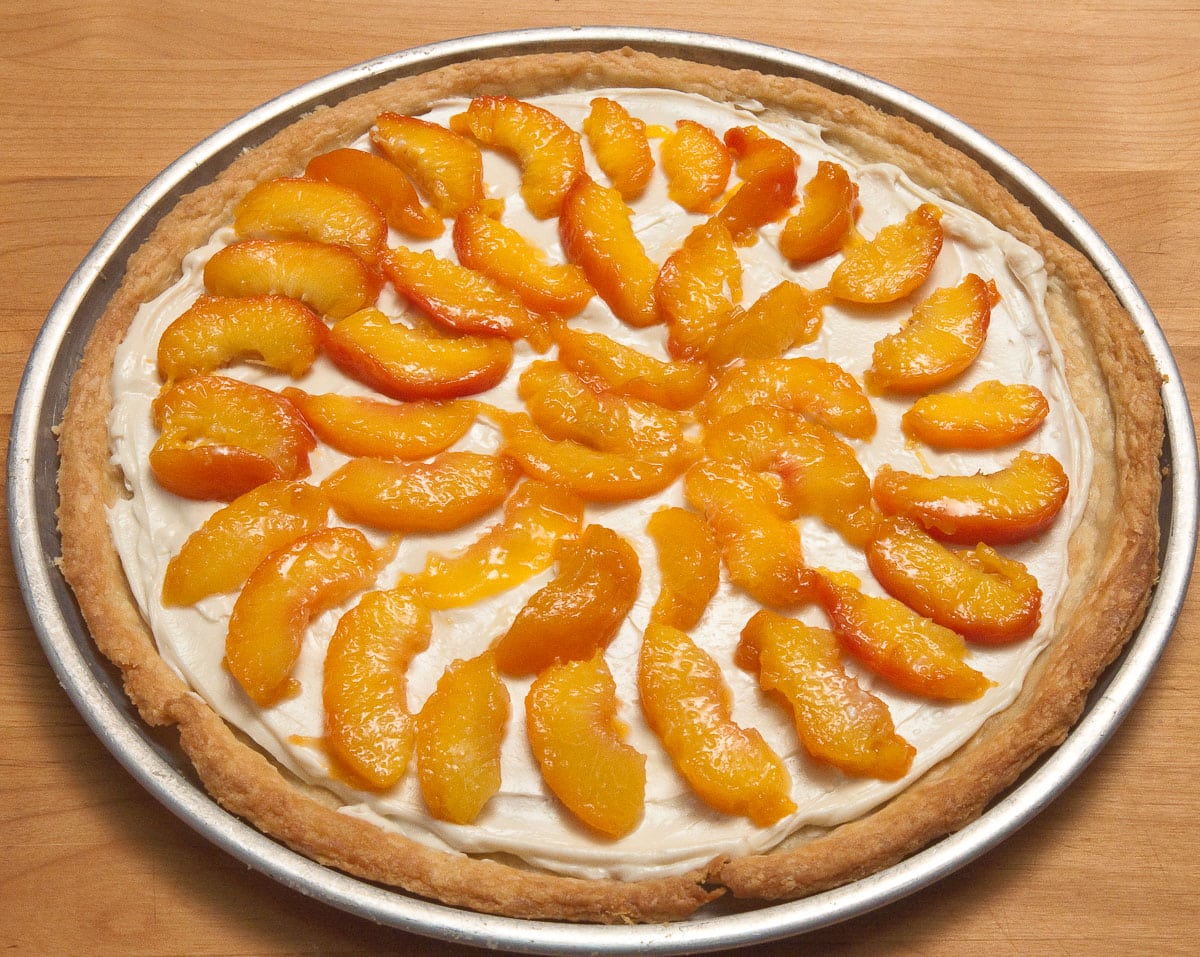
    The peaches are sliced and arranged over the filling.

    Step 3. Slice the peaches and arrange over the filling.

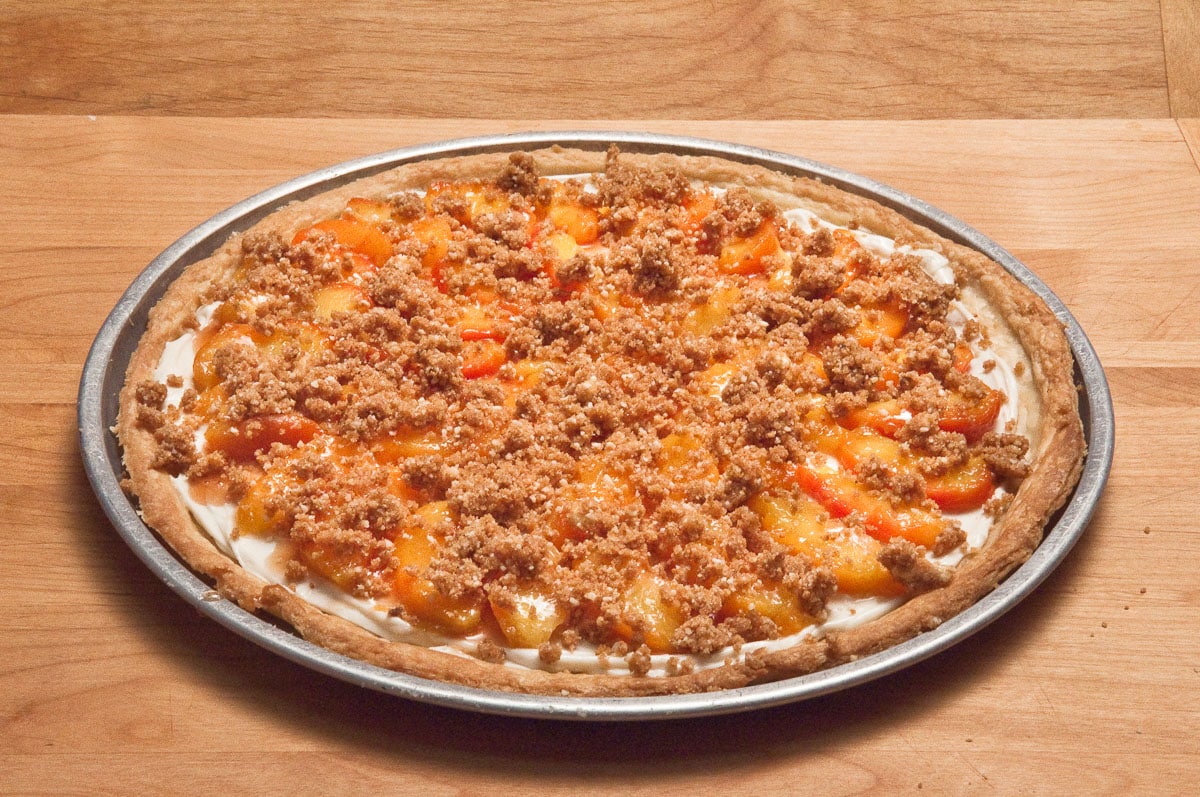
    The syrup has been drizzled over the peaches and the amaretti crumbs sprinkled on.

    Step 4. Drizzle the syrup over the peaches and sprinkle with the amaretti crumbs. Bake as directed.

    Recipe FAQs

    Can the liquor be omitted in the poaching syrup?

    Yes, but add a teaspoon of almond extract to make up for the flavor.

    What if I don't like goat cheese?

    Don't use it. Just add 5 more ounces of cream cheese.

    Is there a way to keep peaches from turning brown?

    Peaches, like apples and other fruits and vegetables oxidize when they are cut and hit the air. However, if you blanch, peel and cool them wrap them in plastic wrap tightly and refrigerated, they can be held for a day or so without turning brown.

    Expert Tips

    • When making the pâte brisée crust make sure the butter is cut and very cold so it doesn't become incorporated into the dough when processing.
    • The easiest way to peel the ripe peaches is to blanch them. The skins will slip right off.
    • Reducing the poaching liquid concentrates the flavors. If, after sitting, the concentrate is too thick to drizzle, add a bit of water at a time to get it to the correct consistency.
    • Each of the components can be made ahead so the pizza can be assembled several hours ahead of time. The pastry for the crust can be made up to 3 days ahead and held in the refrigerator or freeze for several months. Thaw in the refrigerator the day before using. Or it can be made, baked and then frozen on the pizza pan. The amaretti crumble, poached peach halves, the reduced sauce and goat cheese filling can be made up to 3 days before.
    Two slice of the peach pizza on a plate.

    More Summer Fruit Desserts

    • Slice of Blueberry Lemon Pizza
      Blueberry Lemon Pizza in a Brioche Crust
    • Sweet Cherry Calzone
      Sweet Cherry Calzones with Amaretti Crumble
    • finished-lemon-blueberry-cake.jpeg
      Lemon Blueberry Cake
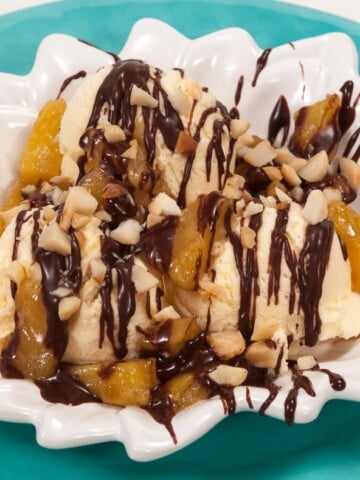
    • Quick Hawaiian Sundae
      Easy Hawaiian Sundae

    Love this Peach Pizza or any other recipe on my website, please leave a 🌟 star rating in the recipe card and let me know how it went the in 📝 comments below. I appreciate each of you being here!

    Peach Pizza for Everything Peaches

    Peach Pizza

    Helen S. Fletcher
    This eye-catching Peach Pizza with its juicy peaches coupled with a rich, buttery, French pâte brisée crust and tangy goat cheese filling, is the perfect dessert for everything from a bbq to a sit down dinner.
    No ratings yet
    Print Recipe Pin Recipe
    Prep Time 30 minutes mins
    Cook Time 1 hour hr
    Cooling Time 2 hours hrs
    Total Time 3 hours hrs 30 minutes mins
    Course Dessert
    Cuisine American
    Servings 10 servings
    Calories 417 kcal

    Equipment

    • 12" pizza pan
    Prevent your screen from going dark

    Ingredients

    Amaretti Crumble

    • 6 to 7 amaretti cookies (25 grams)
    • 3 tablespoons toasted almonds (25 grams)
    • 3 tablespoons packed brown sugar (35 grams)
    • ⅛ teaspoon salt
    • 1 ½ tablespoons butter, cold, cut in small pieces (22 grams

    Pâte Brisée Crust

    • 1 ¼ cups all-purpose flour (175 grams)
    • ½ cup cake flour (50 grams)
    • 1 teaspoon salt
    • ¾ cup butter, cold, cut into small pieces (1 ½ sticks or 170 grams)
    • 2 tablespoons beaten egg
    • 1 teaspoon lemon juice
    • 5 tablespoons ice cold water, possibly a bit more

    Poached Peaches

    • 4 medium size peaches (about 1 pound)
    • 1 cup dry white wine (I use a chardonay)
    • 2 tablespoons Amaretto
    • 3 tablespoons sugar (35 grams)
    • 1 tablespoons honey
    • 1 teaspoon Tahitian vanilla or any other vanilla
    • ¼ cup water

    Goat Cheese Filling

    • 5 ounces goats cheese, room temperature (⅔ cup)
    • 2 ounces cream cheese, room temperature (¼ cup)
    • ¼ cup granulated sugar
    • 1 teaspoon Tahitian vanilla or any other vanilla
    • 2 teaspoons milk

    Instructions
     

    Amaretti Crumble

    • Make this first and just wipe out the processor to make the pate brisee crust.
    • Place all but the butter in the bowl of the food processor. Process to break up cookies and almonds. Add the butter in a circle and pulse to form crumbs. Do not over process or a paste will form.
    • Remove to a bowl and refrigerate while preparing the rest of the recipe. Wipe out the bowl and continue for the crust. The crumble will last a week in the refrigerator or months in the freezer.

    Pâte Brisée Crust

    • Place the flours and salt in the processor bowl. Process to mix. Arrange the butter in a circle on top of the flours and process until the butter is cut in the size of peas.
    • Mix the egg, lemon juice and water together. Pour over the flour mixture. Pulse the mixture until large clumps form. Do not let it ball up.
    • If it doesn't clump together, add a bit more water. If the flour is very dry, add additional water by the teaspoon.
      Pour out onto a work surface. Push together to form a ball. Lightly flour the surface and knead the dough together a few times until it is smooth. Do not over knead.
    • Flatten to a 1" round. Wrap in plastic wrap and chill for 60 to 90 minutes in the refrigerator or about 30 minutes in the freezer. This may be made the day ahead and refrigerated or up to a month ahead and frozen. Thaw in the refrigerator overnight to use.

    Poached Peaches

    • Bring a large pot of water to a boil. Add the peaches and blanch them for 4 to 5 minutes until the skins easily slip off as in the photo of the ingredients.
    • As soon as they come from the hot water, run cold water over them and slip the skins off. Cut them in half to remove the seed and set the peaches aside. Place the remaining ingredients in a medium size saucepan and bring to a boil.
    • Add the peaches, cut side down, reduce the heat and simmer for about 5 to 7 minutes. Turn them over and poach for another 5 to 7 minutes. They should have softened somewhat but still retain their shape. Cool.
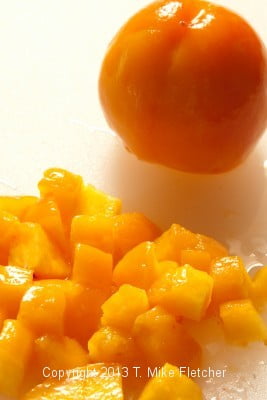
    • Slice about ⅓ inch thick. Bring the syrup to a rolling boil and reduce to a syrup. Set aside.

    Goat Cheese Filling

    • Place all in a bowl and mix together with a spoon or whisk. Set aside.

    Assembly

    • Spray a 12 inch pizza pan and set aside. Preheat the oven to 400°F.
    • Roll the pastry to about 13". Place in the pizza pan.
    • Make sure it is pushed into the side of the pan. Cut off the excess. Prick with a fork and freeze for about 10 to 15 minutes. Spray a large piece of foil and place it, sprayed side down, directly on the pastry.
    • Fill to the top with pie weights or beans to weight down the crust as it bakes. Bake for 20 minutes, remove the foil and beans by bringing up the 4 corners of the foil and bake another 8 to 10 minutes until golden brown and fully baked.
    • Cool to room temperature. Leave the oven on if baking immediately. Spread the goat cheese filling over the crust.
    • Arrange the peaches on top of the cheese. Drizzle with the reduced poaching syrup. (If the syrup is too thick, add water to obtain the right consistency.) Top with the amaretti crumble.
    • At this point you can refrigerate it for several hours or bake it immediately. If baking right away, bake for about 15 to 18 minutes just until everything is very warm. Cool and serve at room temperature. If baking from the refrigerator, add a few more minutes. Store any left overs in the refrigerator.

    Notes

    When making the pâte brisée crust make sure the butter is cut and very cold so it doesn't become incorporated into the dough when processing.
    The easiest way to peel the ripe peaches is to blanch them. The skins will slip right off. 
    Reducing the poaching liquid concentrates the flavors. If, after sitting, the concentrate is too thick to drizzle, add a bit of water at a time to get it to the correct consistency.
    Each of the components can be made ahead so the pizza can be assembled several hours ahead of time.
    The pastry for the crust can be made up to 3 days ahead and held in the refrigerator or freeze for several months. Thaw in the refrigerator the day before using. Or it can be made, baked and then frozen on the pizza pan.
    The amaretti crumble, poached peach halves, the reduced sauce and goat cheese filling can be made up to 3 days before.
    Assemble several hours ahead and refrigerate.  Heat up until warmed through.  Serve warm or at room temperature.
    Store Leftovers in the refrigerator.
     

    Nutrition

    Serving: 10servingsCalories: 417kcalCarbohydrates: 41gProtein: 7gFat: 23gSaturated Fat: 13gPolyunsaturated Fat: 1gMonounsaturated Fat: 6gTrans Fat: 1gCholesterol: 64mgSodium: 478mgPotassium: 165mgFiber: 2gSugar: 23gVitamin A: 914IUVitamin C: 3mgCalcium: 53mgIron: 2mg
    Tried this recipe?Mention @helensfletcher or tag #pastrieslikeapro!

    SaveSave

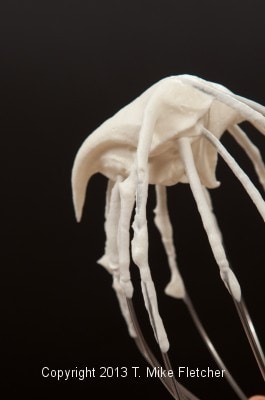
    Salvaging Over-Whipped Cream

    Modified: Jul 25, 2025 · Published: Aug 19, 2013 by Helen S Fletcher · This post may contain affiliate links · 8 Comments

    Soft Peak
    Soft Peak

    Cream is one of two by products of unhomogenized milk.  Allowed to sit, the cream rises to the top while the equivalant of skimmed milk goes to the bottom. On the market today are pasteurized and ultra pasteurized cream.  While the ultra pasteurized cream has a longer shelf life due to being heated to up to 300 degrees briefly, some feel it doesn't whip as well.  I don't think it tastes as fresh as pasteurized cream so we never used it.

    There are a good number of different types of cream today.  They are classified by the amount of milk fat in them.  In descending order they are:
    40%  or Heavy Cream - contains 40 percent milkfat
    Whipping Cream - 30 to 36  percent milkfat
    Light cream or coffee cream - between 18 ad 30 percent milk fat but is usually closer 20 percent.
    Half and Half is a mixture of ½ milk and ½ cream.  We did not stock it at the bakery.  We simply made it by combining  cream and milk when we needed it.

    Cream is highly perishable and needs to be refrigerated and used within the "use by" date.  We had a spell on several occasions at the bakery where the cream was spoiled before the date expired.  It became a practice for us to shake the cream, open it and smell it before we used it. Fortunately, our supplier always took back any cream that had turned.

    [Read more...]

    Quick Macadamia & White Chocolate Brownies

    Modified: Jul 25, 2025 · Published: Aug 15, 2013 by Helen S Fletcher · This post may contain affiliate links · 2 Comments

    Lightening Fast Brownies

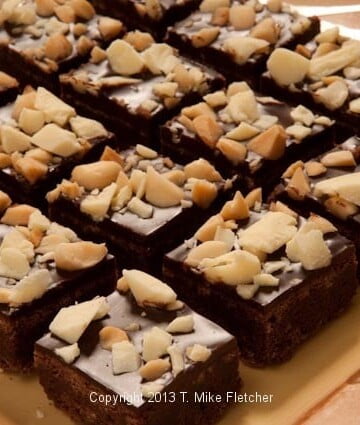
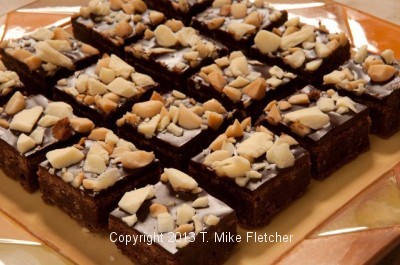
    Lightening Fast BrowniesHonestly, these Quick Macadamia and White Chocolate Brownies come under the category of embarrassingly easy to make.

    So easy in fact that when my grandson was five, he  made these.  He kept whisking and whisking and as we neared the end, he looked up and offered, “These are really hard, grandma.”  But whisk away he did and was very proud of the baked brownies. They are mighty good just by themselves.  Or, maybe with a scoop of ice cream and fudge sauce! [Read more...]
    Softened Butter

    Modified: Jul 25, 2025 · Published: Aug 1, 2013 by Helen S Fletcher · This post may contain affiliate links · 2 Comments

    Butter ,softening

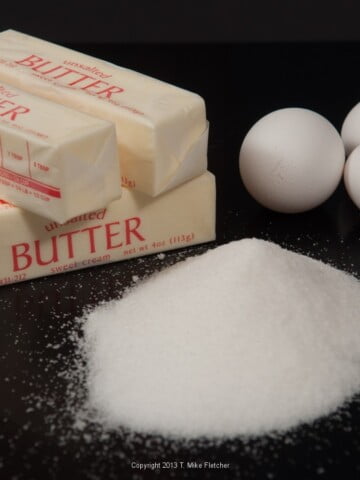
    There is nothing more frustrating than needing Softened Butter for a recipe only to forget to put it out in time. There is a correct temperature that will make creaming much easier and better resulting in a better batter.

    Softened Butter

    The term room temperature butter assumes that everyone's kitchen is the same temperature for softening butter. In my recipes I use the term softened butter since not all kitchens are the same. Think Alaska and Arizona.

    The Best Temperature of Butter for Creaming

    There have been discussions about the perfect temperature for softened butter with 65 degrees coming to the front of my mind.  I remember doing this and finding that the butter was too stiff and cold at this point and when creamed with sugar, the mixture was sandy.  I started testing the temperatures for creaming butter.  The result was 72°F to 75°F  creamed the best.  

    How to Softened Butter Quickly

    I can't tell you how many times I have wanted to bake only to realize the butter needed to be softened.  Unless I am melting butter, I am not a fan of the microwave to soften butter. It's easy to over do it, resulting in melted butter, having butter with a melted hole in the middle or having to change the position of the butter in the microwave every few seconds to make sure it doesn't  melt.

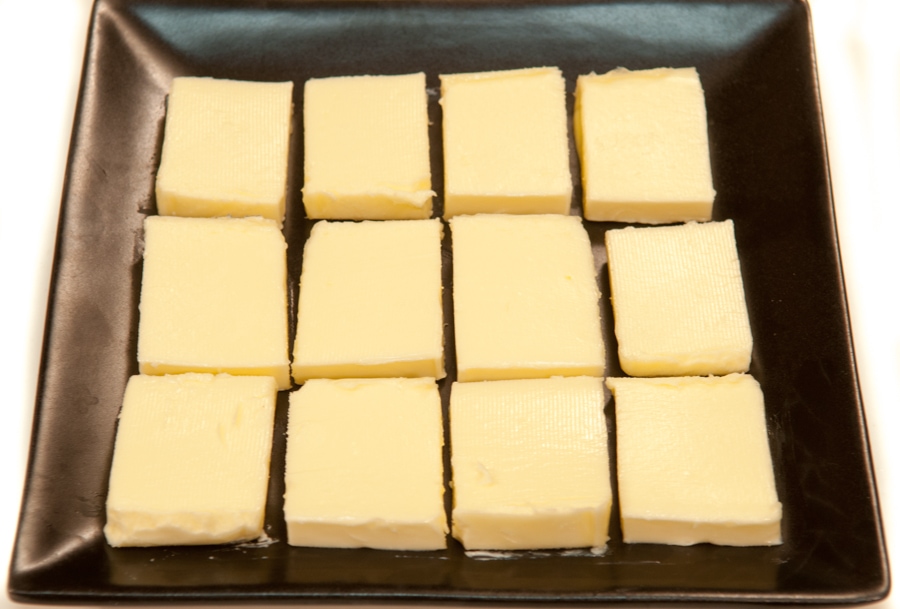
    Simply slice the butter thinly, put it on a plate and prep the rest of the ingredients for the recipe. By the time you need it, it should have softened enough. It works every time - unless your kitchen is really, really cold - like with no heat and it is zero outside.

    Drying a Fondant Covered Cake

    Modified: Jul 30, 2025 · Published: Jul 22, 2013 by Helen S Fletcher · This post may contain affiliate links · 2 Comments

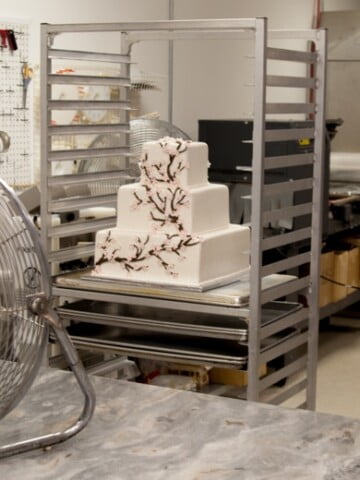
    Drying a Fondant Cake
    Drying-Fondant-Cake-1-of-1-518x299

    For all of you making wedding cakes and speciality cakes, I wanted to share a method of drying them out after they have been refrigerated.

    I was recently involved in a discussion about fondant cakes and one of the concerns was refrigerating the cake and how wet it could get.

    Why This Happened

    The only cake I had collapse in 23 years was a fondant cake before we started refrigerating them.  Because we used Italian buttercream to fill and finish the cakes (at least most of them), and because it is very light and melty in hot situations the fondant would sag if left at room temperature when the weather was warm.  But if put in the refrigerator overnight, it would condensate mightily and could be very wet and ugly upon standing at room temperature.

    The Fix

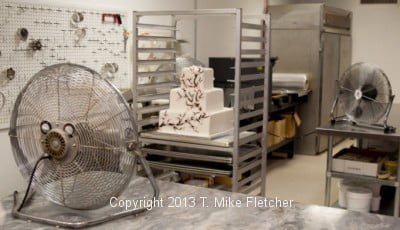
    So what I figured out was to refrigerate it overnight, then several hours before delivery we would put it in a heavily air conditioned room and surround it with heavy duty fans to dry them out before delivery.  It worked every time.  We had the best of both worlds.  A delicious buttercream under the fondant to insure a good tasting cake.  No water spots were ever visible and the cake looked as though we just covered it.  Here is a photo of what we did.

    Fans used to dry the fondant
    Fans used to dry the fondant

    Santa Fe Brownies

    Modified: Jul 30, 2013 · Published: Jul 18, 2013 by Helen S Fletcher · This post may contain affiliate links · 3 Comments

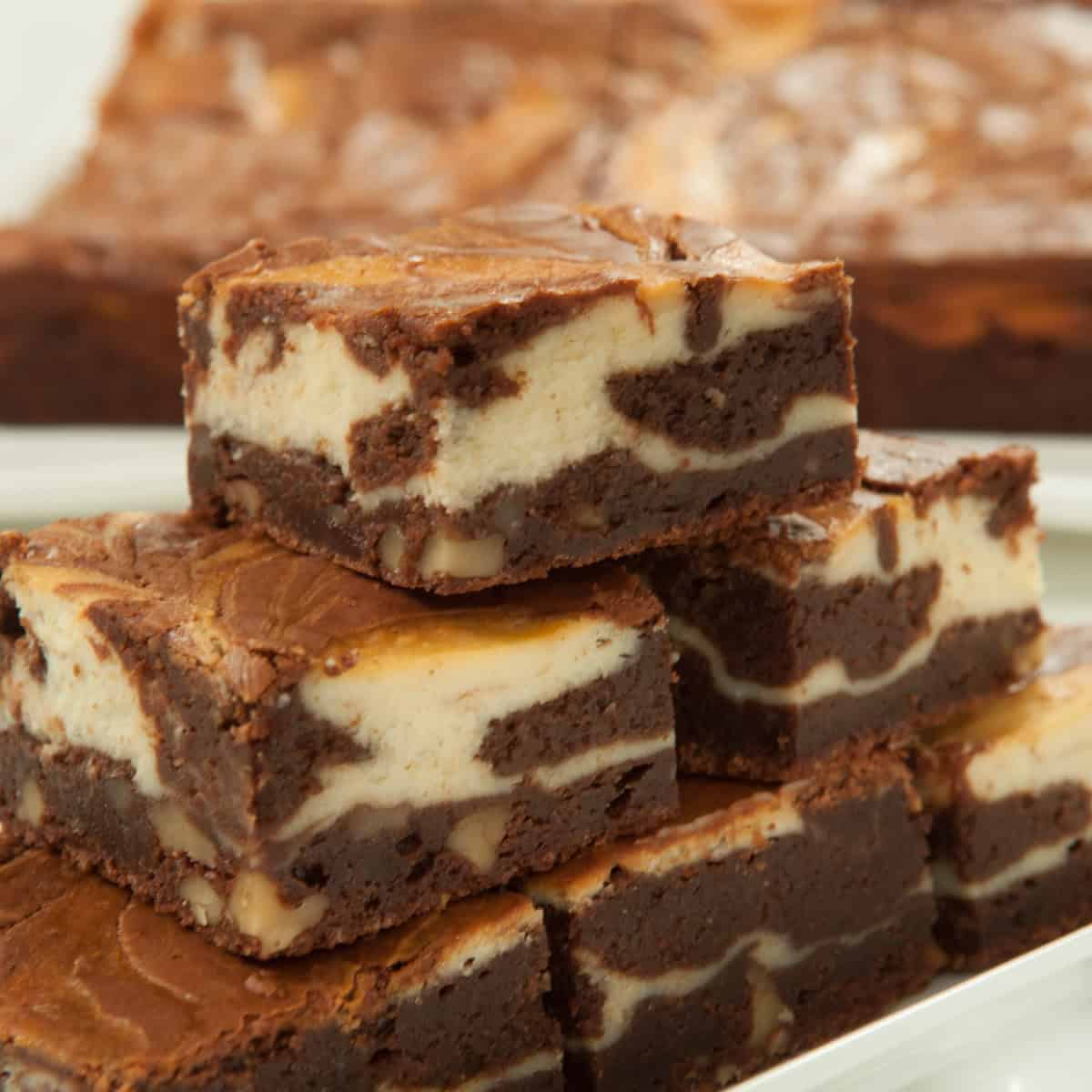
    Santa Fe Brownies

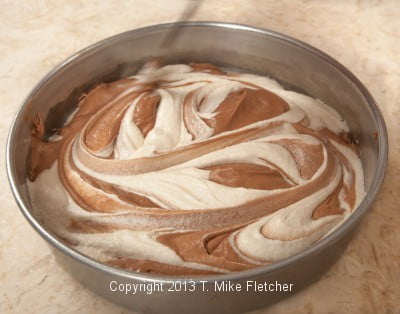
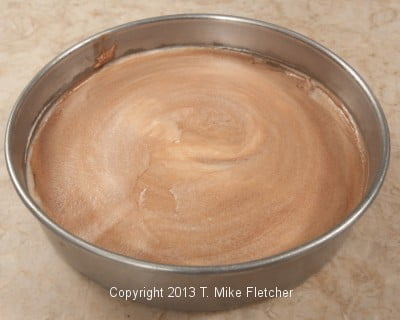
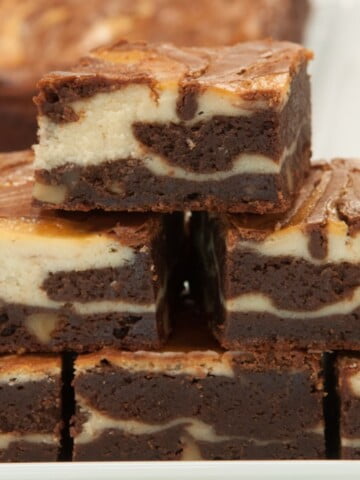
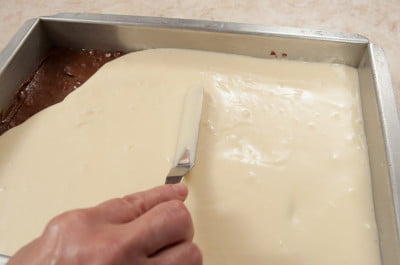
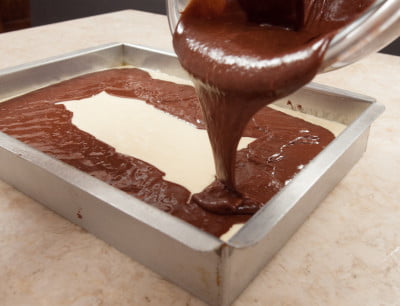
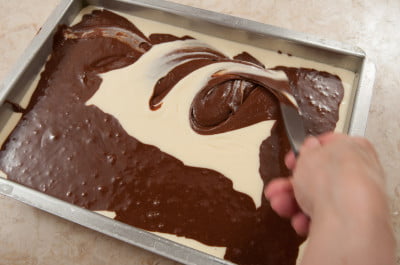
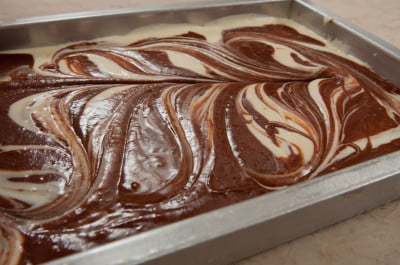
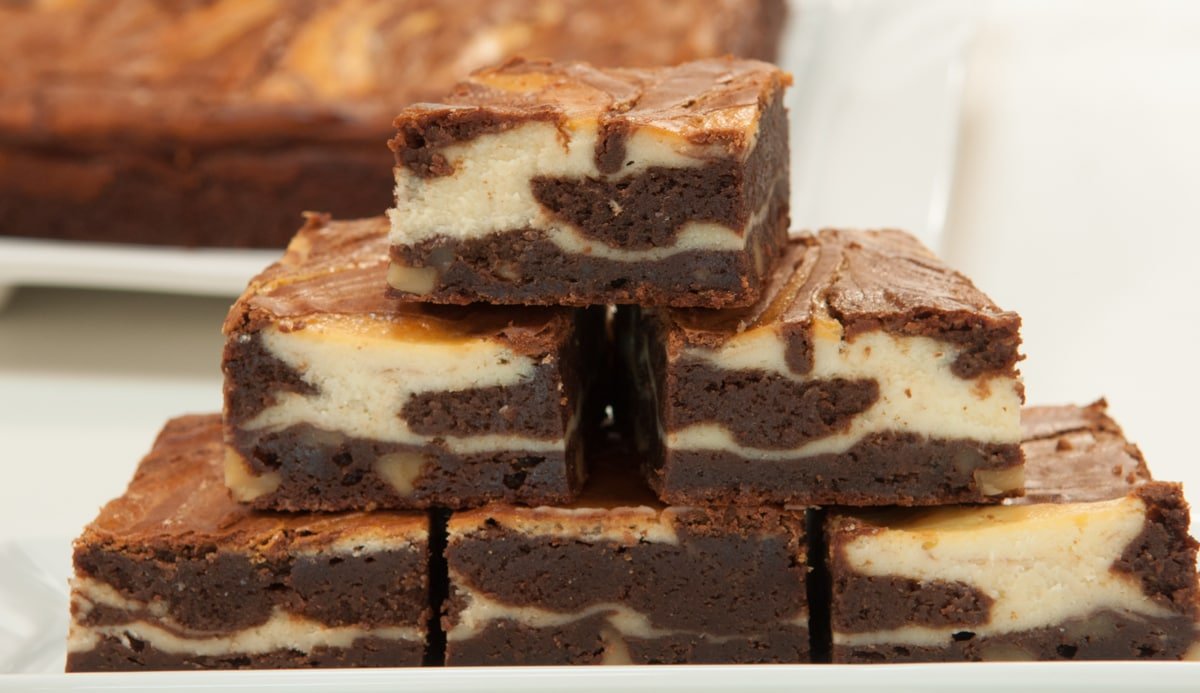
    Santa Fe Brownies come from Maida Heatter's "Best Dessert Book Ever" and I have to say they are one of the finest brownies I have ever made.  The original recipe came from the Plaza Bakery in Santa Fe New Mexico. As far as I can see, they don't make this anymore.

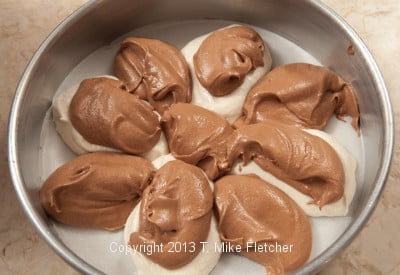
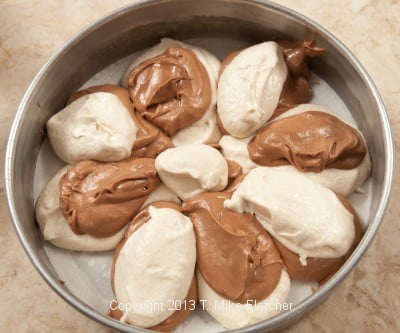
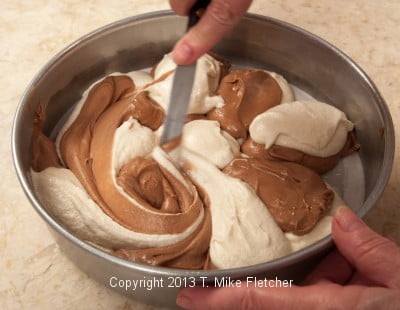
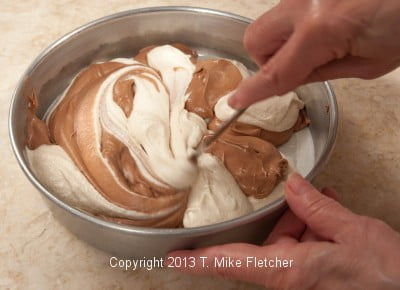
    A few changes were made to the original recipe, and we swirl ours while Maida layered hers.

    I can't tell you how many Santa Fe Brownies we sold from the bakery.  We could only make 12 pans at a time and that took about 2 hours or more depending upon who was doing them.  We used to see if we could beat the best time.  Not only that, but we had so many orders when we took on a large grocery chain that we often had to make them twice in a day.  I remember one day Demarco Howard, my best baker, told me after completing the second 12 brownies, "Boy you sure know how to make a person quit."  But back he was the following morning for the next 24.

    [Read more...]
    The Making of Vanilla

    Modified: Aug 24, 2025 · Published: Jul 15, 2013 by Helen S Fletcher · This post may contain affiliate links · 5 Comments

    Vanilla beans resting on the bottle from which they came.
    Vanilla beans resting on the bottle from which they came.

    Vanilla was originally used as a medicine, perfume and in sacred rituals of a long ago tribe of  Totonac Indians in Mexico. It only came into its own as a flavoring in 1602.  After the Aztec’s conquered the Totonac Indians, they controlled  the wild orchid that had been so jealously guarded by the conquered Indians where it grew on the edge of the forest.

    Legend tells us that when Hernando Cortez came to Central America in the 16th century. He was given the drink chocolatl by Montezuma, the Aztec emperor, which consisted of ground cocoa and vanilla beans.  Cortez took both back to Spain where they were to be enjoyed only by the rich and famous for many years to come.  The Spaniards set up factories to manufacture vanilla flavored chocolate.  Not chocolate as we know it, but a start.

    How Vanilla Grows

    The Vanilla planifolia flower is an orchid that produces a fruit in the form of the vanilla bean.  Of the 35,000 species of orchids, this is the only one that produces an edible fruit. It grows on a vine that winds itself around a tree or pole – anything to support it. It will grow as tall as the tree or the support.  

    The vines are only allowed to grow to where they can be reached.  By folding them down they produce more flowers making the plants more productive.  You can imagine the frenzy as the orchids begin to bloom and as many as possible must by hand pollinated.  Is it any wonder the beans are so expensive? 

    After a few weeks, a long green bean, measuring anywhere from 6 to 12 inches, will start to grow. It is left for 9 months to develop its flavor.  When the bean is finally harvested, it has no fragrance or flavor until it is dried.  After the beans are picked, they must be dried to prevent them from fermenting making them useless. 

    Where The Beans are Grown

    Until the middle of the 19th century, vanilla beans were only grown in Mexico.  The problem with growing them in other tropical areas was pollination.  There exists in Mexico a unique bee, the Melipone that pollinates the orchid so it can produce the vanilla bean.  The orchid contains both male (anther) and female organ (stigma) but they are separated by a membrane and only this special bee was able to pollinate them naturally which is why most of the vanilla came from Central America for centuries. 

    In order for the beans to be grown in other areas another means of pollination had to be found.  To complicate matters, the flower only blooms for a few hours.  After repeated attempts, in 1841 a Bourbon planter Bellier-Beaumont found two flowers growing on a single vine.  One of his slaves, Edmond, discovered a method of hand pollination by folding back the membrane with a bamboo shoot so the flower can self-pollinate.  This method is used to this day.

    Although native to Mexico, there are 3 other areas that produce the majority of vanilla sold on the open market.  Madagascar Bourbon vanilla comes from the Indian Ocean Islands of Madagascar, Comoros, and Reunion, formerly the lle Bourbon producing over 60% of the vanilla sold and is known for its high quality, taste and consistency.  These are the thinnest beans grown.

    The second largest producer is Indonesia, which is not considered as sweet and has been considered less desirable.  However, recently they have adopted some of the practices of the finest vanilla producers with an eye towards upgrading their product.

    About 10 percent sold comes from Mexico and Tahiti.  Mexican vanilla production has suffered as other crops have been planted where vanilla plants previously grew. 

    Confusion exists about authentic Mexican vanilla as tourist markets around Mexico sometimes sell a product made from Tonka beans that smells and tastes like vanilla but contain coumarin which is banned in Europe and the FDA in the United States.  Coumarin has been shown to cause liver and/or kidney damage in lab animals.  It is difficult to tell if the product is authentic as some bottles sold are marked coumarin free but have been found not to be.

    Tahitian Vanilla

    Tahitian Vanilla is a mutant variety of Vanilla planifolia and is considered a separate species, Vanilla Tahitensis.  They are usually shorter, more plump and boast a quite different flavor from the Bourbon and Mexican species.  They are the most expensive beans and are favored by many professionals for their floral and fruity notes.

    Preparing the Beans for Use

    The beans can be blanched in hot water or heated in an oven after which the beans are dried in the sun for months where they shrivel up and turn black as we know them.  After the initial drying, they are placed in boxes to sweat out 80% of their moisture.  At this point they take on the characteristics of the vanilla bean.  The best beans are covered with a white crystallization which is natural vanillan.  This entire process takes over a year.

    If the weather is bad and the crop is small, the price of the beans becomes more expensive as there are fewer, resulting in higher prices for every type of vanilla.  Typhoons struck many of the islands producing vanilla beans and wiped out much of the crops in 1970 and 2000.

    Grading Vanilla

    Vanilla is graded by its appearance:

    Fine – black beans frosted with vanillan, very fragrant.  8 to 12 inches long.

    Woody – dull surface appearance with no vanillan.  5 to 8 inches long.

    Vanillon – partly opened beans are brown and soft, thick and flat with no vanillin or very little.  Slightly bitter smell.  4 to 5 inches long.

    Vanilla Products

    There are a number of vanilla products.  Vanilla extract is made by chopping the beans and steeping them in an ethyl alcohol and water solution.  Some companies add sugar at this stage. 

    Pure Vanilla

    The FDA requires pure vanilla extract to contain 13.35 ounces of beans to one gallon of liquid and contain 35% alcohol.  This is referred to as one fold in the industry, which is single strength and available to consumers. 

    Double and triple fold vanillas called essences are very strong and are available to professionals.  They use twice or three times as many beans to the same amount of liquid, depending upon the fold.

    Most companies immerse the beans in heated liquid to speed the process. The extract is best added to mixtures that are not being heated as some of the flavor can evaporate.  Add to the liquid after it is off the heat and cooled for a few minutes.

    Whole Beans

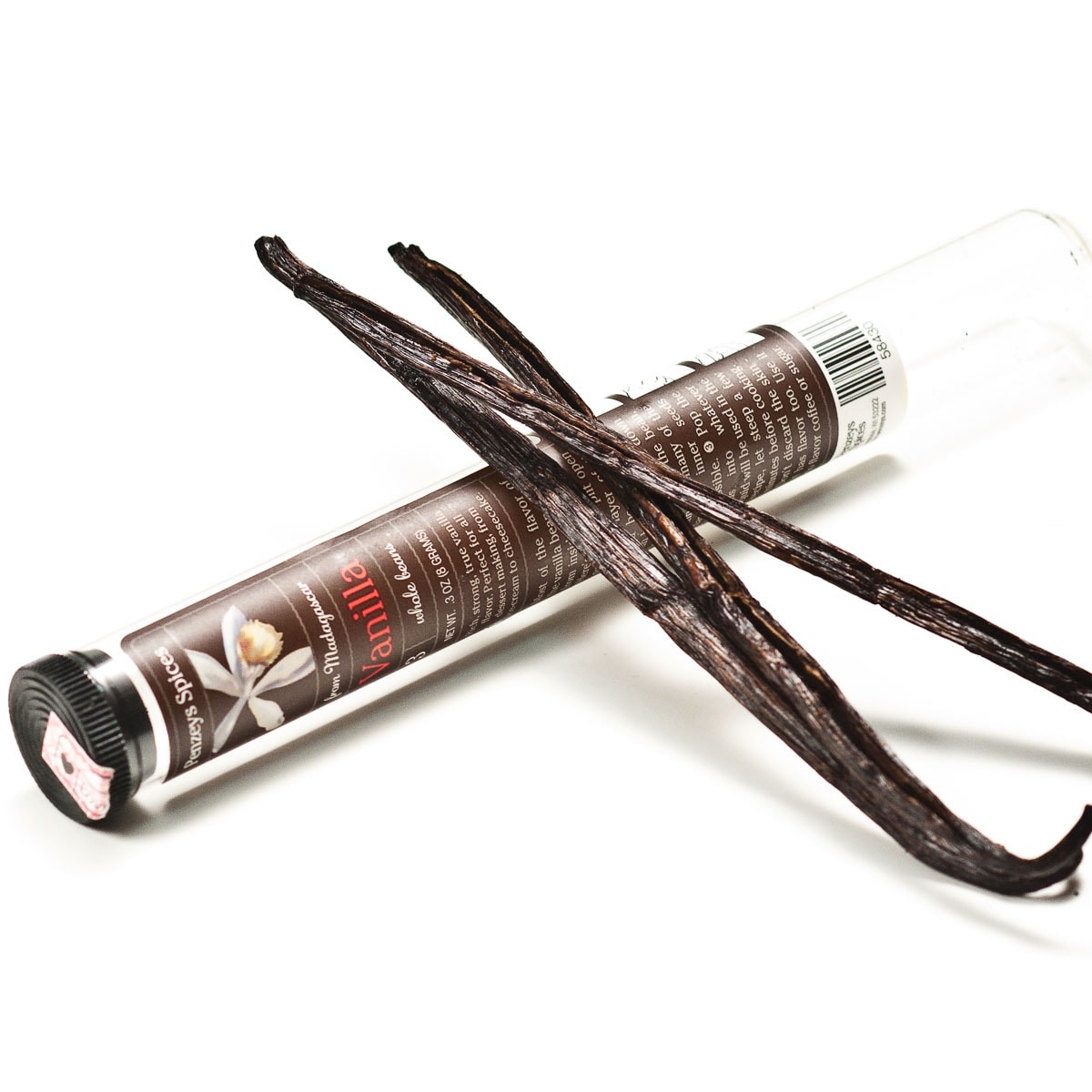
    Whole beans are often sold to consumers in glass tubes.  While they can be added to hot liquids and allowed to steep whole, they are usually split and the seeds are scraped out.  Dishes which feature the seeds will have little black specs in them.  The remaining pod can be reused again either by steeping or adding to granulated sugar to make vanilla sugar.  This can be used in baking or in coffee, tea or hot cocoa as a flavor boost.  About one half vanilla bean will replace 1 teaspoon of extract.

    Vanilla sugar, as mentioned above can be made or bought premade.

    Ground Vanilla Bean Powder

    Ground vanilla bean powder consists of freshly ground vanilla beans and is excellent in any product not requiring the vanilla to dissolve.  The general rule is to use about one third the amount of extract.

    Vanilla Paste

    Vanilla Paste is actually a thick liquid and not what one would consider paste.  It is a blend of concentrated extract and ground beans.  It is good to use wherever one wants the look of the seeds as in crème brulee, a vanilla pound cake, ice cream, etc.

    Storage

    Storing vanilla beans depends upon the climate in which you live.  They will keep indefinitely stored in a cool, dark place in an airtight container.  If they were bought in a glass tube, return them to the tube after using (make sure they are rinsed and dried if they were immersed in a liquid). 

    They should never be refrigerated as this can cause them to harden and crystallize.  In a humid areas they should be wrapped in waxed paper and stored in an airtight tin or a glass jar.  Do not wrap them in plastic wrap as they might sweat and mildew if temperatures go to 80 degrees or more, at which point you have to throw them out. 

    In less humid, cooler climates, they can be wrapped in film and stored in a glass jar or plastic box.  According to Patricia Rains, the Vanilla Queen, www.vanilla.com,

    “bourbon beans may develop a white frosting of natural vanillin crystals if you keep them for a while.  The crystals indicate the beans are high in natural vanillin and are of very good quality.  These crystals are quite edible and very flavorful.  If you are uncertain the beans are covered with crystals or mildewed, take them into the sunlight.  The crystals are similar to mineral crystals and will reflect the sun’s rays, creating the colors of the rainbow.  Mildew, on the other hand, will be dull and flat in the light, and may also smell bad.  If the bean is mildewed, throw it away as the mildew will spread to uninfected beans.” 

    If the beans dry out, soaking them will often plump them back up.  They can also be ground up and used to flavor sugar, coffee, dessert, etc.

    Vanilla is the second most expensive spice in the world. Reproducing good imitation vanilla is difficult due to the large number of components occurring naturally 

    Vanillan

    Vanillan, which naturally occurs on vanilla beans can be chemically reproduced and is often used in imitation vanilla.

    How to Use the Whole Beans

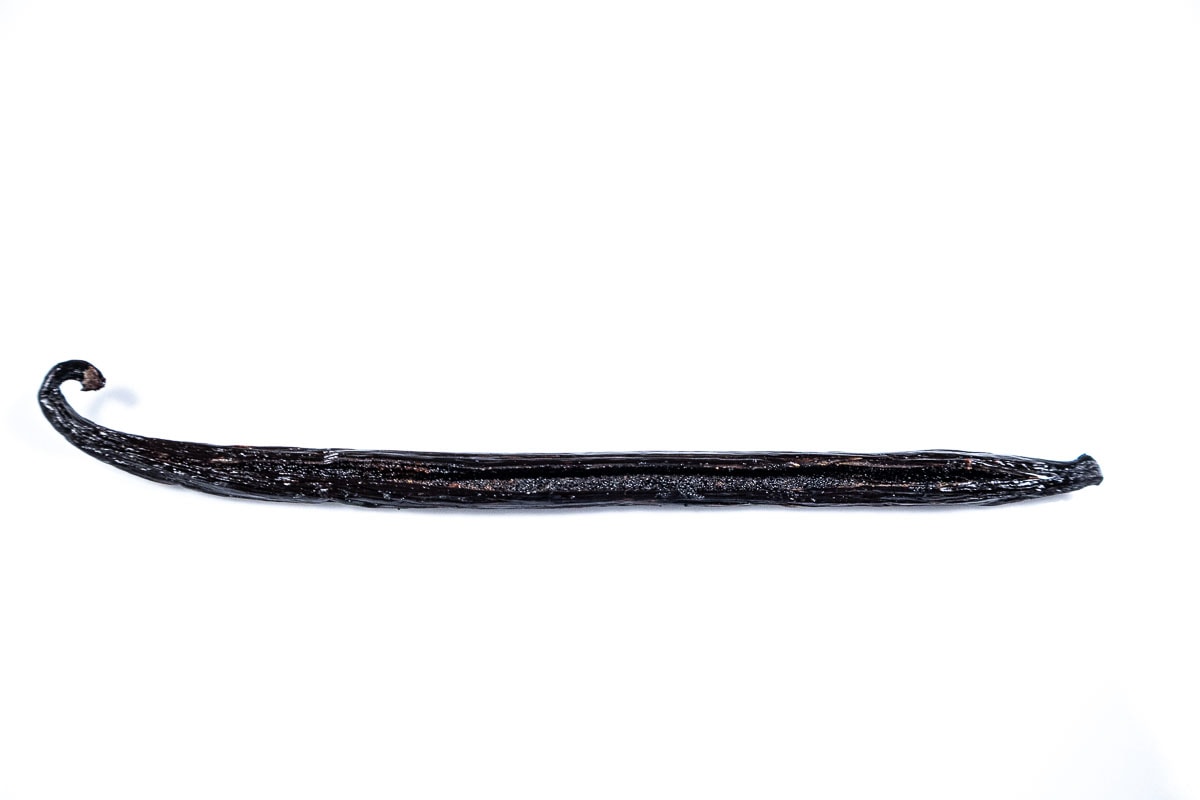
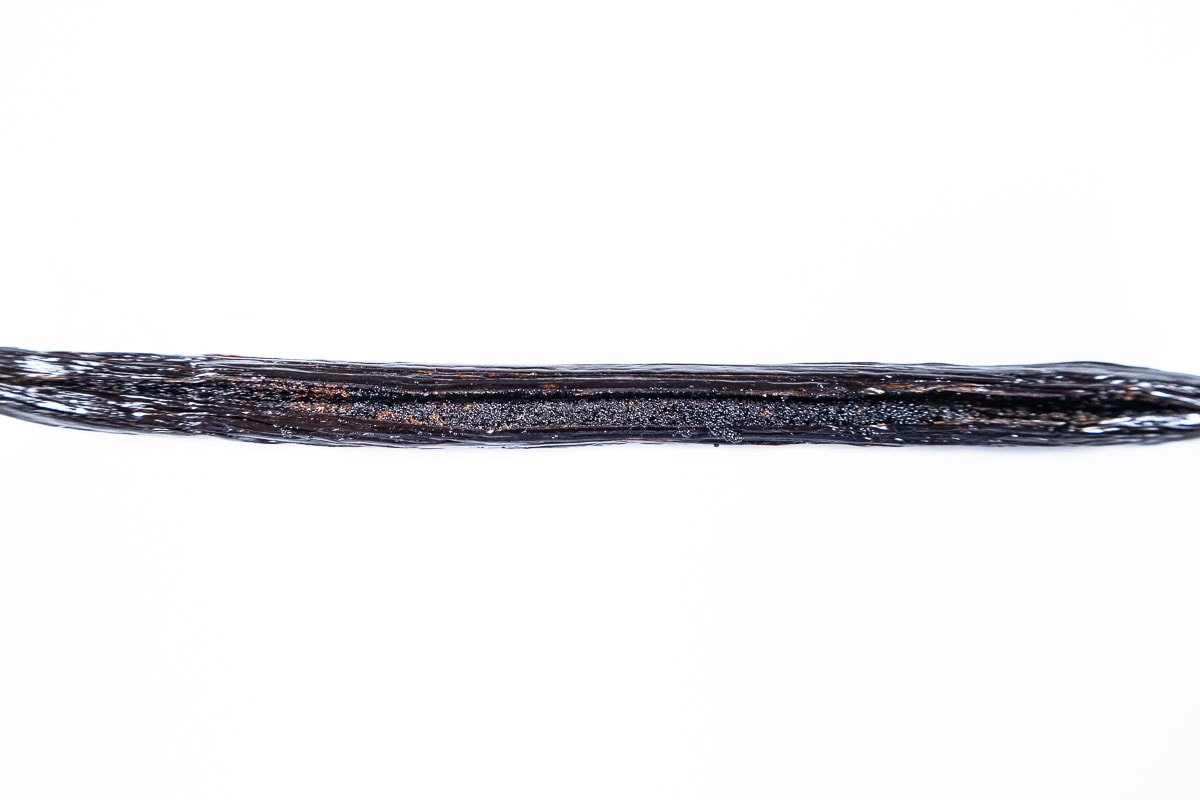
    A whole uncut vanilla bean.

    A whole, uncut vanilla pod as it grows on the climbing orchid.

    The vanilla pod has been split open to reveal the hundrends of tiny, tiny seeds.

    The vanilla pod has been split open to reveal hundreds of tiny, tiny seeds which hold the maximum flavor.

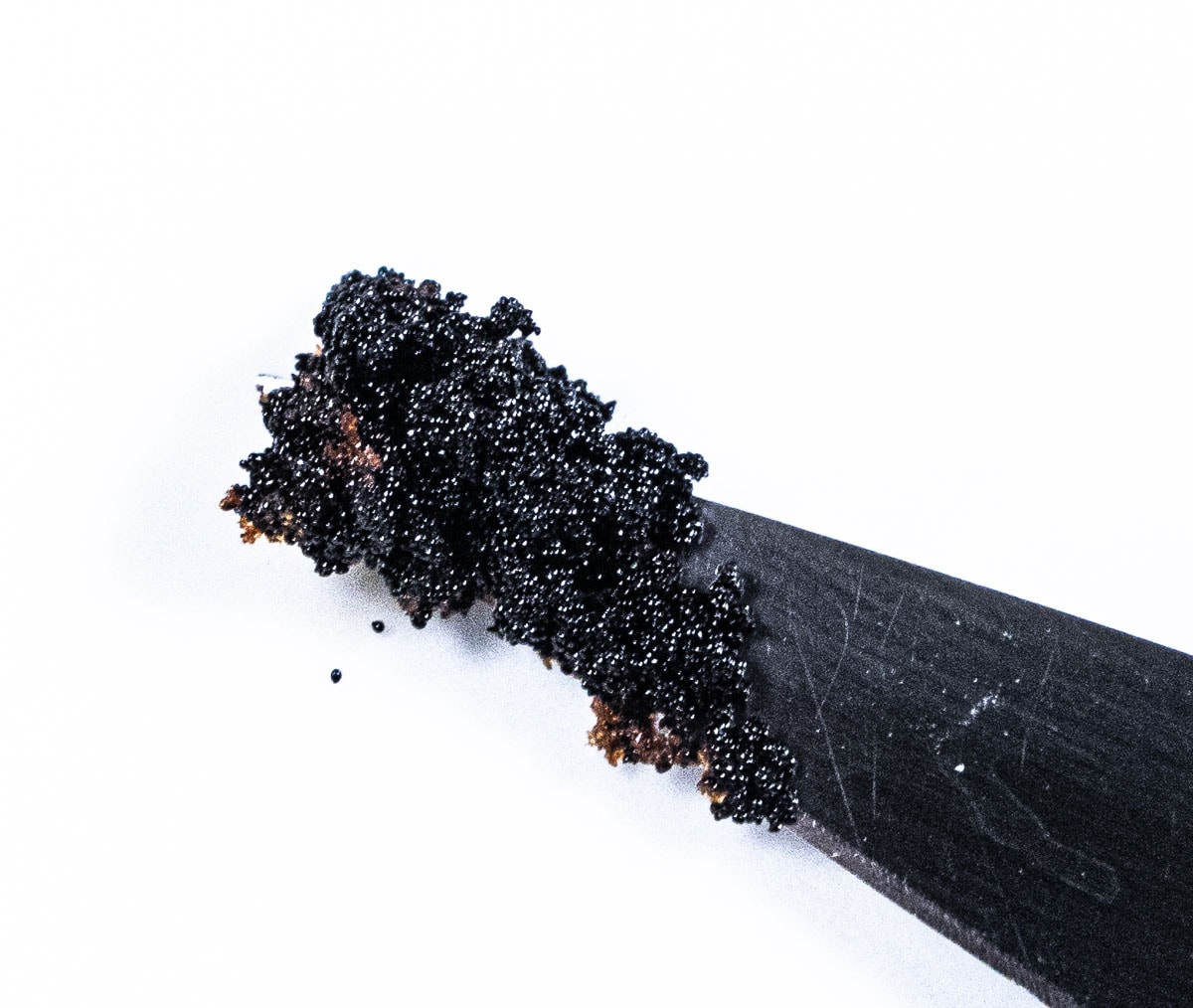
    The multitude of tiny seeds scraped from inside the vanilla pod.

    The tiny seeds are scraped from the split pod on the end of a knife to be used as desired.

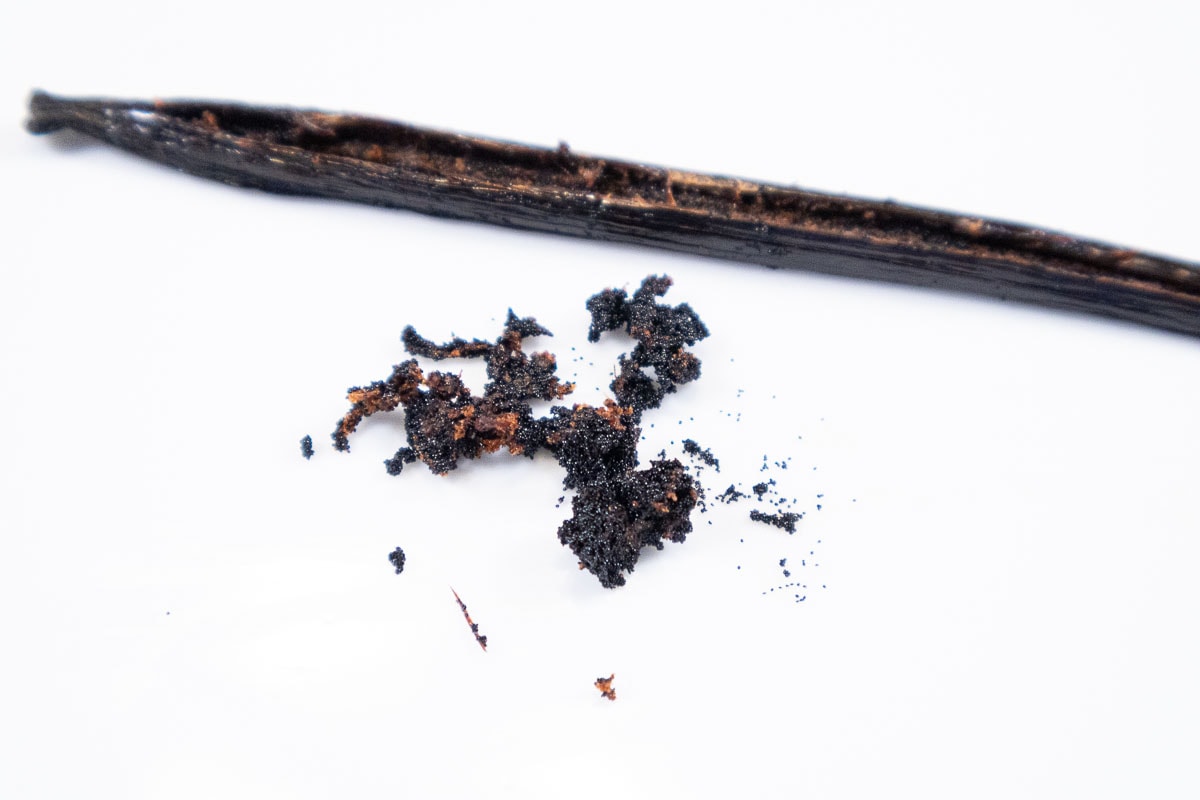
    The empty pod is pictured with the tiny seeds in front.

    The empty pod is very useful after the seeds have been removed. Bury it in a canister of sugar to make vanilla sugar, especially good for rolling cookies in, to macerate fruit, in coffee, etc.

    Imitation Vanilla

    While many people disparage imitation vanilla, there is one that I do recommend. Pure vanilla is very expensive. Professionally, I used vanillas that were up to $400.00 a gallon. But I used them sparingly.

    Pure vanilla is a waste when it comes to using them in chocolate or heavily spiced recipes as well as for everyday cookies and desserts. I still use expensive vanillas, my favorite is Tahitian, but only when the taste will definitely come through such as pastry cream and butter cookies.....wherever there are very few ingredients and the taste will definitely come through.

    However, there is only one I use both personally and professionally and that is McCormick's Imitation Vanilla. Many years ago Cook's Magazine ran a blind taste test with vanilla. They had some pure vanillas and some imitation. The one that was picked as the best tasting vanilla was - McCormick's Imitation Vanilla.

    Facts of Interest

    In closing, here are a few vanilla facts you might find interesting:

    • The US consumes approximately 1,200 tons of vanilla per year.
    • The word vanilla comes from the Spanish work vainilla, which means little sheath, referring to the pods long, thin shape.
    • The flavor of the vanilla bean is highly dependant upon the climate and the soil in which it is grown, much like coffee and cocoa beans.
    • Vanilla is used to flavor chocolate, just as it was in the days of the Aztecs.
    • Vanilla has over 250 organic components that comprise its flavor and fragrance.
    • Vanilla is said to calm nerves and and soothe the spirit.  Heliotropin, a major component in vanilla is used to help counter the claustrophobia caused by MRI’s.
    • Thomas Jefferson, while he was the Ambassador to France, has been credited with bringing vanilla to America from France in the late 1700’s.   His recipe for vanilla ice cream is housed in the Library of Congress.

    More information can be found here:

    Vanilla, The Cultural History of the World's Favorite Flavor, by Patricia Rains
    www.joyofbaking.com
    www.nielsenmassey.com

    How to Bake a Flat Cake or Cake Pan Prep

    Modified: Jul 30, 2025 · Published: Jul 8, 2013 by Helen S Fletcher · This post may contain affiliate links · 18 Comments

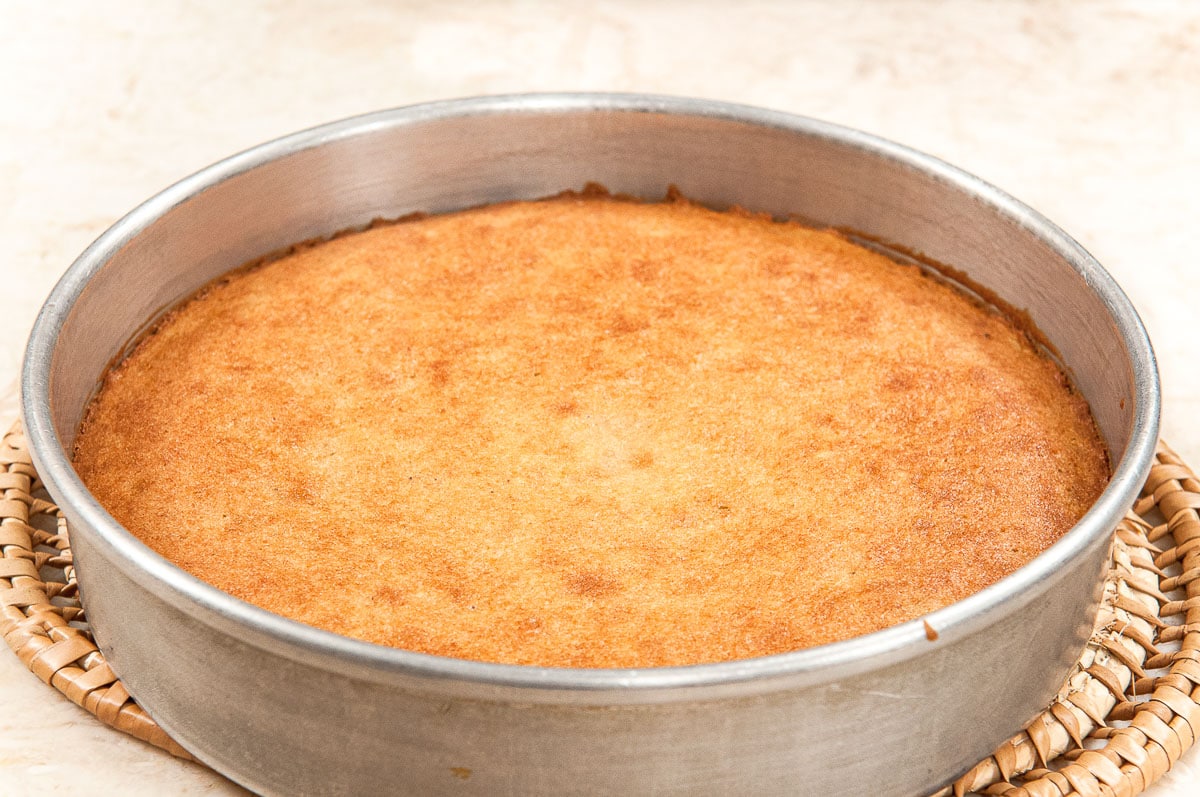
    A flat, baked layer of cake in the pan.

    How to Bake a Flat Cake Layer is totally dependent on how the cake pans are prepped. Years ago when I had my bakery we made a lot of wedding cakes. It became imperative to find a way to bake flat layers so they didn't have to be trimmed. This is the method we used for all of our cakes and it worked very well.

    A flat, baked layer of cake in the pan.

    This method does not depend up baking strips or other methods often suggested. It is simplicity itself.

    [feast_advanced_jump_to]

    Why This Method Works

    • The reason cakes dome or get humpy in the middle is when baking the heat travels from the outside to the middle of the pan.
    • Traditionally, cake pans have been greased and floured or sprayed with a releasing agent. When the cake pans are prepared in this manner, the edges rise, and because the rest of the cake isn't baked yet it can't support the edges, so they slide back down the greased pan resulting in a humpy or domed cake.  This assumes the recipe or formula being used is balanced.
    • By preparing the pans without greasing them, the cake edge will rise and then stick to the pan because they can't slide down.  They wait there while the center catches up, resulting in a flat cake layer.  
    • This method works with all different types of cakes.
    • When I discovered this, we prepared all of the layers  this way including the largest layers of a wedding cake.  It saved us an enormous amount of time and we didn't waste cake that had to be removed. Think Angel Food Cakes.

    Instructions

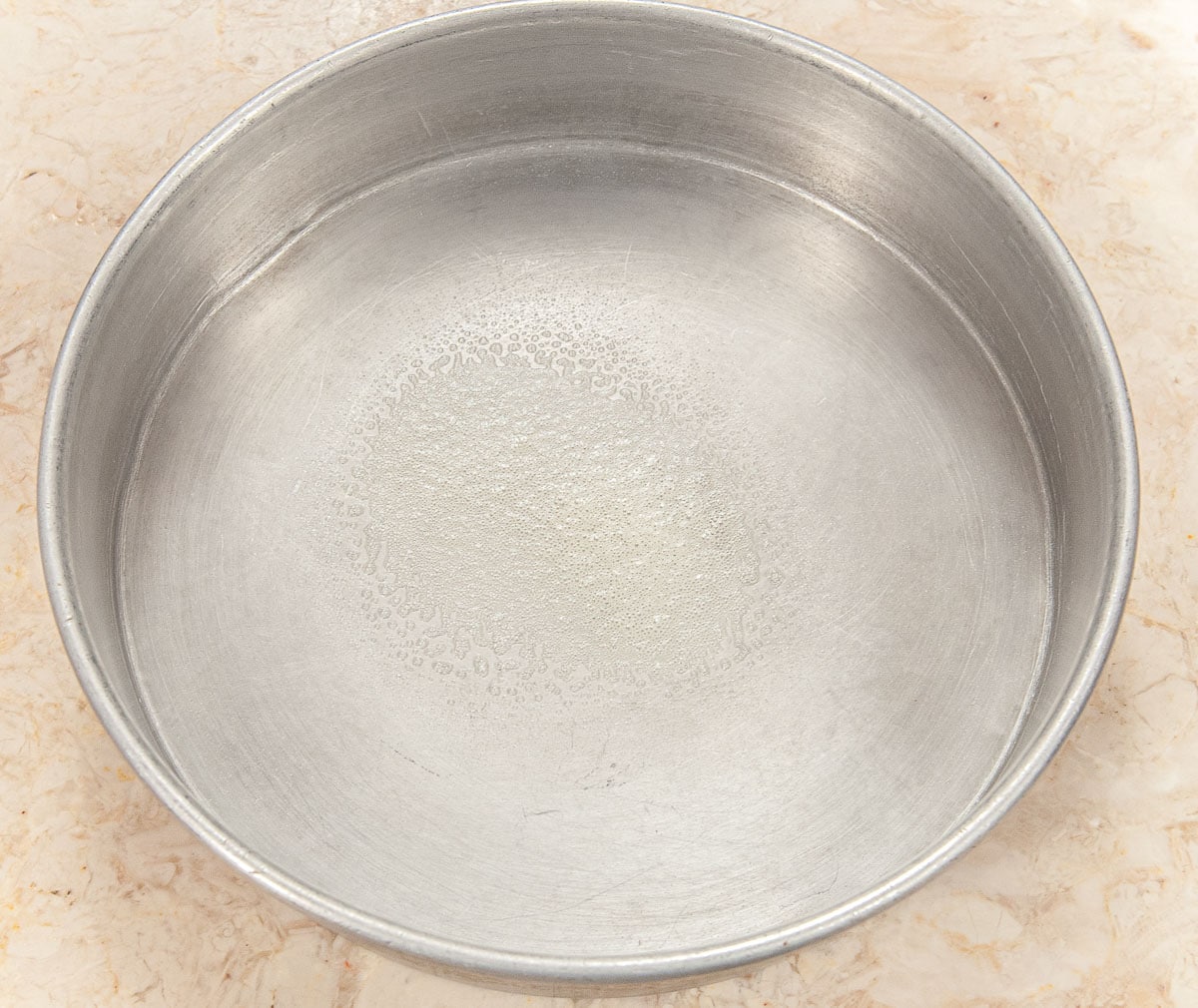
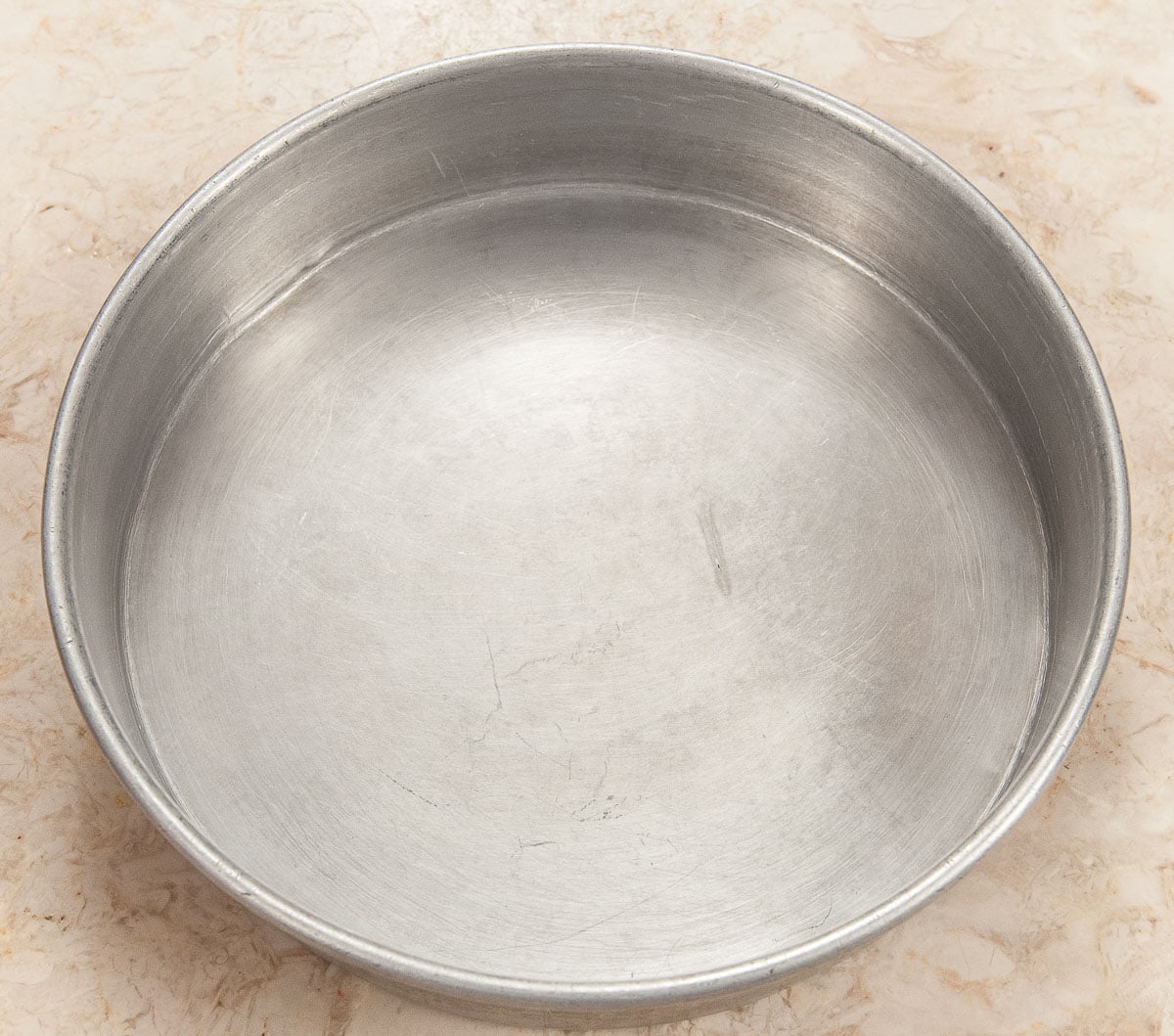
    The cake pan is unprepared in any way,

    Step 1. Make sure your pan is unprepared in any way.

    Step 2. Spray the center only of the pan with a non-stick baking spray. This helps keep the parchment from wrinkling when the cake batter is added.

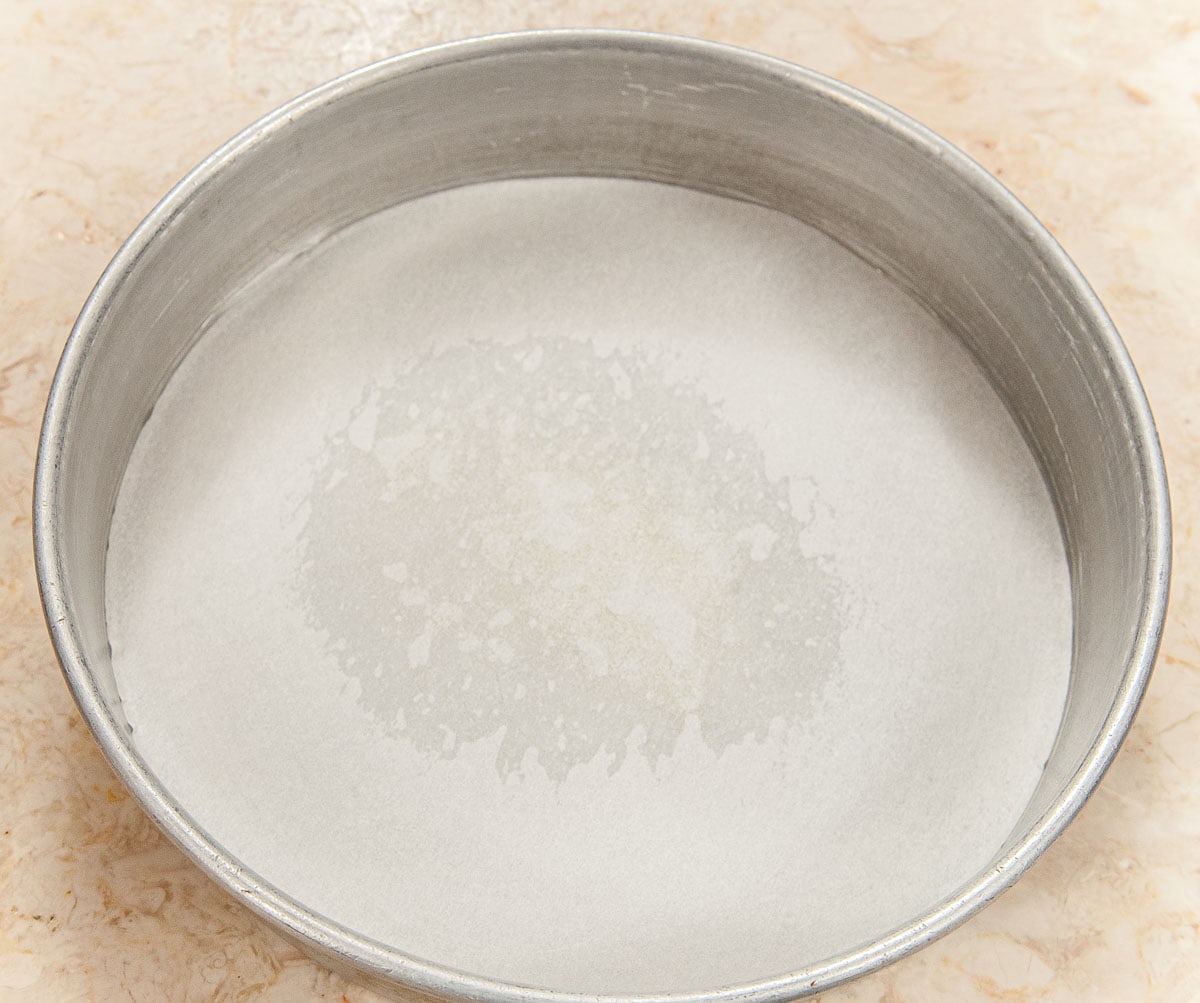
    A round of parchment paper has been placed in the pan.

    Step 3. Line the pan with parchment paper.

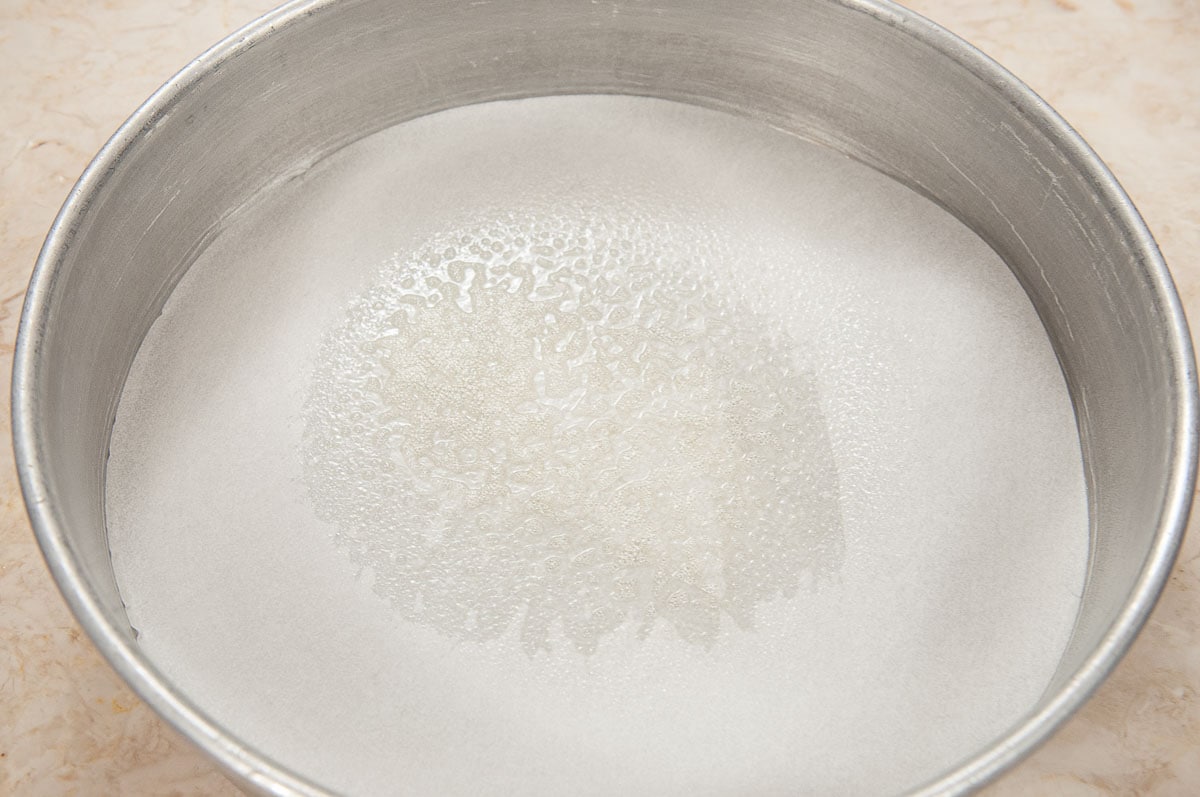
    The center only of the parchment paper is sprayed with a non-stick-baking-release

    Step 4. Spray the center only of the parchment paper. This ensures the center will release will no problem.

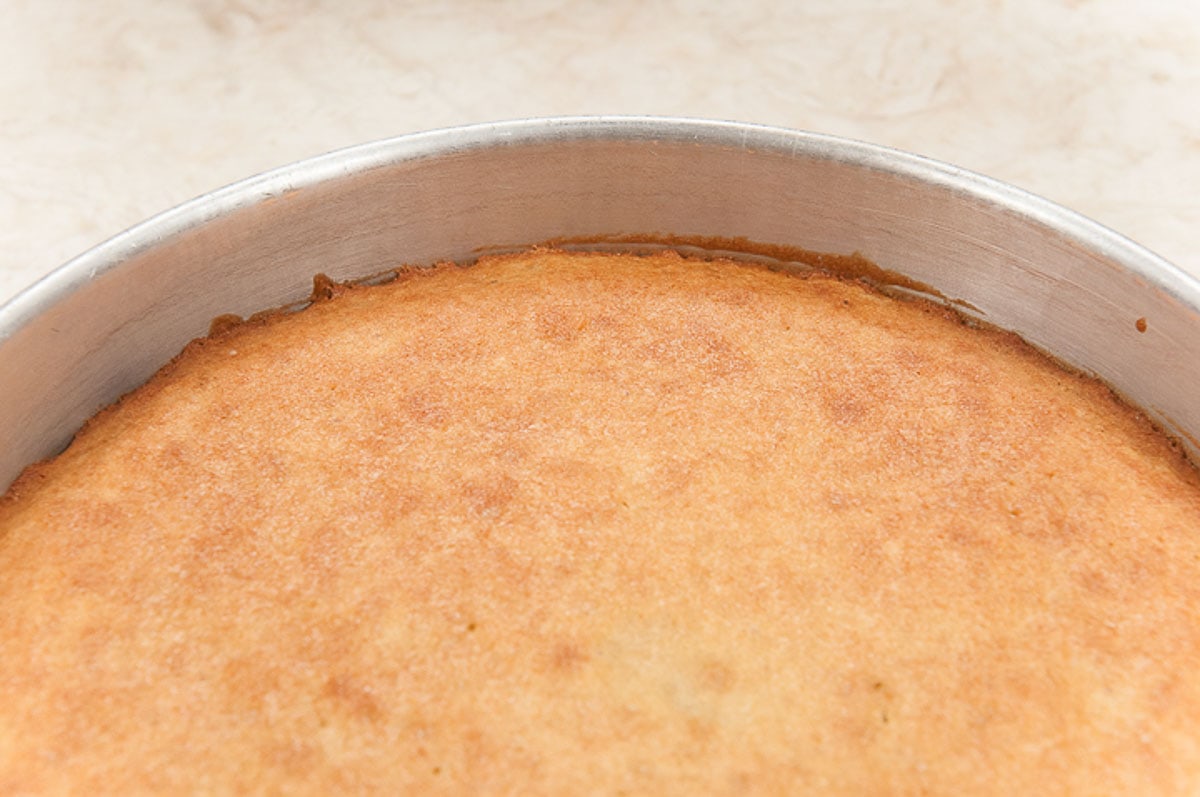
    The baked layer is stuck to the side of the pan.

    Step 5. The baked layer is stuck to the side of the pan. This is exactly how it should be.

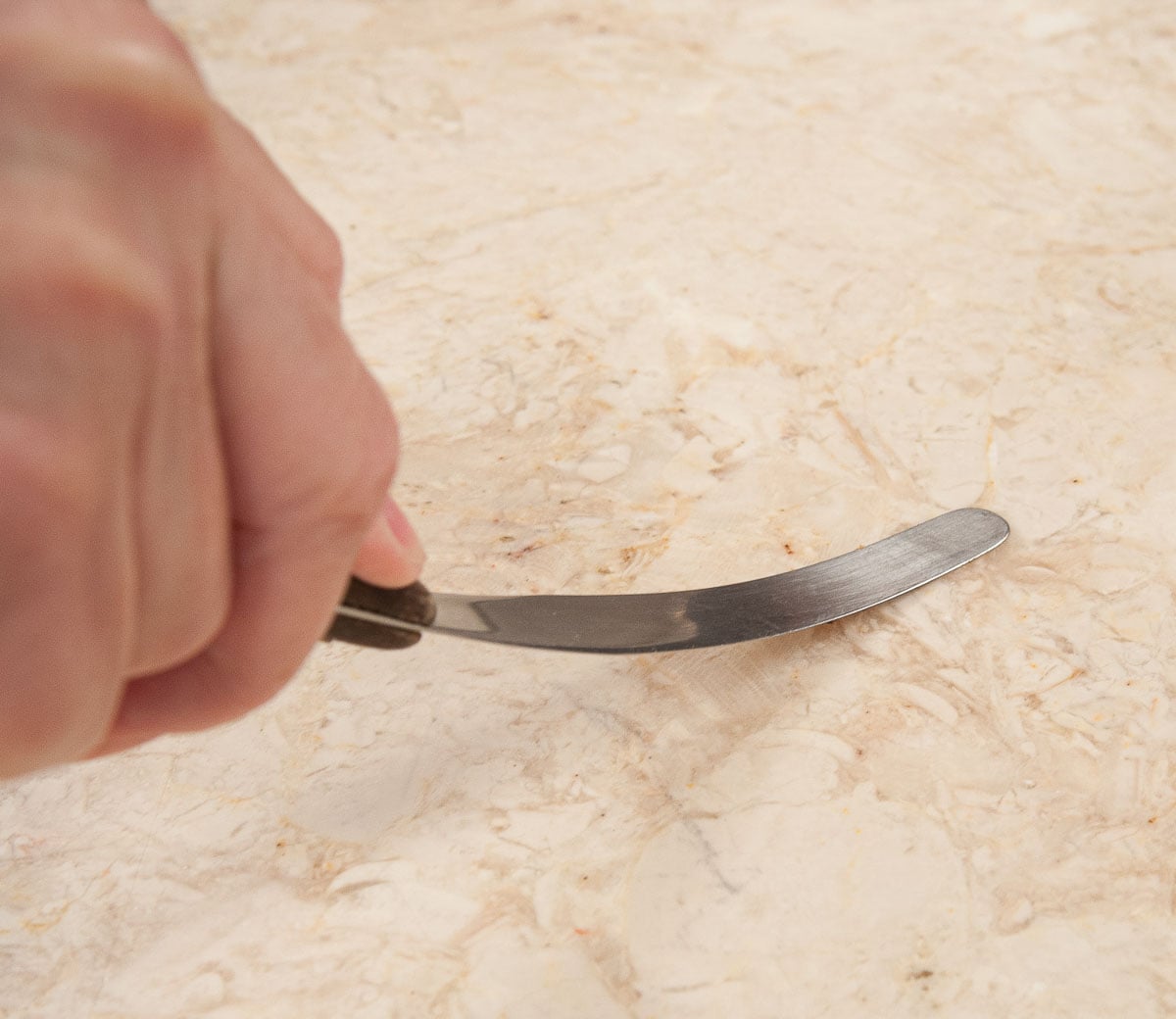
    Step 6. It is best to use a small, metal, flexible spatula to release the cake.

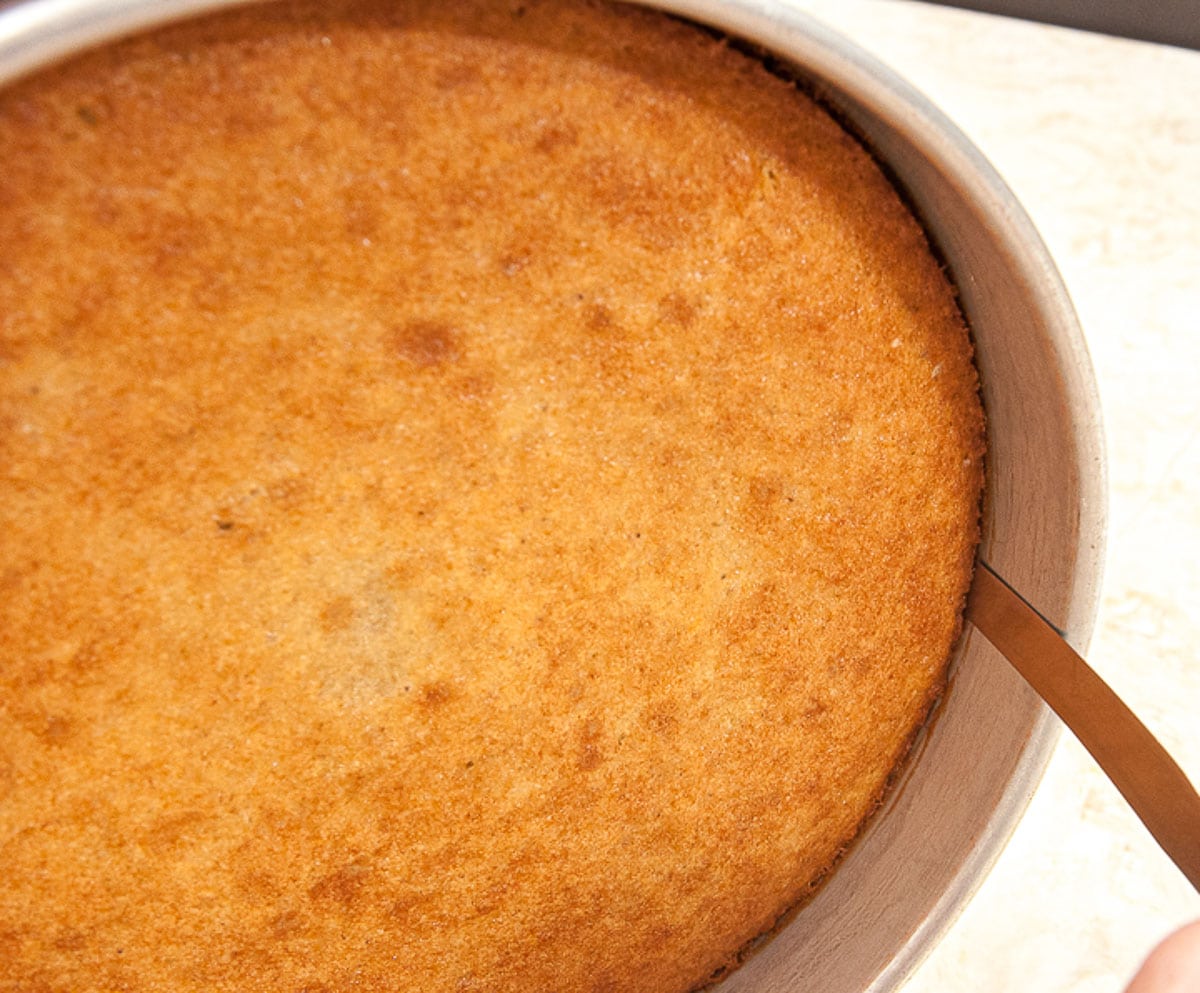
    The spatula is placed between the edge of the pan and the edge of the cake.

    Step 7. After the layer has cooled, place the spatula between the edge of the pan and the edge of the cake. Carefully go around the pan, keeping the spatula to the edge of the pan.

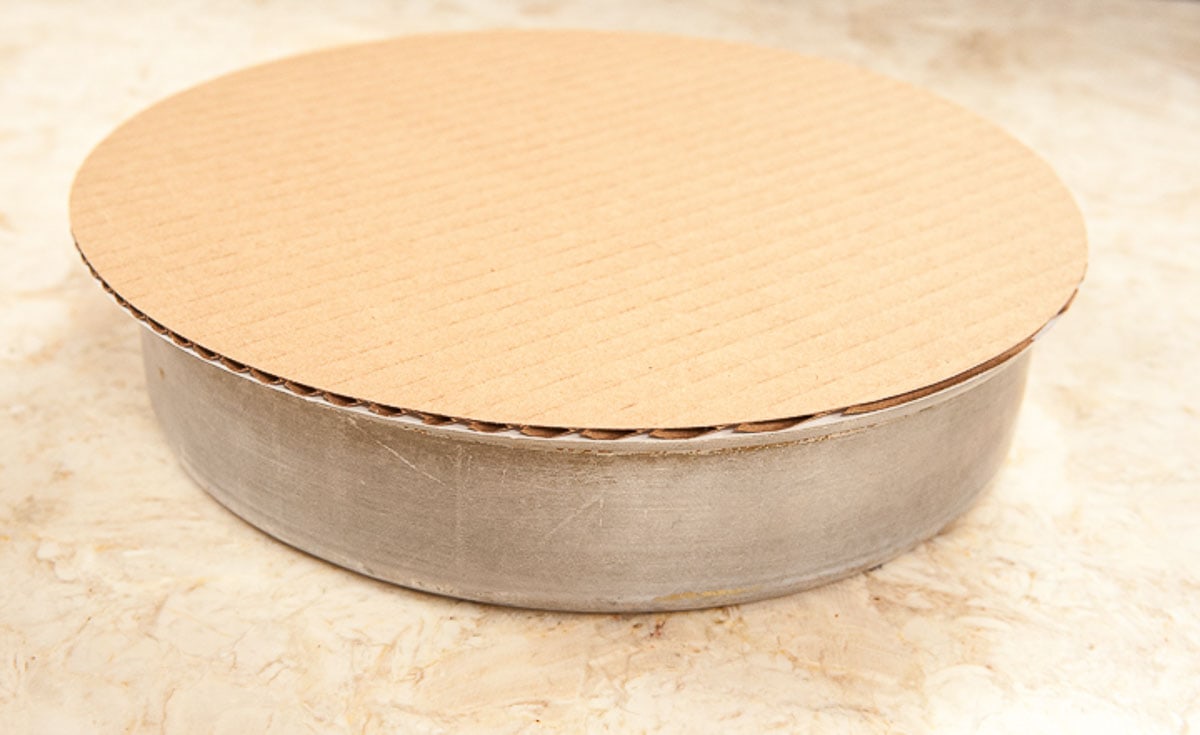
    A cake board is placed on top of the cake pan,

    Step 8. Place a cake board or flat dish on top of the cake pan.

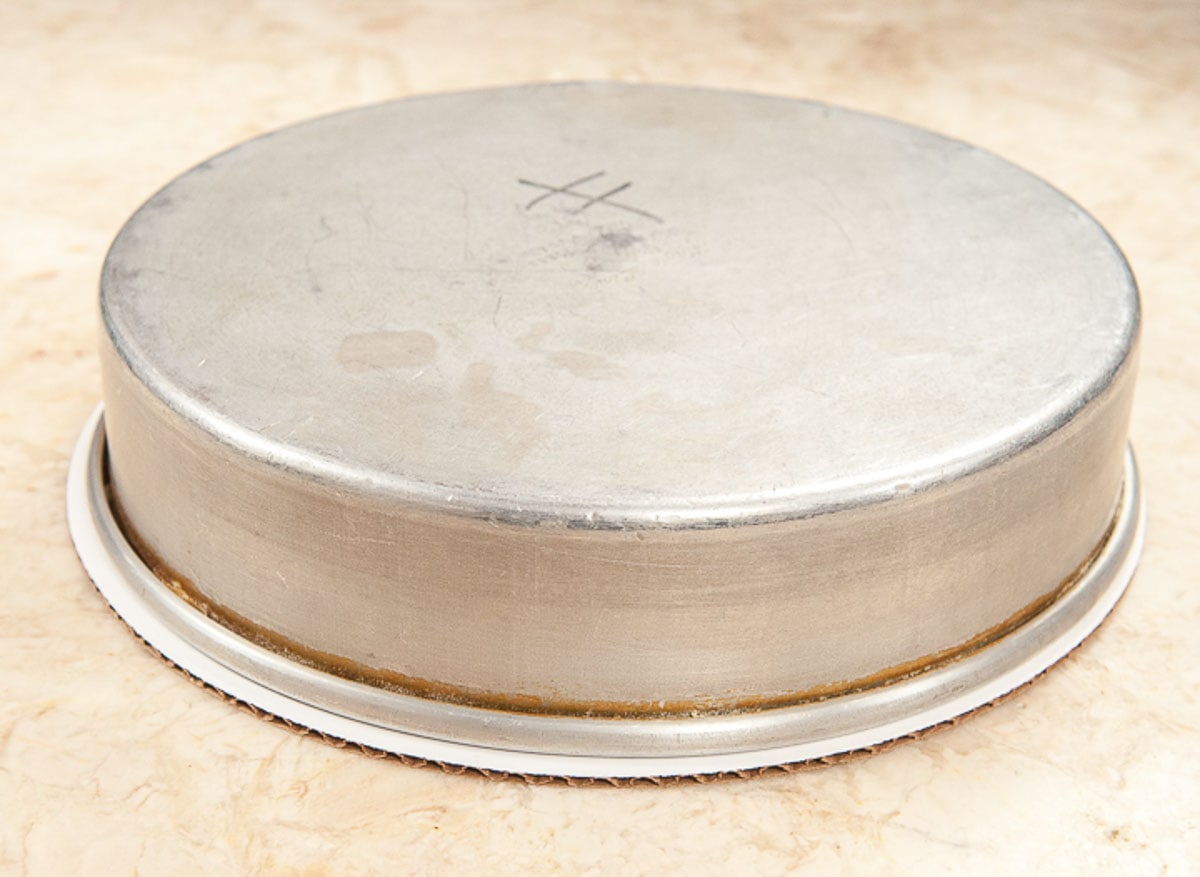
    The cake pan is turned upside down on the cake board.

    Step 9. Turn the pan upside down onto the cake board.

    Removing the parchment paper from the cake.

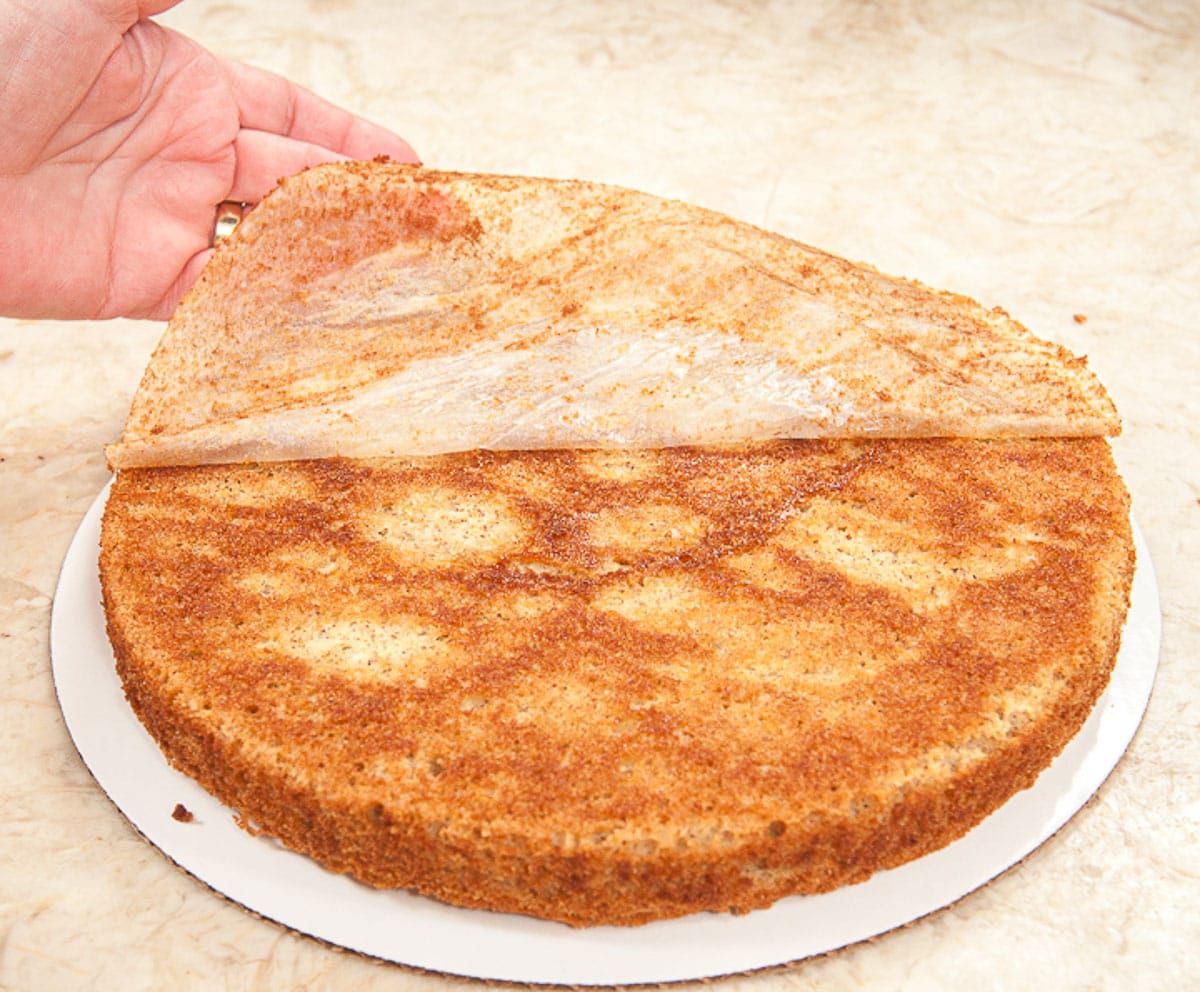
    Step 10. Remove the parchment paper from the cake.

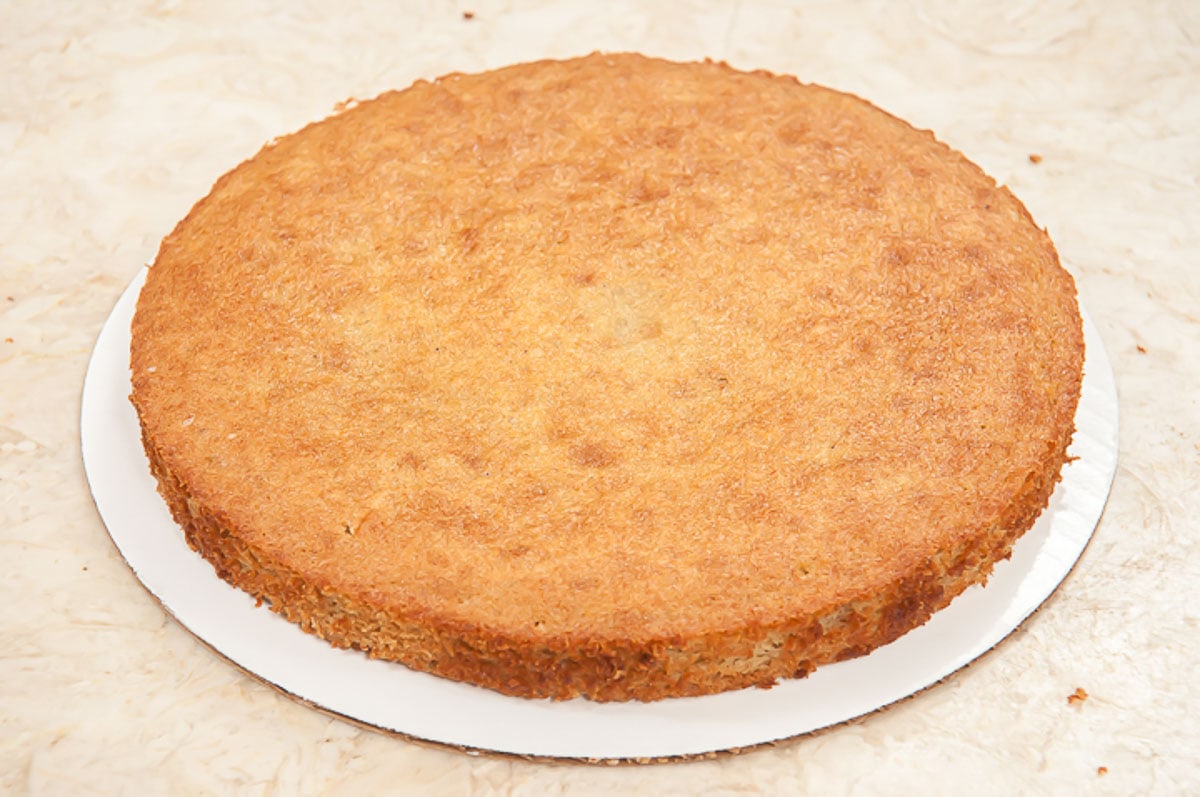
    The release cake on a cake board.
    • Angel food Cake
      Perfectly Easy Angel Food Cake
    • Hazelnut Gianduja Cake
      Hazelnut Gianduja Cake
    • Lemon Meringue Cake
      Lemon Meringue Cake
    • Raspberry Rhapsody
      Raspberry Rhapsody Cake

    Love this recipe or any other on my site? Please leave a 5-star 🌟🌟🌟🌟🌟rating in the recipe card & consider leaving a review in the comments further down, thanks!  Star ratings help people discover my recipes online. Thank you for reading and being a part of my community.

    Baking Basics - Equipment

    Modified: Jul 25, 2025 · Published: Jul 1, 2013 by Helen S Fletcher · This post may contain affiliate links · Leave a Comment

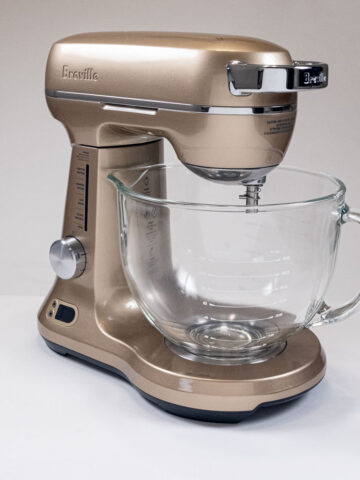
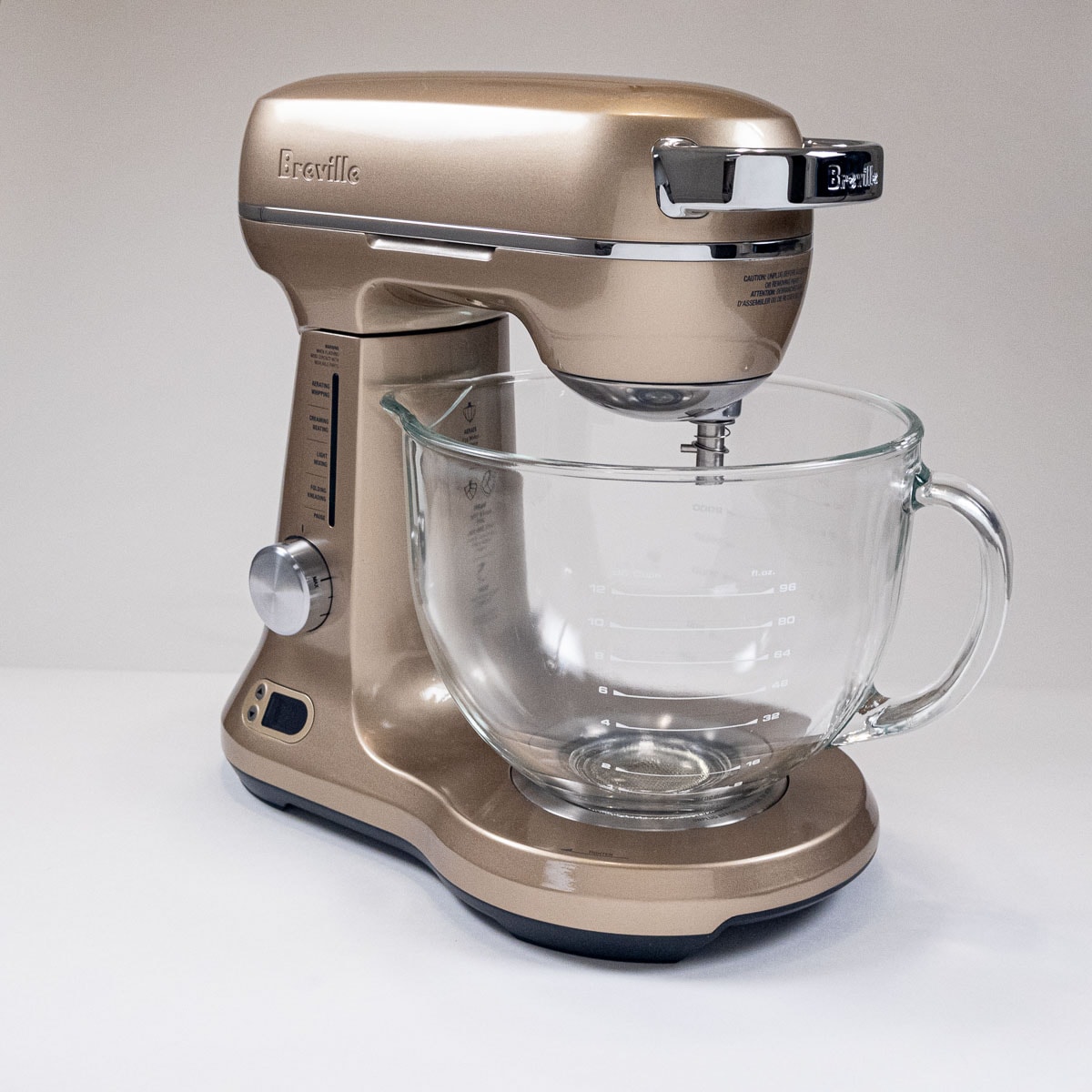
    The Champage colored Breville Bakery Chef Mixer with a glass mixing bow.

    These three pieces of equipment on Baking Basics were must haves at the bakery and are in my home kitchen.

    The Champage colored Breville Bakery Chef Mixer with a glass mixing bow.

    Mixer – Today there are so many brands of really good mixers on the market.  When I was learning to bake the only stand mixers was the KitchenAid. They were mini professional machines and I first saw one on Julia Child’s, “The French Chef”.  It took me forever to track it down because the only stand mixer available had two beaters used in tandem for everything.  I was awed by the paddle, whisk and dough hook as well as the 5 quart bowl of the Kitchen Aid.  I know there were others all over America looking for this mixer.  When I finally found it, I couldn’t afford it.  So I bided my time until I finally got one and treasured it all the more.  My first one was, are you ready for this?  Harvest Gold!  It was as bad a color as it sounds.  Looking back, I wonder what we all found so attractive about this color.  My current cream color machine has been with me since I wrote my first book, “The New Pastry Cook” in 1985.   The other thing I love about this mixer, is it’s very long life.

    My current mixer the Breville Bakery Chef above which I love and reviewed.

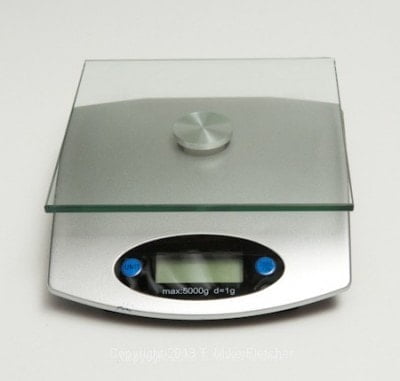
    Scale

    THE SCALE – When I first became serious about baking and pastry, I realized I needed a scale.  At the time, I didn’t think about how fast it would be to prep recipes, only how accurate.  From the very beginning, I was interested in making things as easy and foolproof as possible and when it comes to measuring, the scale is it.  Today, scales are abundant.  They can be very expensive or very inexpensive.  Keep in mind they all do the same thing – weigh ingredients.   Walmart has the one in this photograph and it was around $20.00.  Make sure whatever scale you buy weighs in both ounces and grams and up to 10 pounds.  Baking and pastry books are often in weights, especially professional ones.

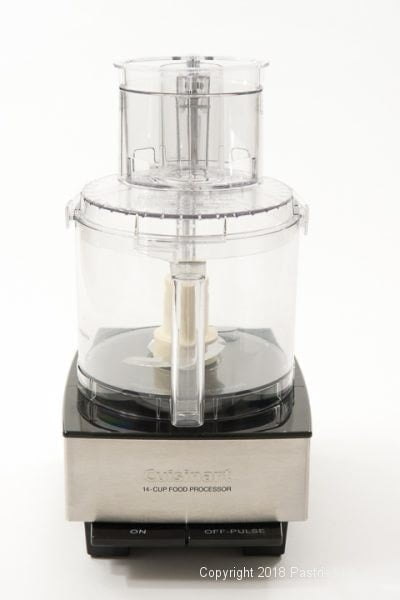
    Food Processor

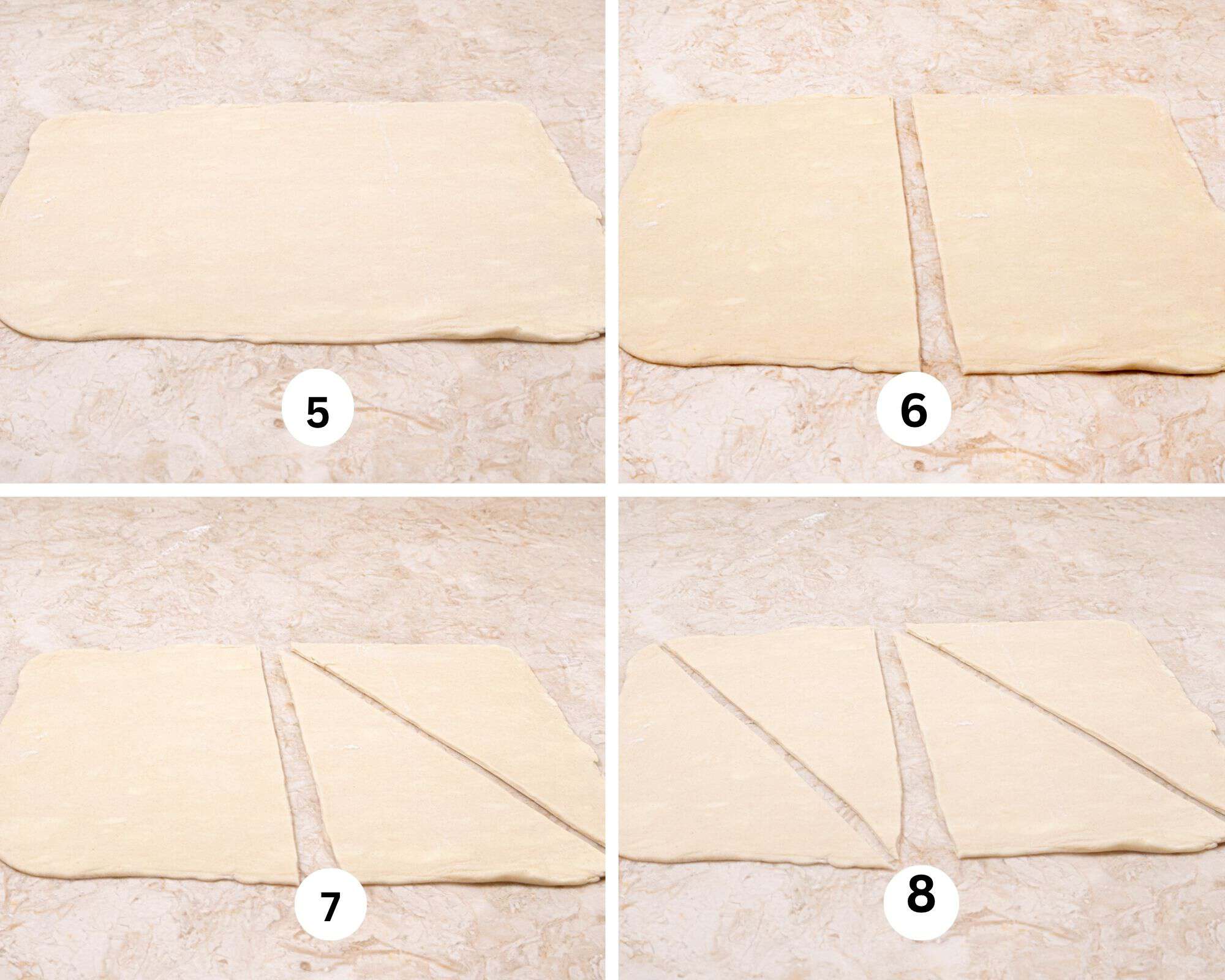
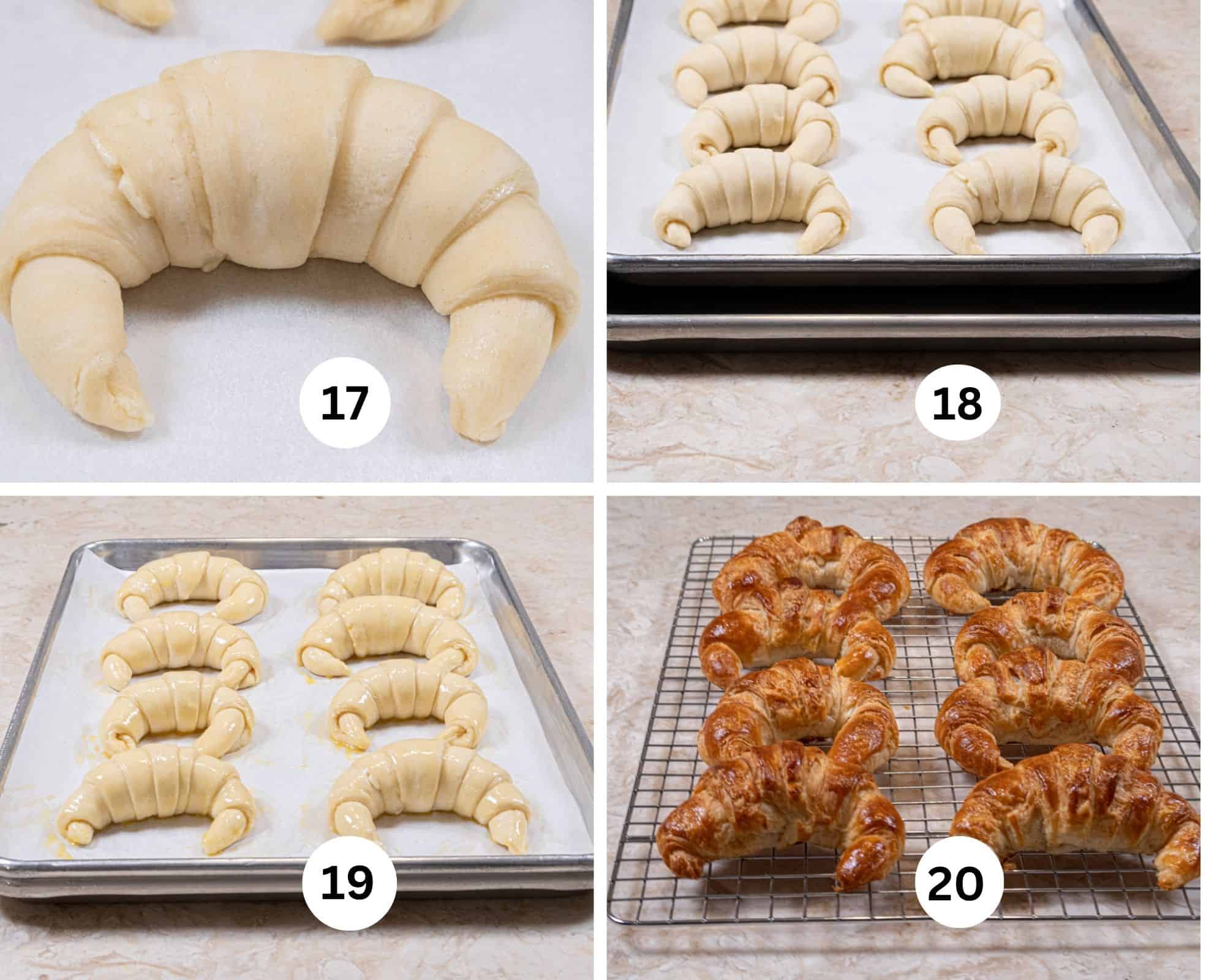
    I want to be upfront and let you know that I was a consultant to Cuisinarts when they first came on the scene.  I had developed a fast way of making a true Croissant (which I will post eventually) in about 4 to 5 hours, start to finish.  During that time, I had started writing food articles focusing on easier ways to bake and make pastries.  Since the recipe is based on the use of a processor, I sent the article to Cuisinarts.  They published a beautiful magazine called “The Pleasures of Cooking”.  It was Carl Sonthemier’s (the owner of Cuisinart) pet project and he lavished money on it.  It contained no advertising and I called it the National Geographic of cooking.  You couldn’t do any better if you were a writer.  In fact, Jacques Pepin was a regular contributor.  Well time went by and I didn’t hear from them and I really felt like I had something unique.   So I picked up the phone and called the editor.  I asked if they were interested because, if not, I wanted to submit to another magazine.  The editor asked if he could call me back shortly and away he went.

    Another thing you need to know that I had sold my first article to another magazine and thought they paid a lot of money.  So when the editor from The Pleasures of Cooking called and asked me how much I wanted for the article, I doubled the amount I had previously made from the other magazine and thought I was asking a lot.  He put me on hold, and when he got back to me said that was fine.  I later found out it wasn’t a lot as far as they were concerned.  My take away from this experience was being from the Midwest, I didn’t know what “a lot” was!  Within months, I was hired as a consultant to Cuisinarts specializing in pastries for the processor.  I also thought that was “a lot” but then what did I know?

    The food processor really does cut down on so many time consuming and/or tedious chores in cooking, baking and pastry.  My book, “The New Pastry Cook” is all about this.

    I guess I could do without one in my kitchen, but I wouldn’t want to.

    There are many brands of food processors now.  Just look for one that will process heavy doughs such as yeast breads.  They also come in different sizes.  At the bakery we used the largest one we could find.  At home, I use a smaller version.

    From time to time, I will be writing articles in the Baking Basics series that focus on equipment, techniques and ingredients.

    For more equipment photos, please go to https://europeantarts.com/2012/08/05/equipment-photos/

    This blog will be listed in the Baking Information page.

    [contact-form][contact-field label='Name' type='name' required='1'/][contact-field label='Email' type='email' required='1'/][contact-field label='Website' type='url'/][contact-field label='Comment' type='textarea' required='1'/][/contact-form]

    SaveSave

    Baking Powder vs. Baking Soda, Where and When to Use Which

    Modified: Apr 20, 2026 · Published: Jun 24, 2013 by Helen S Fletcher · This post may contain affiliate links · 6 Comments

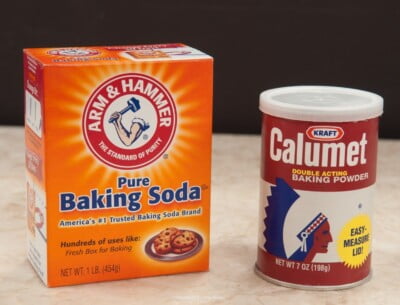
    Baking Soda and Baking Powder

    Baking Soda and Baking PowderI didn't become interested in baking or cooking until after I was married.  Baking Powder vs. Baking Soda, Where and When to Use Which didn't begin to occur to me.

    But when I did become interested in baking, one of the most confounding elements was baking powder vs baking soda and which to use where. I knew nothing of the science of baking and in that day (a looooong time ago) it wasn’t so easy to find such information (no internet, no baking science books).  When my interest became more than a hobby and I started writing about food, I developed everything on a trial and error basis.  I can’t tell you how glad I am I don’t have to do that anymore!

    Both baking powder and baking soda belong to the leavening family.  This family also includes, ammonia, yeast, steam and air.  All of these help a product, with the addition of heat, have a more desirable texture.  Without one of these, our products would be dense and flat.  However, they do not all work the same and are not interchangeable. [Read more...]
    Peachy Keen Mascarpone Parfait

    Modified: Jul 25, 2025 · Published: Jun 20, 2013 by Helen S Fletcher · This post may contain affiliate links · Leave a Comment

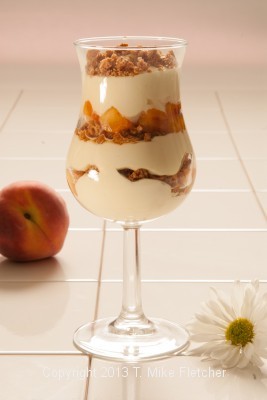
    Peachy Keen Parfait
    Peachy Keen Parfait
    Peachy Keen Mascarpone Parfait

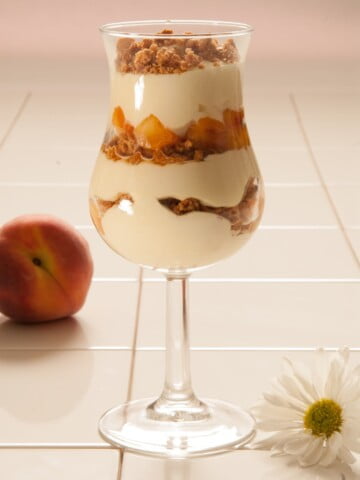
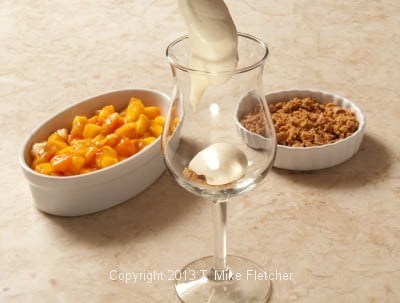
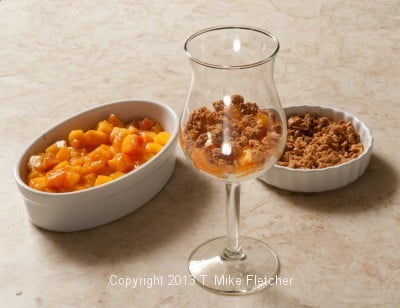
    With local peach season just about here, the Peachy Keen Mascarpone Parfait is just the thing to finish off a summer meal.  This easy to prepare dessert can be assembled the day before.  Just cover the glass with film.

    The riper the peaches the less time they will need to be blanched. If you can get cling free peaches, it will make separating the flesh from the stone so much easier leaving a better looking peach half.

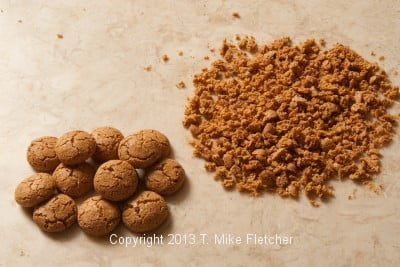
    The amaretti cookies are an  Italian specialty.  They are highlighted with bitter almond which is one of my favorite tastes.

    Mascarpone is a semi-soft, creamy,  Italian cheese that comes in a tub.  It can be found in the specialty cheese case of grocery stores or in specialty cheese shops.  Cream cheese is sometimes substituted for this cheese but it does not have the  same consistency or taste.

    40% or heavy whipping cream is used for its higher fat content than regular whipping cream. As such it holds the water in suspension and the cream will not leak liquid when whipped. It is also more dense when whipped.

    Parfait glasses are usually stemmed and can be various shapes. However, any glass will do.

    [Read more...]
    Double Panning - Preventing Over Browning in the Oven

    Modified: Aug 8, 2025 · Published: Jun 17, 2013 by Helen S Fletcher · This post may contain affiliate links · 4 Comments

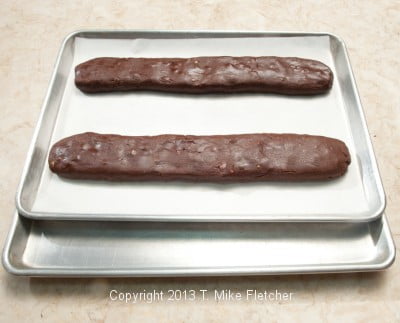
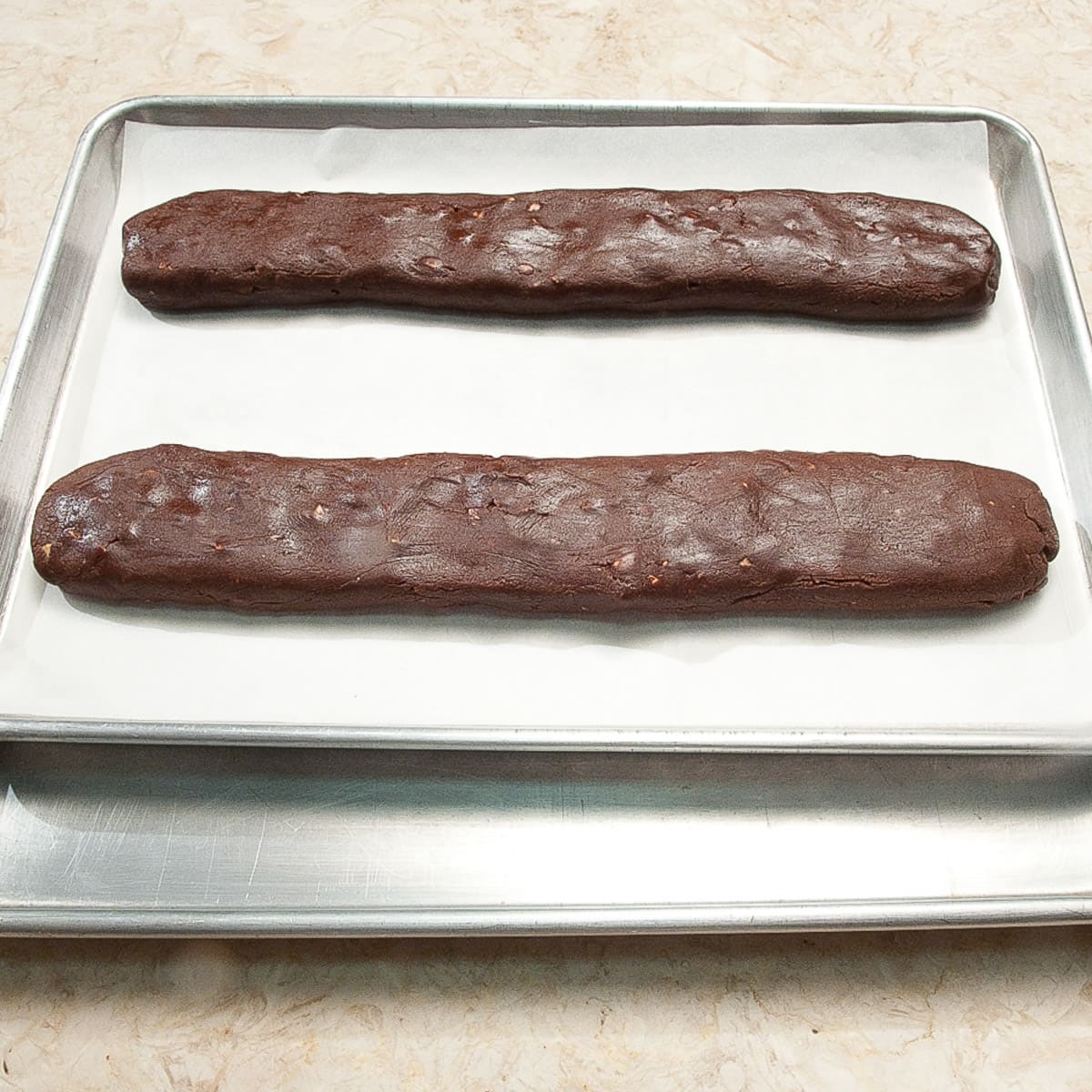
    Two pans on top of each other to prevent over browning.

    When I wrote my first book, "The New Pastry Cook", I had a chapter on croissant.  Instead of the usual 36 to 48 hours, I reduced the time with new techniques to 4 to 5 hours, start to finish including waiting and rising time for the very same quality of croissant.  The only disappointment was upon baking, the bottoms were near burned because of all the butter in them.  

    Two pans on top of each other to prevent over browning.

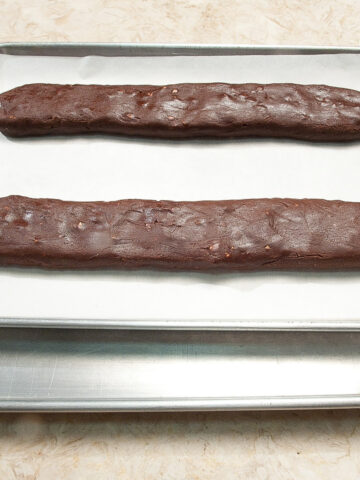
    This is how I solved that problem. It's as simple as putting one baking sheet on top of another.

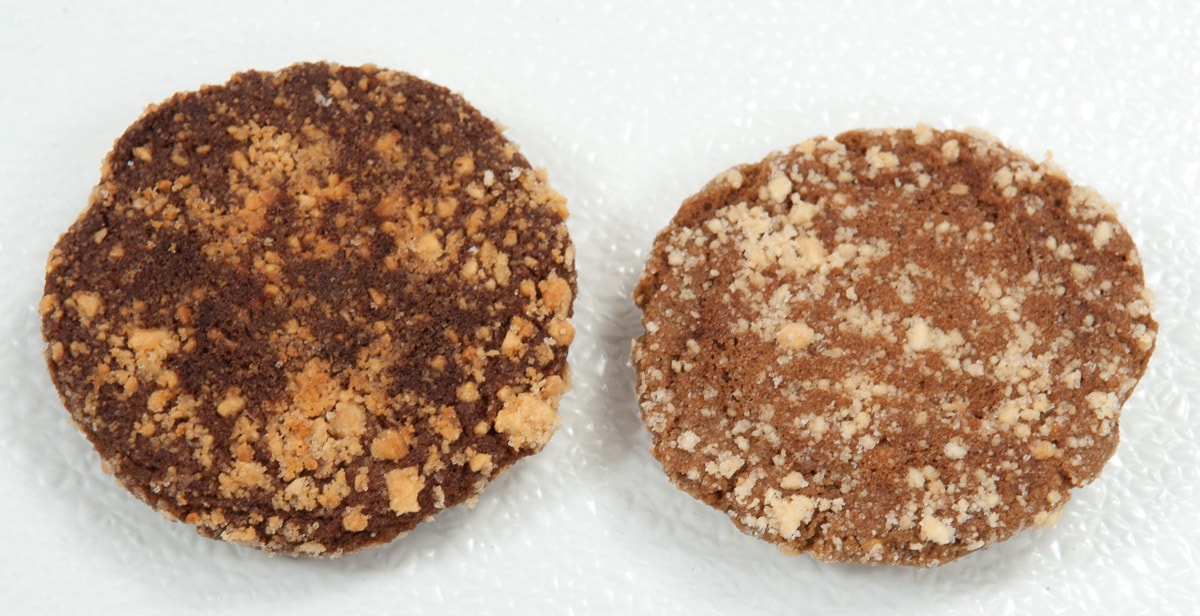
    Two cookie bottoms - on the left nearly burned on the right browned correctly

    These two cookies are the same and were baked for the same amount of time. The cookie on the left was baked on a single pan. The cookie on the right was baked on a double pan.

    What is Double Panning

    This is simply placing one baking sheet on top of another.

    Where to Use

    Cookies and other items made with brown sugar, honey, molasses or corn syrup, dark or light are candidates for this technique. Other items are sweet breads using a lot of butter and some breads with long baking times. These ingredients will over-brown quickly.

    Why Double Pan

    It will slow down the baking slightly to the bottom of the item so increased baking time, usually a few more minutes is needed.

     If double panning in an instruction in a recipe of mine the extra time has been accounted for. If using this technique for another recipe simply bake at the same temperature called for in that recipe adding a few more minutes.

    Chocolate Strawberry Mousse Torte

    Modified: Jul 30, 2025 · Published: Jun 13, 2013 by Helen S Fletcher · This post may contain affiliate links · 8 Comments

    Chocolate Strawberry Mousse Torte on a golden plate.
    Chocolate Strawberry Mousse Torte on a golden plate.

    This Chocolate Strawberry Mousse Torte is a showy torte that is actually easy to accomplish. It's like the best chocolate covered strawberry you ever ate!  A simple French cake, the Reine de Saba, was a favorite base for many of our cakes at the bakery.  It is chocolaty, moist, and holds up as a base better than any other chocolate cake we made.  We would keep these in the freezer and use them as needed.

    To get cake layers for the Chocolate Strawberry Mousse Cake to come out flat without humping in the middle, spray the middle only of your pan.  Place parchment on top and spray the middle only.  We used this at the bakery, and it worked really well.  If you spray the sides or otherwise prepare them, the sides of the cake will rise faster than the middle in the oven. It will then slide down the greased sides of the pan, causing the humpy center.  By not spraying the sides, the cake will cling to the side,s unable to slide down, much like an angel food cake.  The center can then catch up with the sides for a flat layer.

    We used an unusual method at the bakery for getting the eggs and the chocolate into the batter.  The eggs don't want to easily incorporate into the butter/sugar mixture.  By adding one egg, which may not fully incorporate,  then the chocolate, then the other egg, it will come together without curdling, which is the problem we had originally when we added all the eggs at once.  Also, do not let the chocolate become cold; it should be lukewarm but not hot.

    The mousse for the Chocolate Strawberry Mousse Cake uses two chocolates, white and semisweet, which mellow it out.  Bittersweet chocolate can be used if desired, but I am in the semisweet camp.

    When it comes to the strawberries, try to find ones that are mainly the same size.  I know this can be a pain as they pack them by weight and not size.  If they are the assorted version, simply cut more of the top off the big ones when removing the stems to achieve strawberries of the same size.  

    [Read more...]
    Ingredient Conversion Chart

    Modified: Apr 20, 2026 · Published: May 26, 2013 by Helen S Fletcher · This post may contain affiliate links · Leave a Comment

    6 cups phyllo for Greek Orange Yogurt Cake
    Proofed yeast for the Chocolate Spiced Coffee Cake, Ingredient Conversion

    This chart gives you the volume, grams and ounces of ingredients.  I will be adding more ingredients as we go along. These are the exact measurements we used at the bakery so I know they are accurate and accepted in the industry.
    I encourage everyone to use scales. It is so much faster and more accurate than volume. Volume is good for liquids and there is a chart for that.
    Do not fall into the trap of thinking dry and liquid ounces are the same.  They are not.

    Ingredient Conversion Chart

    INGREDIENTVOLUMEGRAMSOUNCES
    Baking Powder


    Baking Soda

    1 teaspoon


    1 teaspoon

    5


    6

    .20


    .211

    Butter4 sticks or 2 cups45416
    Butter1 stick1144
    Butter1 tablespoon15½
    Cinnamon1 teaspoon3.095
    Cocoa, sifted1 cup853
    Cocoa, unsifted1 cup1003 ½
    Coconut, sweetened1 cup853
    Cornmeal1 cup1505 ⅓
    Corn Syrup1 cup2559
    Cream of Coconut1 cup28010
    Eggs, large 582
    Egg Yolk, large 17.67
    Egg White, large 321.12
    Flour, All Purpose sifted 1 cup1144
    Flour, All Purpose unsifted1 cup1405
    Flour, Bread sifted1 cup1144
    Flour, Bread unsifted1 cup1405
    Flour, Cake sifted1 cup1003 ½ ounces
    Flour, Cake unsifted1 cup1254 ½ ounces
    Gelatin, powdered1 teaspoon3.033
    Graham Cracker Crumbs 1 cup1405
    Honey1 cup34012
    Peanut Butter, smooth1 cup2559
    Raisins, bakers (moist)1 cup1706
    Raisins, regular (dried)1 cup1405
    Raspberry Jam, seedless1 cup2609
    Salt1 teaspoon5.20
    Sour Cream1 cup2258
    Sugar, brown1 cup (packed)2007
    Sugar, granulated1 cup2007
    Sugar, powdered sifted1 cup903
    Sugar, powdered unsifted1 cup1304 ½
    Water1 cup2258
    • « Previous Page
    • 1
    • …
    • 12
    • 13
    • 14

    Hi, I'm Helen! Being a self-taught baker and owning a bakery for over 25 years, I found many ways to make baking more successful and less intimidating. Even busy people can bake as in many cases, recipes can be done over days. The goal is to make your baking life easier, more enjoyable, with great outcomes on a consistent basis.

    More about me →

    Subscribe to receive our free ebook

    SUBSCRIBE

    Spring Baking

    • Slices of the Strawberry Cake sit on a marble plate with fresh strawberries.
      Strawberry Cake - A Little Slice of Heaven
    • Irish Apple Cake dusted with powdered sugar on a white and green tray
      Irish Apple Cake
    • Blueberry poke cake is a 9x13" cake that has holes poked in it and filled with a blueberry compote. It is finished with whipped cream and blueberry filling
      Blueberry Lemon Poke Cake
    • An Individual Italian Tiramisu sits on a cream colored plate and dark beige and silver trim with a cup of tea and a plater of tiramisu in the background,
      Individual Italian Tiramisu
    • A whole coffee cake muffin sits on a wite plate with a colored mug on the plate and more muffins in the background.
      Coffee Cake Muffins (Bakery-Style & Moist)
    • Chocolate Strawberry Mousse Torte on a golden plate.
      Chocolate Strawberry Mousse Torte

    Popular Recipes

    • This Mini Pineapple Upside Down Cake features a pineapple slice with a cherry in the middle on top of a yellow cake sitting on a blue and white plate.
      Mini Pineapple Upside Down Cakes
    • A plate of Cuccidati, fig and nut filled Italian Cookies sprinkled with multi-colored nonpariels.
      Cuccidati - Italy's Finest Cookie
    • This picture shows a slice of the coffee cake on a white, lace edged plate on a marble counter.
      Apricot Crumb Coffee Cake
    • Langue de Chat cookies in a bowl.
      Langue de Chat
    • Angel food Cake
      Perfectly Easy Angel Food Cake
    • Large nut pieces for Chopping Nuts
      Chopping Nuts - A Quicker Way

    Available Now

    Available on Amazon, Barnes & Noble, Apple Books, as well as other sites and in book stores.
    AUTOGRAPHED COPIES ARE AVAILABLE
    Click here to purchase an autographed copy.
    Footer

    ↑ back to top

    About

    • About Helen
    • Privacy Policy

    Newsletter

    • Sign Up! for emails and updates

    Contact

    • Contact
    • Press
    • Facebook
    • Pinterest
    • Instagram
    • Threads
    • Bluesky

    COPYRIGHT © 2026 PASTRIES LIKE A PRO

    Rate This Recipe

    Your vote:


    A rating is required
    A name is required
    An email is required