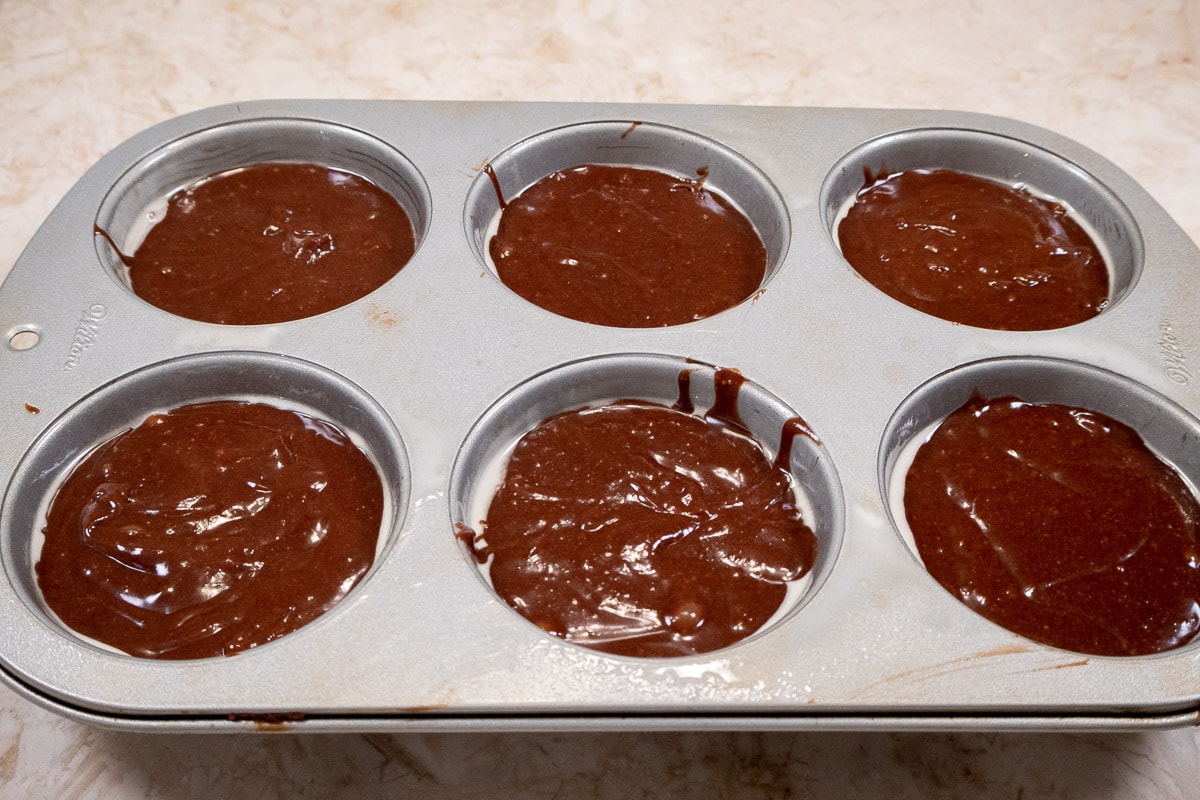
Pastries Like a Pro

  • Home
  • Recipes
  • About Helen
  • Mother's Day
  • Subscribe
  • Contact
menu icon
go to homepage
  • Home
  • Recipes
  • About Helen
  • Mother's Day
  • Subscribe
  • Contact
    • Facebook
    • Instagram
    • LinkedIn
    • Pinterest
    • Twitter
  • subscribe
    search icon
    Homepage link
    • Home
    • Recipes
    • About Helen
    • Mother's Day
    • Subscribe
    • Contact
    • Facebook
    • Instagram
    • LinkedIn
    • Pinterest
    • Twitter
  • ×
    Home

    Greek Orange Yogurt Cake with Orange Syrup (Portokalopita)

    Modified: Jul 30, 2025 · Published: Jul 20, 2017 by Helen S Fletcher · This post may contain affiliate links · 14 Comments

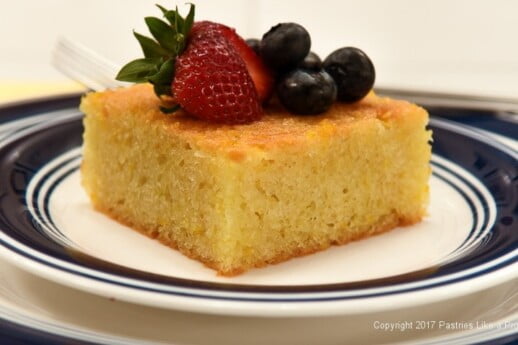
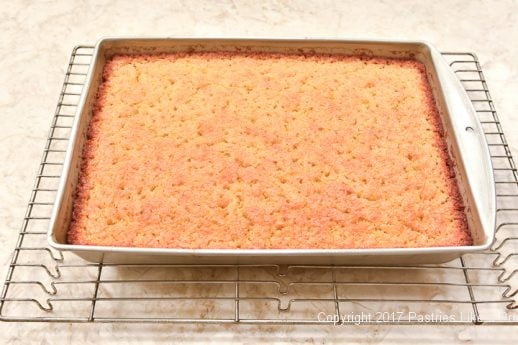
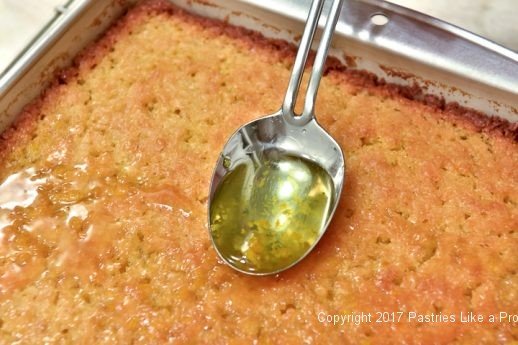
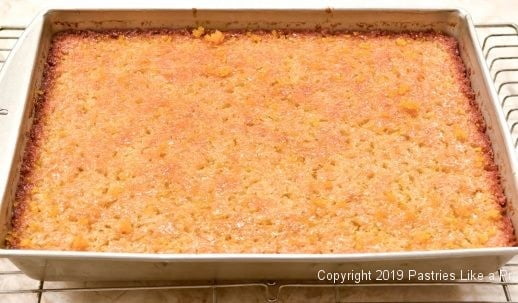
    Greek Orange Yogurt Cake
    Greek Orange Yogurt Cake

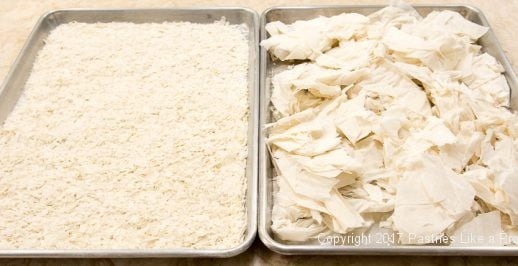
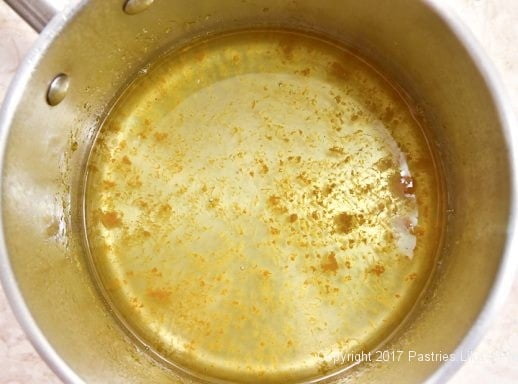
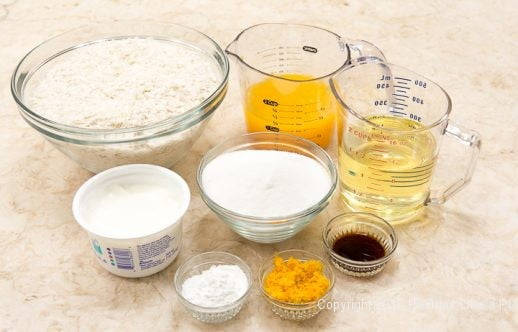
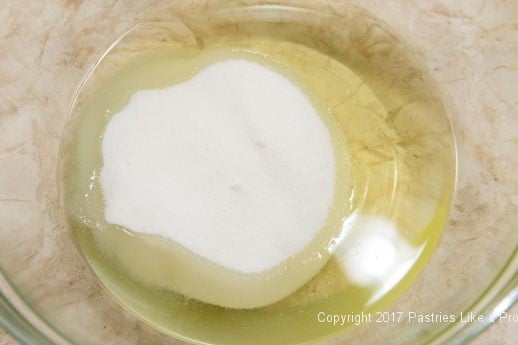
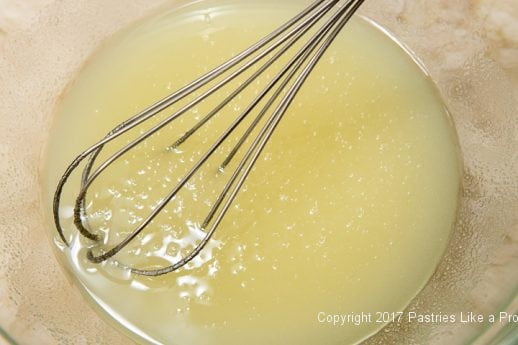
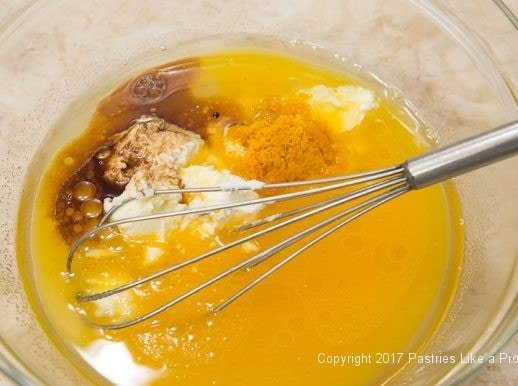
    Greek Orange Yogurt Cake or Portokalopita as it is known in Greece first came to my attention when reading a post by David Lebovitz writing about Tinos Greece.

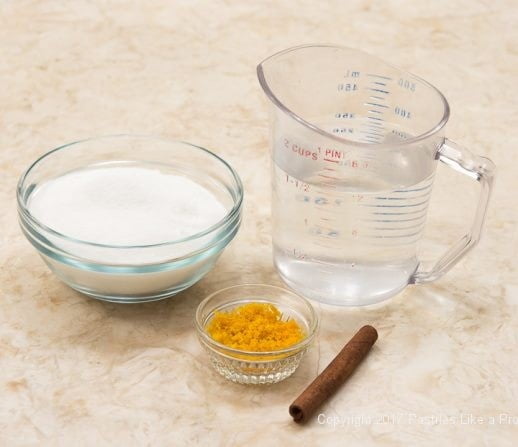
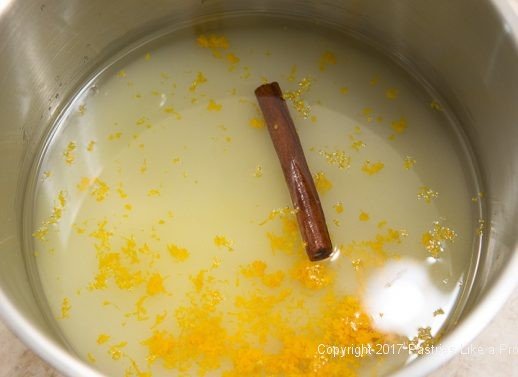
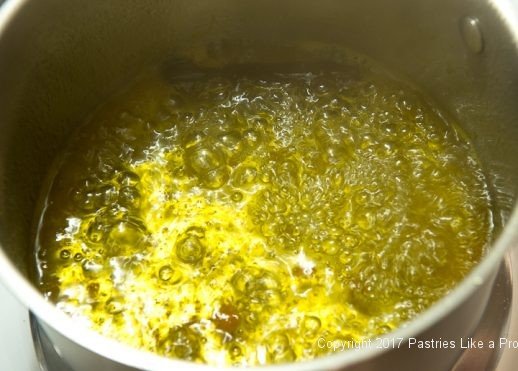
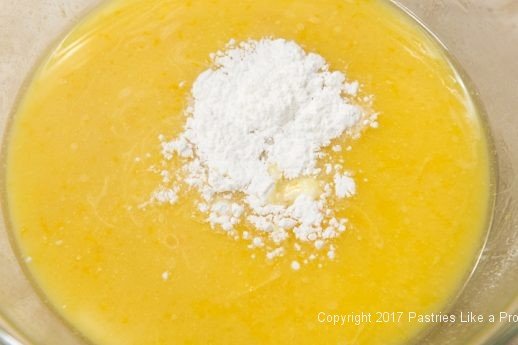
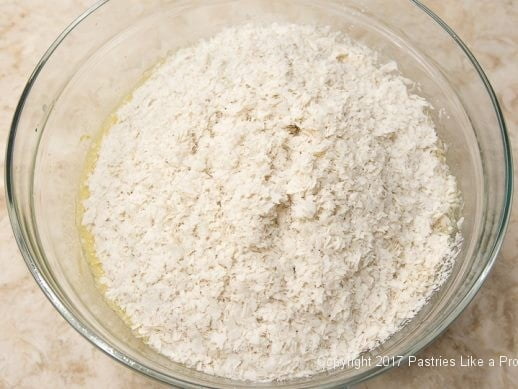
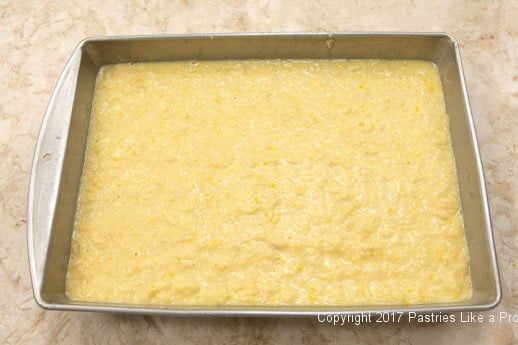
    Of course, I immediately started searching for the dessert and came up with what I thought to be the most authentic version of this Greek Orange Yogurt Cake based on the fact it was from Greece and its use of phyllo and a soaking syrup.  Many Greek desserts are finished with a soaking syrup that often contains cinnamon sticks and cloves.

    The photograph of this cake, so moist you can almost taste it, made it a must try.  My love of phyllo is best expressed in my post on Baklava as my mother made it.  Watching my mother and grandmother make this thinnest of doughs has fascinated me all my life - and still does.

    [Read more...]

    Ultimate Hot Fudge Marshmallow Sundae

    Modified: Jul 25, 2025 · Published: Jul 13, 2017 by Helen S Fletcher · This post may contain affiliate links · 9 Comments

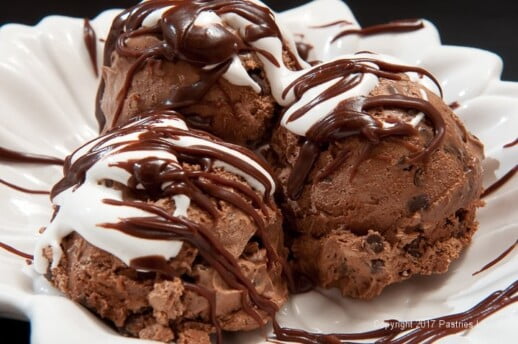
    Ultimate Hot Fudge Marshmallow Sundae

    Ultimate Hot Fudge Marshmallow SundaeThe Ultimate Hot Fudge Marshmallow Sundae is the result of last week's blog on the Double Chocolate No Machine Ice Cream.  Several readers questioned what to do with the leftover condensed milk.  A 14 ounce can of condensed milk is measured by weight and contains 1 ¼ cups of milk.   Using ½ cup in the ice cream leaves ¾ cup left over.  What to do with it?

    So here is the post from my original blog, The Ardent Cook.  It has the ice cream from last week as well as hot fudge sauce and homemade marshmallow creme making it the Ultimate Hot Fudge Marshmallow Sundae.

    Updating this blog is the use of the last ¾ cup of condensed milk in the hot fudge sauce.  I am leaving both hot fudge sauces in the blog because truthfully, I prefer my original because I think it has a deeper flavor.  However, this recipe, from Eagle Brand Condensed Milk was scaled down to use the leftover condensed milk. [Read more...]

    Double Chocolate No Machine Ice Cream

    Modified: Jul 25, 2025 · Published: Jul 6, 2017 by Helen S Fletcher · This post may contain affiliate links · 5 Comments

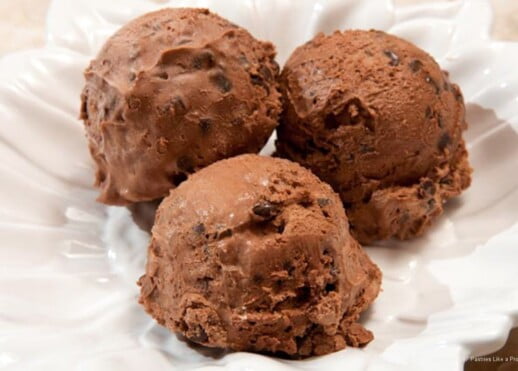
    Double Chocolate No Machine Ice Cream
    Double Chocolate No Machine Ice Cream

    Double Chocolate No Machine Ice Cream is just the finish for a summer meal.  It is a quick to make, beyond simple recipe that yields a very creamy, chocolate ice cream that requires no ice cream machine to make and soooooooo delicious.

    Condensed milk is the base for this ice cream and truth to tell, I could it it all by itself.  Add melted chocolate and whipped cream, freeze a bit and there you have it, chocolate ice cream. No custard mix to cook, no machine to churn.   One of my father's favorite desserts was chocolate ice cream with Kahlua poured over it.  This Double Chocolate Ice Cream would have pleased him.  It would be great with a bit of rum, orange liqueur, chambord poured over it - you get the idea.  For the little ones, finish with marshmallow creme thinned out with a bit of water and chocolate or hot fudge sauce.

    [Read more...]

    Chocolate Raspberry Marzipan Gateau

    Modified: Jul 30, 2025 · Published: Jun 12, 2017 by Helen S Fletcher · This post may contain affiliate links · 15 Comments

    Chocolate Raspberry Marzipan Gateau
    Chocolate Raspberry Marzipan Gateau

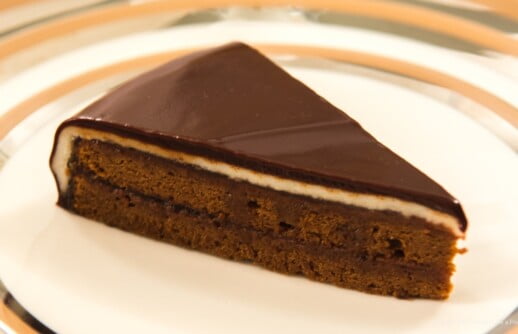
    This Chocolate Raspberry Marzipan Gateau is a prime example of French baking. I can't remember where this comes from, certainly I did not come up with it. The three hole paper is turning yellow with age so it has to be when I was learning and becoming interested in pastry as a profession.

    A note on the bottom says, "This is a wonderfully moist and flavorful combination." I love finding little notes on old recipes.

    [Read more...]

    Volume Conversion Chart for Liquids

    Modified: Jul 25, 2025 · Published: Jun 8, 2017 by Helen S Fletcher · This post may contain affiliate links · 2 Comments

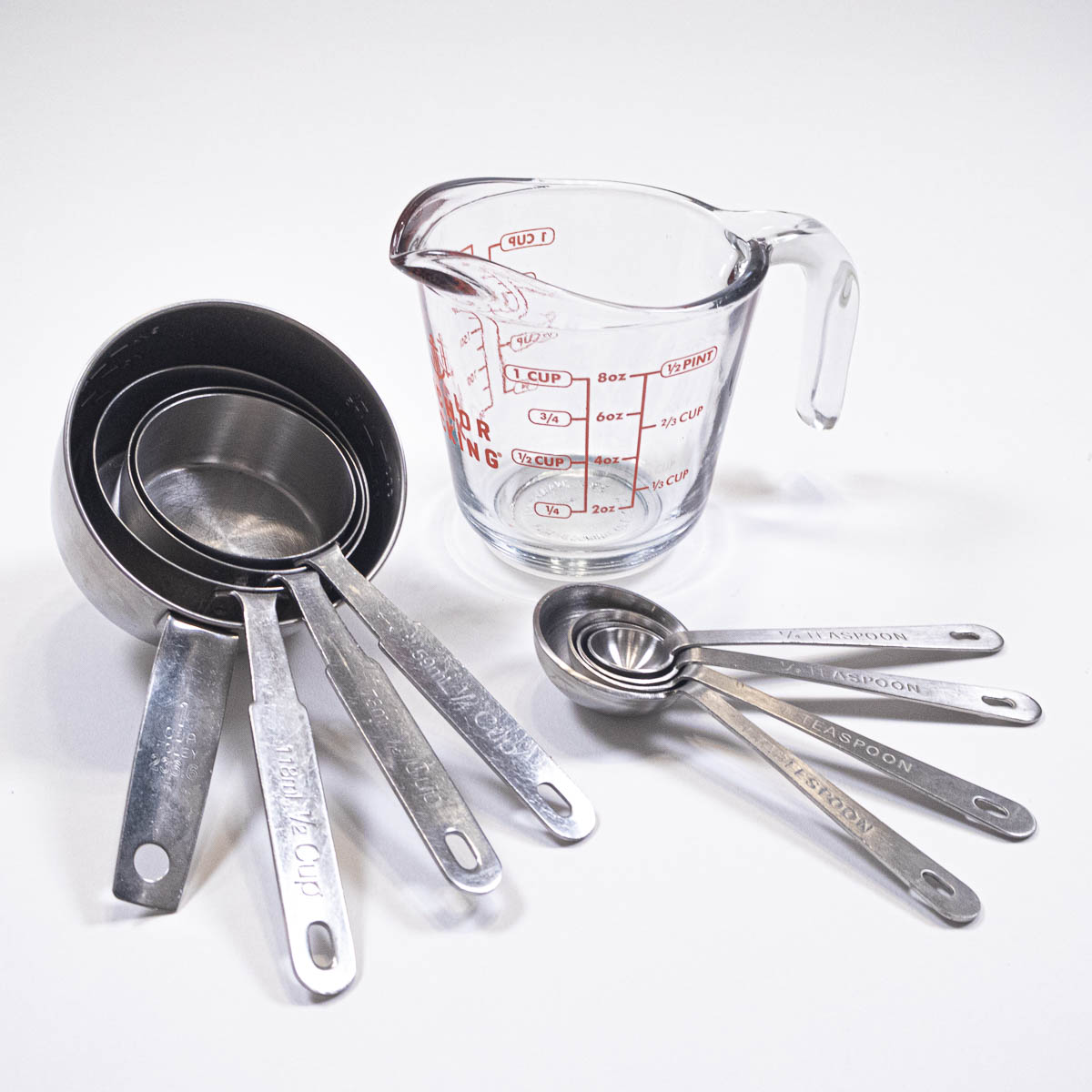
    Dry measuring cups with no lips, a wet measuring cup with a lip and a set of measuring spoons
    Dry measuring cups with no lips, a wet measuring cup with a lip and a set of measuring spoons

    Left to Right: Dry measuring cups, a glass wet measuring cup and a set of measuring spoons.

    There is a difference between fluid ounces and ounces. Fluid ounces refers to liquids so the weight doesn't matter if using gallon, quart, cup, or tablespoon measurements.

    Where confusion often comes in is that different liquids will weigh differently. For instance, a pint of water (2 cups) weighs 1 pound or 16 ounces or 454 grams. A pint of honey (2 cups) weighs 1 ½ pounds or 24 ounces or 680 grams.

    Measuring Cups and Spoons

    There are wet and dry measuring cups. The best wet measuring cup is one with a lip on it and a bit of room between the measurement and the top of the cup. This makes it easier to get an exact measure without overfilling or spilling.

    A dry measuring cup is used for just that. Anything that is dry. The item being measured comes to the very top of this cup. Overfilling the cup and then sweeping off the excess is the best way to use these. In some cases such as brown sugars, they are packed in these cups to get the correct measurement because they are more fluffy than granulated sugar. Flour is a problem depending upon how you get it in the cup. I don't recommend volume for cups but weight. See my post The Frustrating Facts about Measuring Flour for more information.

    Last, there are measuring spoons. Standard measuring spoons are 1 tablespoon, 1 teaspoon, ½ teaspoon and ¼ teaspoon. ⅓ teaspoon is a rounded ¼ teaspoon. However, some newer sets have included ⅓ and ⅛ teaspoons.

    Conversion Chart

    1 gallon = 4 quarts = 8 pints = 16 cups = 128 fluid ounces = 3.79 liters

    ½ gallon = 2 quarts = 4 pints = 8 cups = 64 fluid ounces = 1.89 liters

    ¼ gallon = 1 quart = 2 pints = 4 cups = 32 fluid ounces = .95 liters

    ½ quart = 1 pint = 2 cups = 16 fluid ounces = .47 liters

    ¼ quart = ½ pint = 1 cup = 8 fluid ounces = .24 liters or 16 tablespoons

    ¾ cup = 6 fluid ounces = .18 liters or 12 tablespoons

    ⅔ cup = 4 ⅔ fluid ounces = .16 liters or 10 tablespoons + 2 teaspoons

    ½ cup = 4 fluid ounces = .12 liters or 8 tablespoons

    ⅓ cup = 2.67 fluid ounces or .08 liters or 5 tablespoons + 1 teaspoon

    ¼ cup = 2 fluid ounces or .06 liters or 4 tablespoons

    ⅛ cup = 1 fluid ounce or .03 liters or 2 tablespoons

    Toasted Angel Food Cake, Roasted Strawberries and Balsamic Whipped Cream

    Modified: Jul 30, 2025 · Published: Jun 1, 2017 by Helen S Fletcher · This post may contain affiliate links · 3 Comments

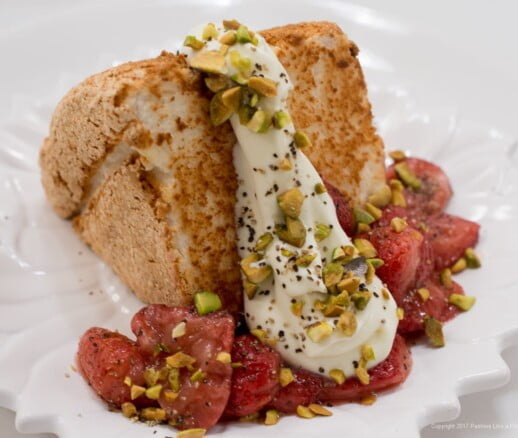
    Toasted Angel Food Cake with Roasted Strawberries
    Toasted Angel Food Cake with Roasted Strawberries

    Every once in a while, a recipe comes together and surpasses every expectation - Toasted Angel Food Cake, Roasted Strawberries and Balsamic Whipped Cream is that recipe.  Now I am the first to admit it is a different take on every component in the dessert.  But let's take a look at those components.

    What if I told you an Angel Food Cake can be made without the dreaded folding in of flour and sugar which can deflate the whites making a denser, less airy cake.  I love Angel Food Cake for its light, moist,melt in your mouth texture. It is snow white and has an ethereal quality to it, hence the name.  

    The recipe I am giving you here is from my bakery.  It is the tallest, lightest, best angel food cake I have ever had.  I wish I could take credit for it but I can’t.  It came in a General Mills baking flyer they sent to bakeries many years ago.

    [Read more...]

    Blueberry Crumb Coffeecake

    Modified: May 8, 2023 · Published: May 25, 2017 by Helen S Fletcher · This post may contain affiliate links · 22 Comments

    Blueberry Crumb Coffee Cake

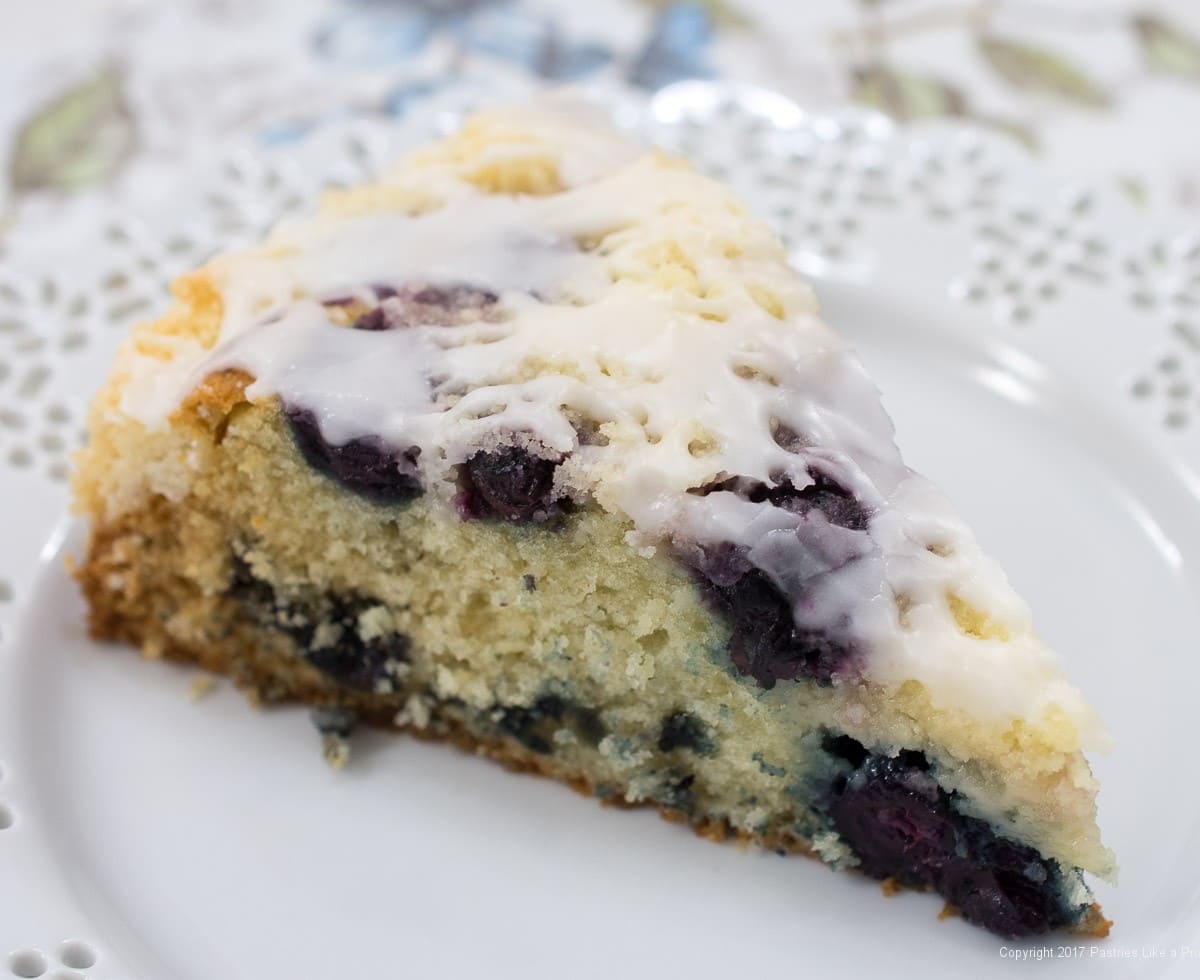
    You're going to love this Blueberry Crumb Coffee Cake because it has everything going for it. It is super easy, beautiful to look at and better to eat.  One of the things I most love about this coffee cake is that it is not overwhelmingly sweet.

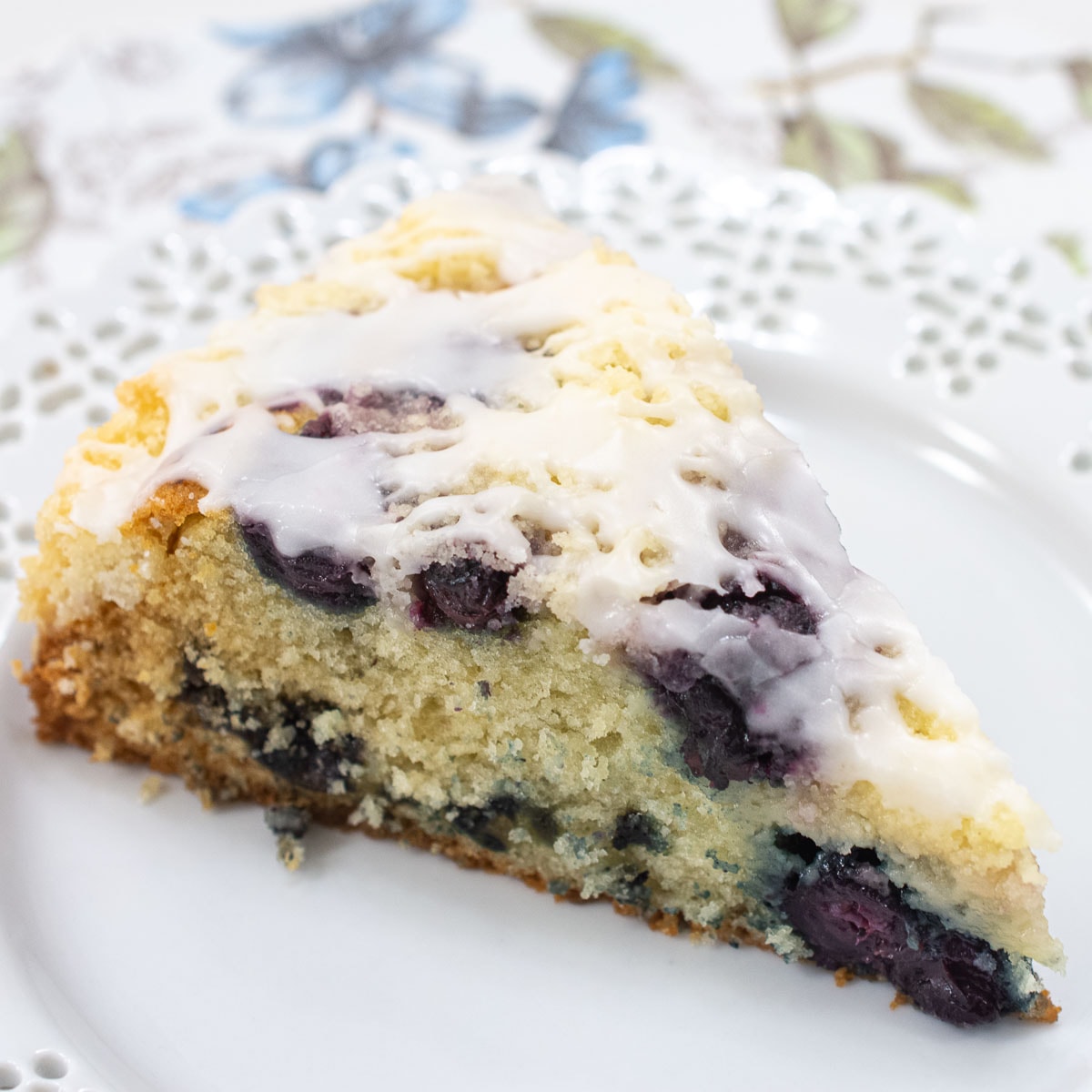
    A slice of blueberry crumb coffeecake on a white plate.

    One mixture makes the crumbs and forms the basis for the batter. This crumb cake can be mixed and in the oven in 20 minutes.

    [feast_advanced_jump_to]

    Why You'll Love This Recipe

    • It's super simple to make this blueberry coffee cake. Mix up the crumbs, reserve some for the topping and add the remaining ingredients to rest of the crumbs. Pan it and bake. That's it!
    • With the exception of the blueberries, you probably have all of the ingredients on hand.
    • The recipe uses frozen blueberries for the best looking result, so keep a bag in the freezer and this can be made anytime without much effort.

    Recipe Ingredients

    Coffee cake

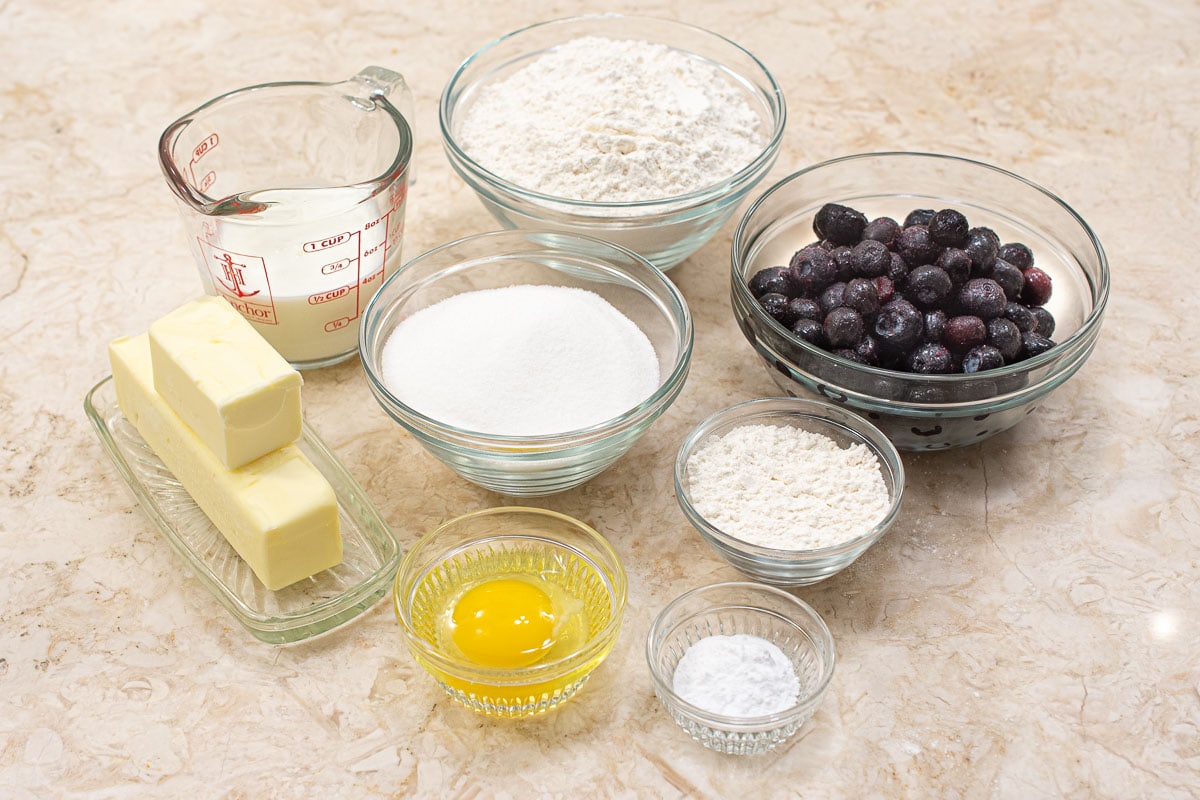
    Ingredients for the Blueberry Crumb Coffeecake include milk, flour, blueberries, baking soda, egg, and butter.

    CLOCKWISE: Buttermilk, all-purpose flour, blueberries, flour, baking soda, egg, unsalted butter, sugar in center.

    Lemon Glaze

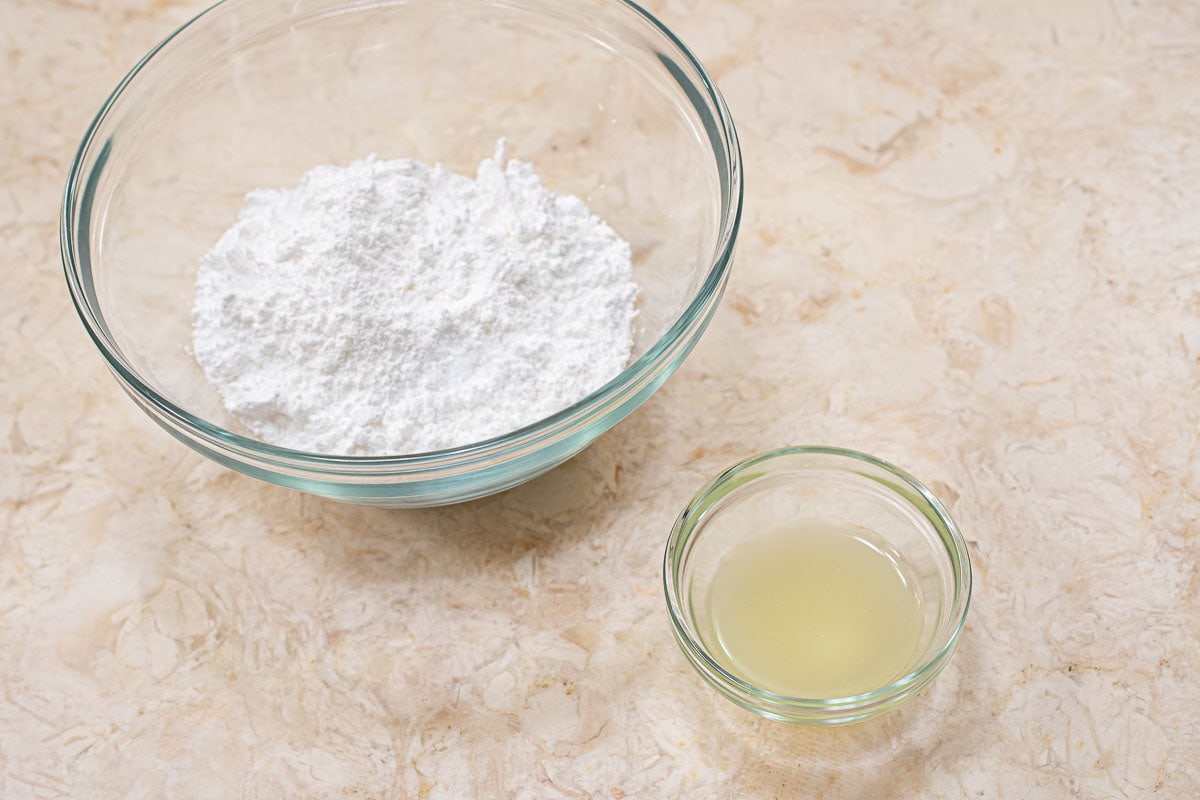
    Ingredients for the glaze are powdered sugar and lemon juice.

    LEFT TO RIGHT: Powdered sugar, lemon juice

    Variations

    • Wild blueberries are the best but extremely hard to find. So regular blueberries can be used.
    • Blackberries or red raspberries can be substituted for the blueberries.
    • 2 or 3 thinly sliced, peeled, and cored apples can replace the blueberries.
    • 1 teaspoon of cinnamon can be added to the crumbs if desired.
    • If you don't want to use the lemon glaze, simply dust with powdered sugar before serving.

    Be sure to see the recipe card below for the list of ingredients and instructions.

    Step by Step Instructions

    Crumbs

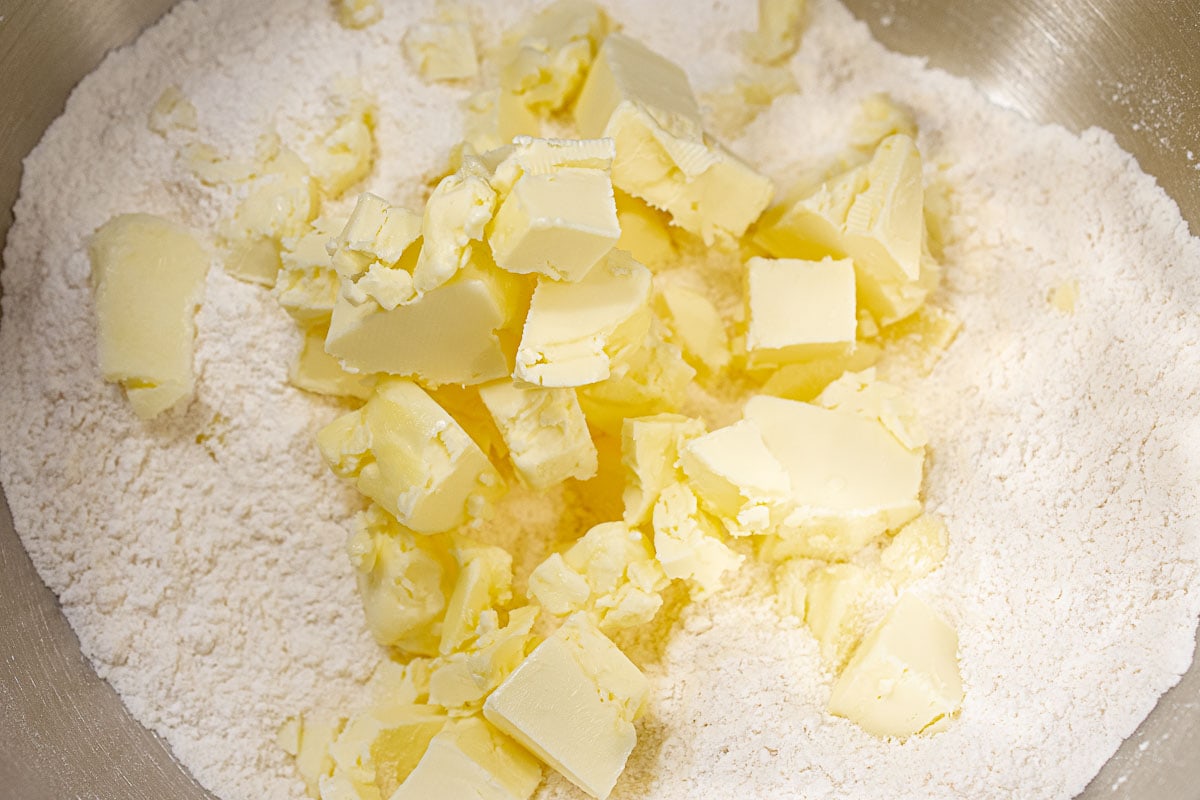
    Butter, flour, and sugar in a mixing bowl for the Blueberry Crumb Coffeecake

    Step 1. Place 2 cups of flour, butter and sugar in the bowl of a mixer.

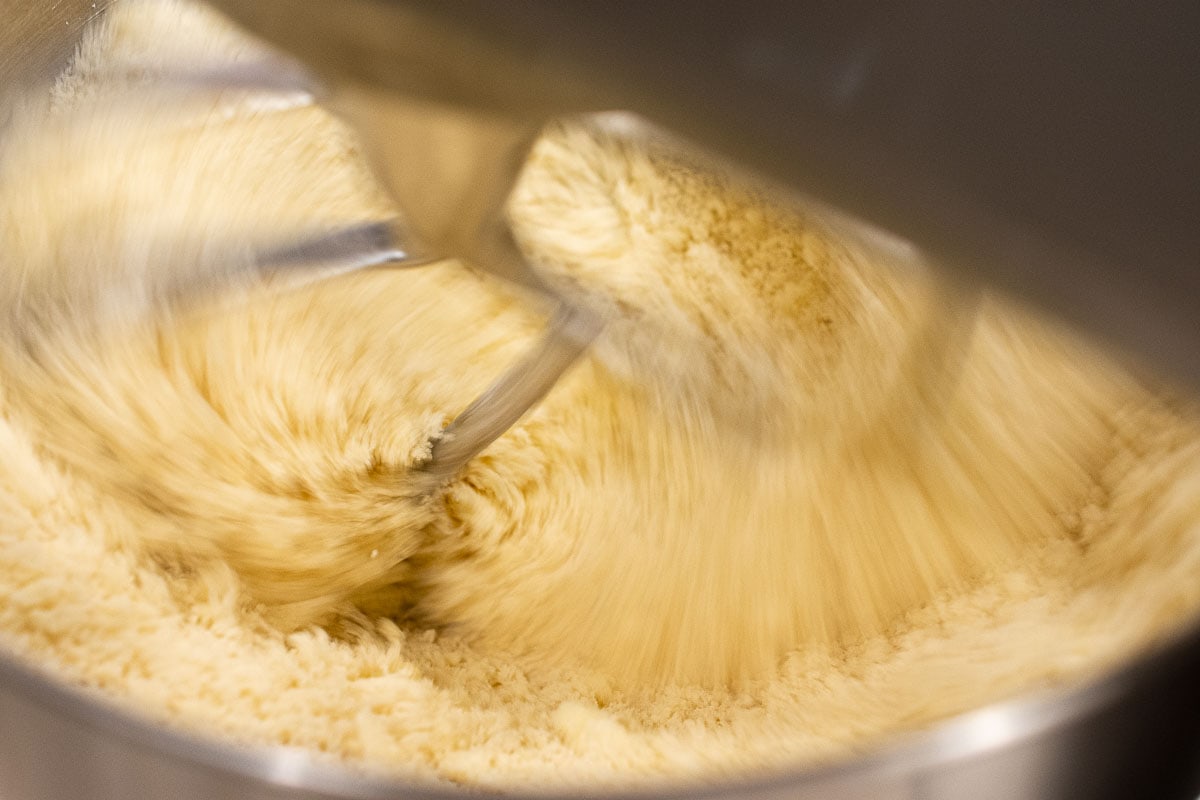
    Crumb mixture mixing in the mixer.

    Step 2. Beat the flour, butter, and sugar to form crumbs in the mixing bowl. They will be very fine.

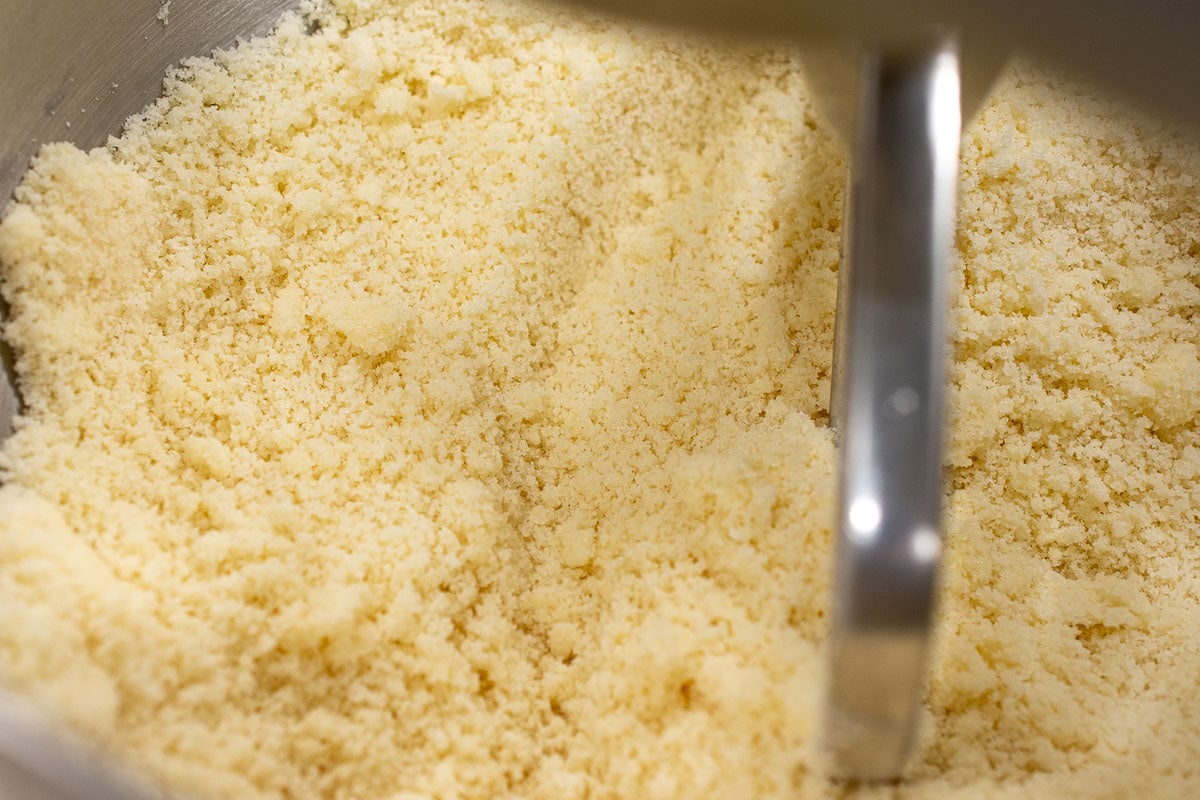
    Crumbs formed in the bowl of the mixer.

    Step 3. The crumbs are very fine and that is how they should be.

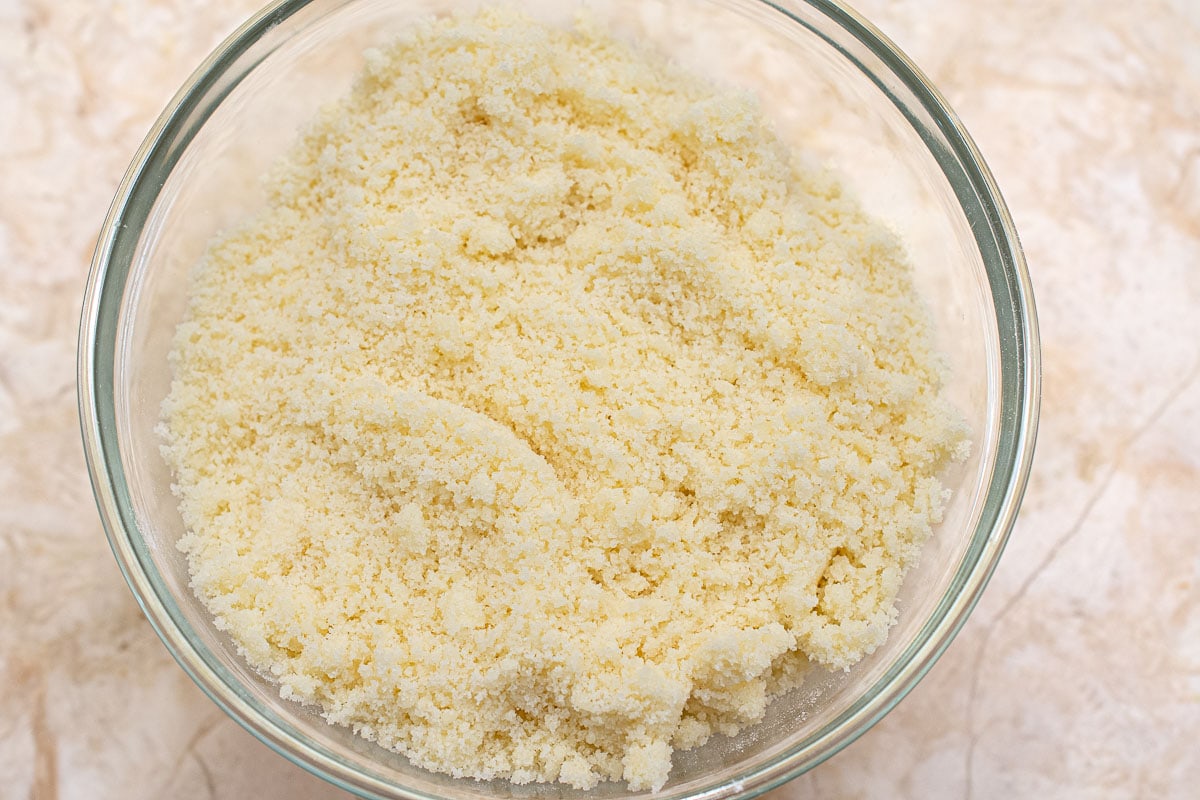
    Reserved crumbs in a bowl for the top of the coffecake.

    Step 4. Reserve ⅓ of the crumbs for the topping.

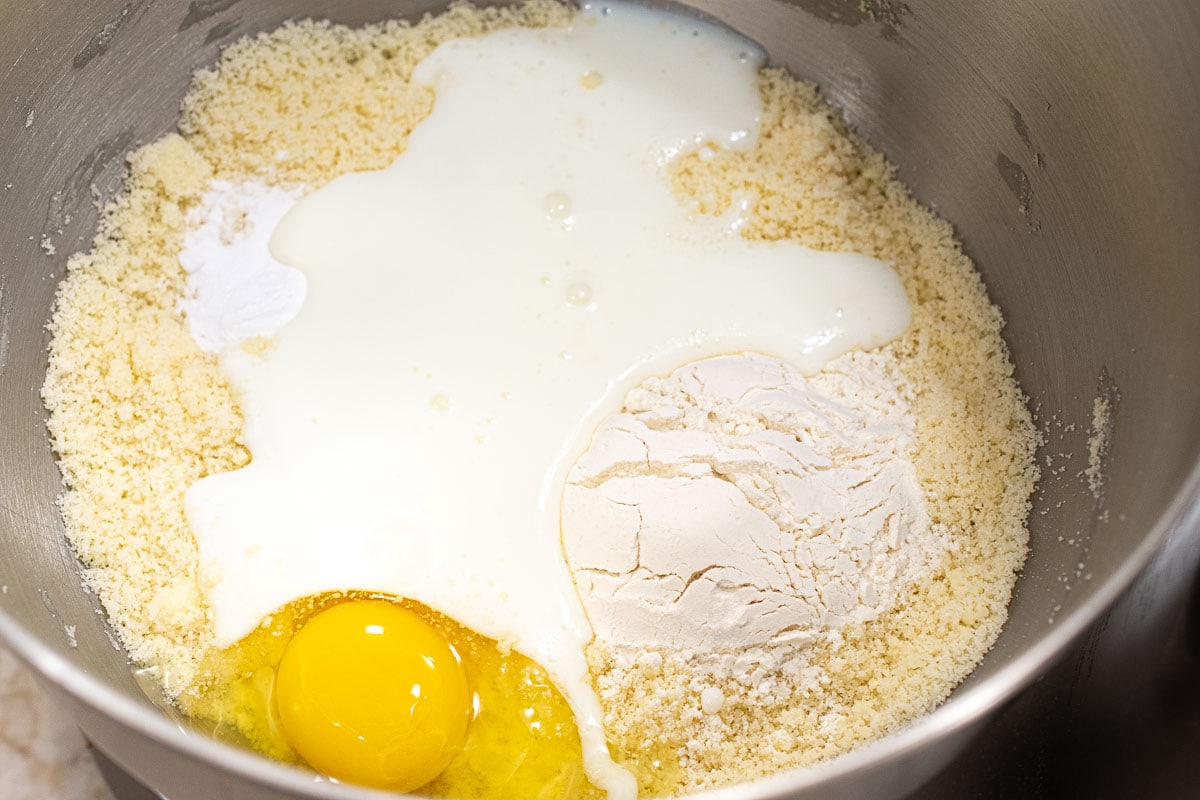
    The buttermilk, egg, and remaining ¼ cup of flour are added to the crumbs in the mixing bowl.

    Step 5. Add the remaining ¼ cup flour, baking powder, egg and buttermilk to the crumbs in the mixing bowl.

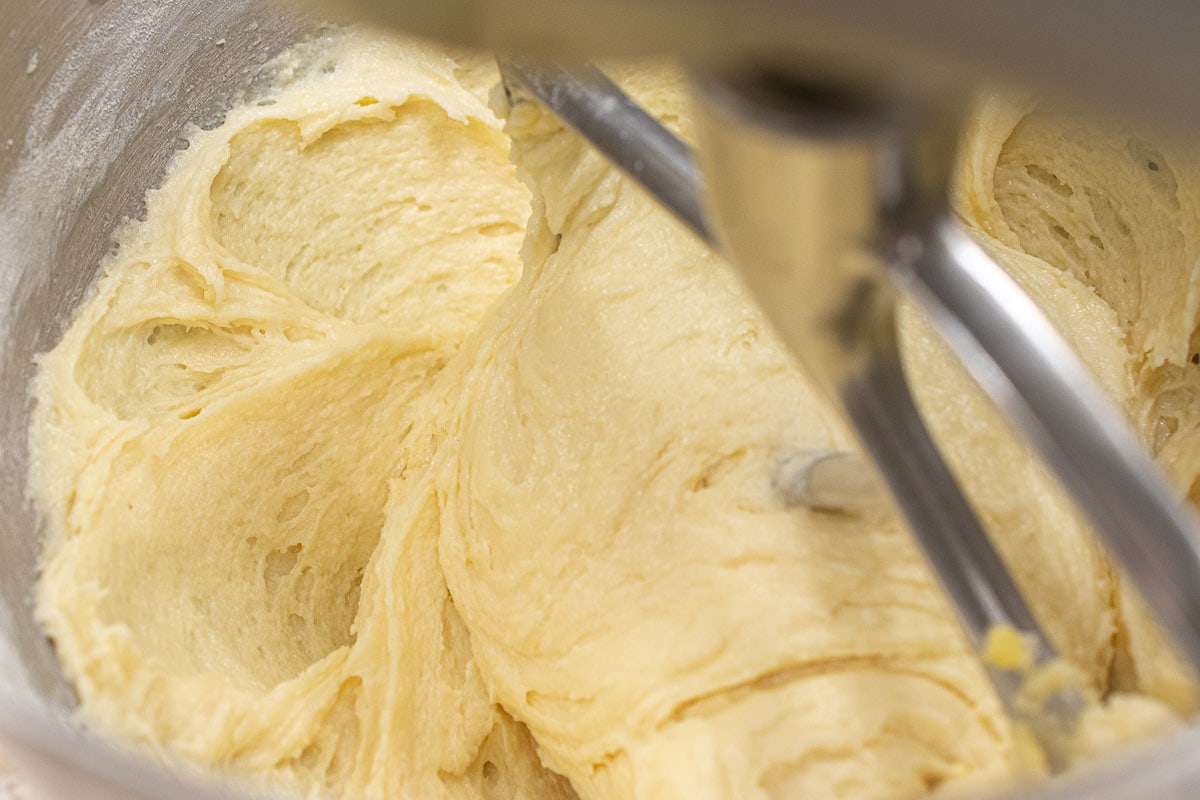
    The coffeecake batter beating in the mixing bowl.

    Step 6. Beat on low to moisten and then raise to medium and beat until combined and smooth.

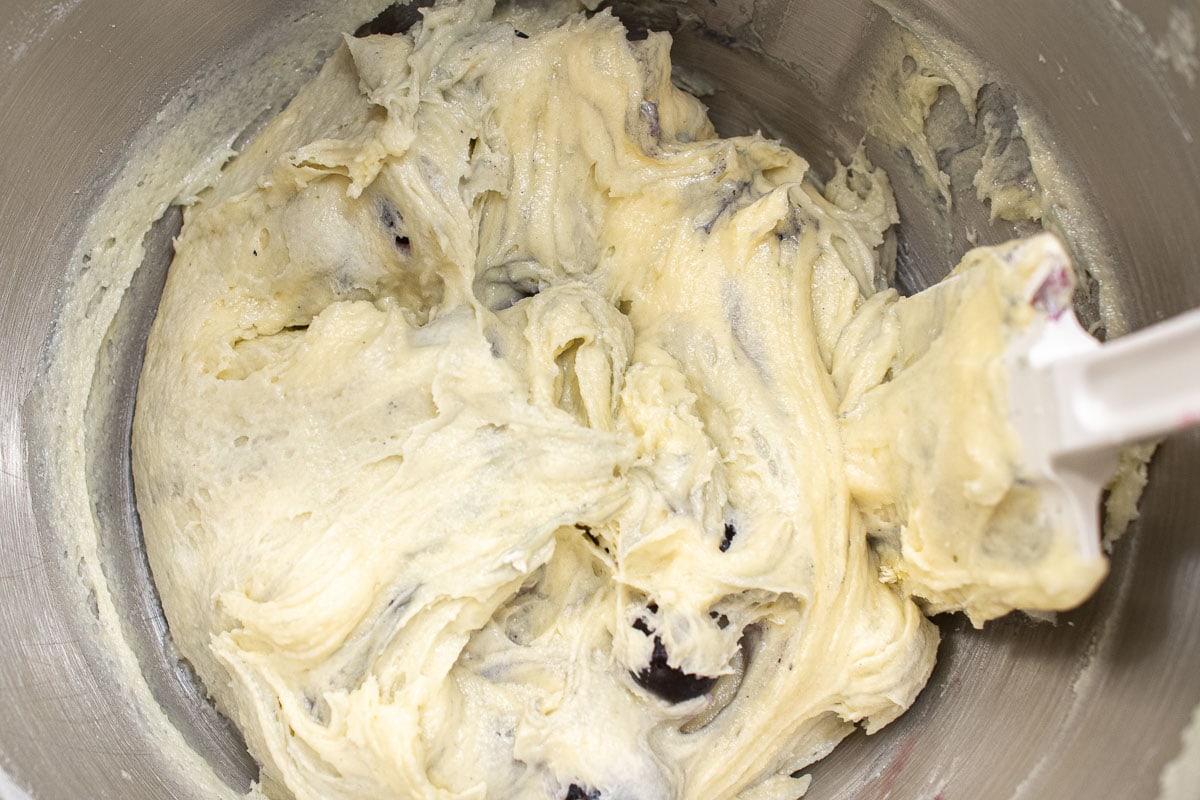
    Half of the blueberries are folded into the batter.

    Step 7. Fold half of the blueberries into the batter.

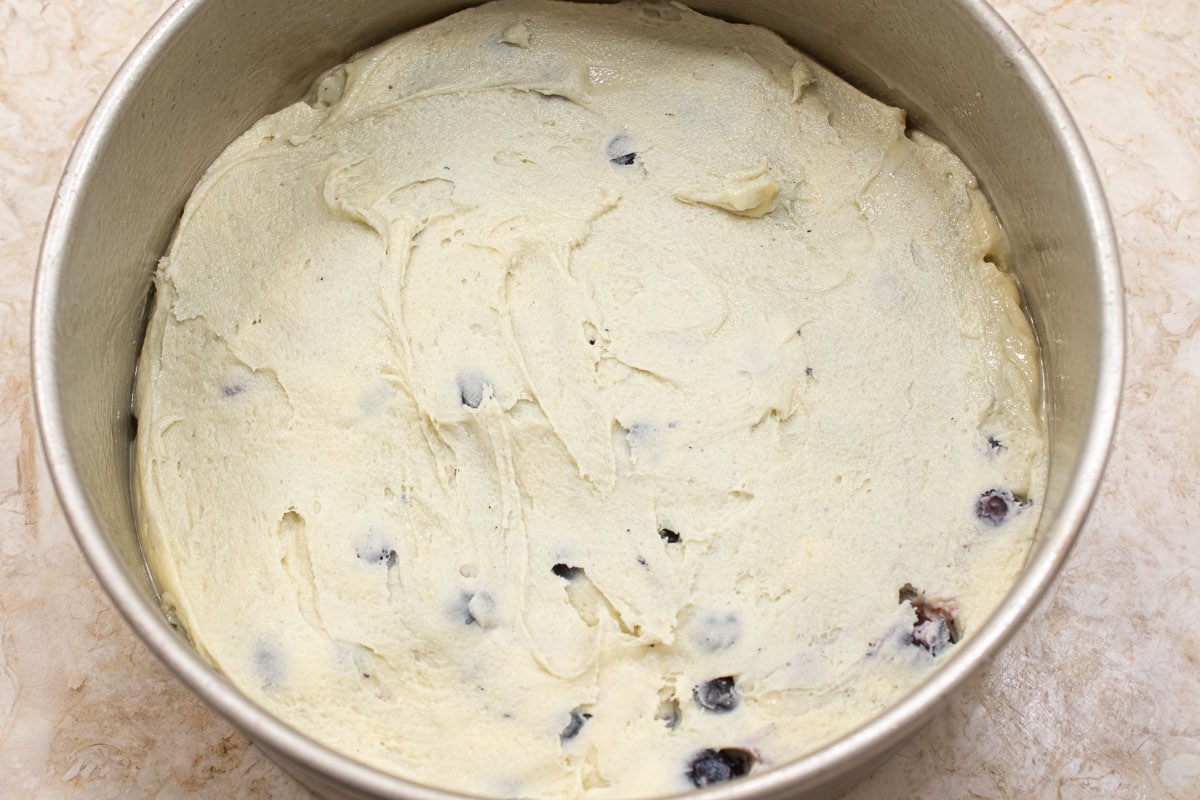
    The batter is spread into the baking pan.

    Step 8. Spread the batter into the prepared pan.

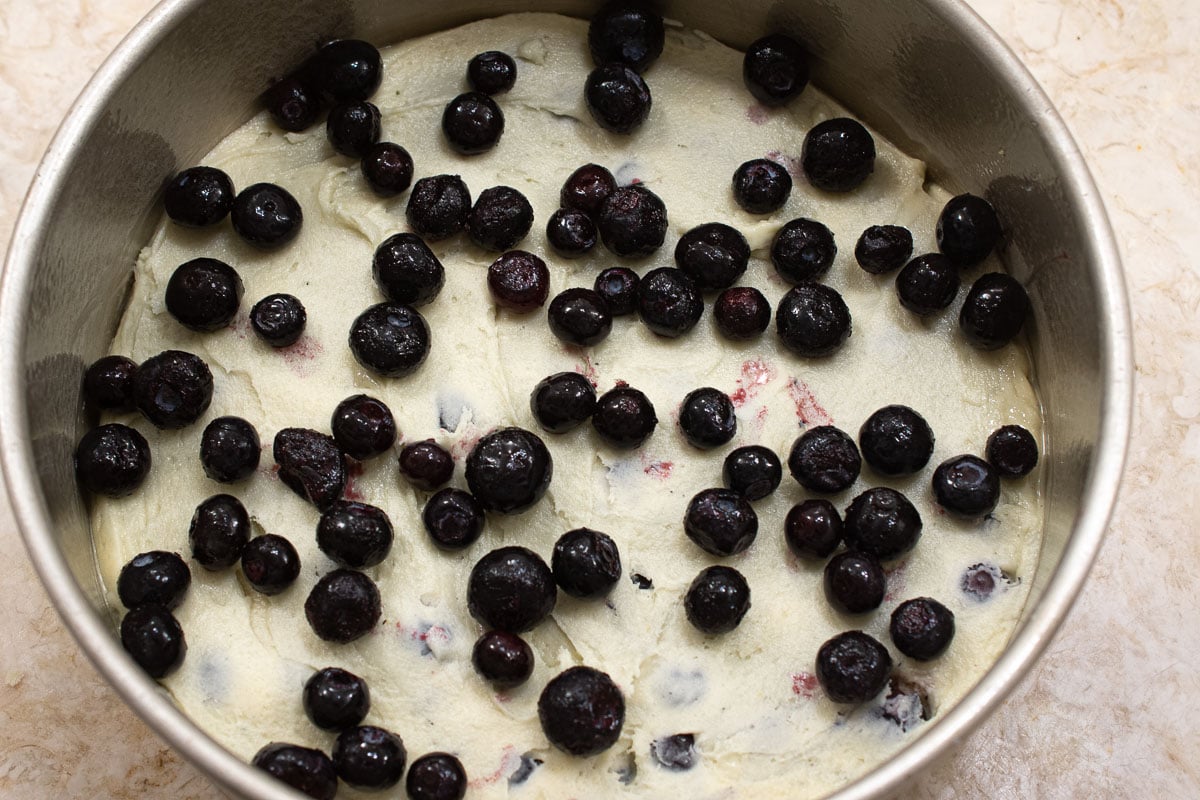
    The remaining blueberries are placed on top of the batter in the pan.

    Step 9. Place the remaining blueberries on top of the batter.

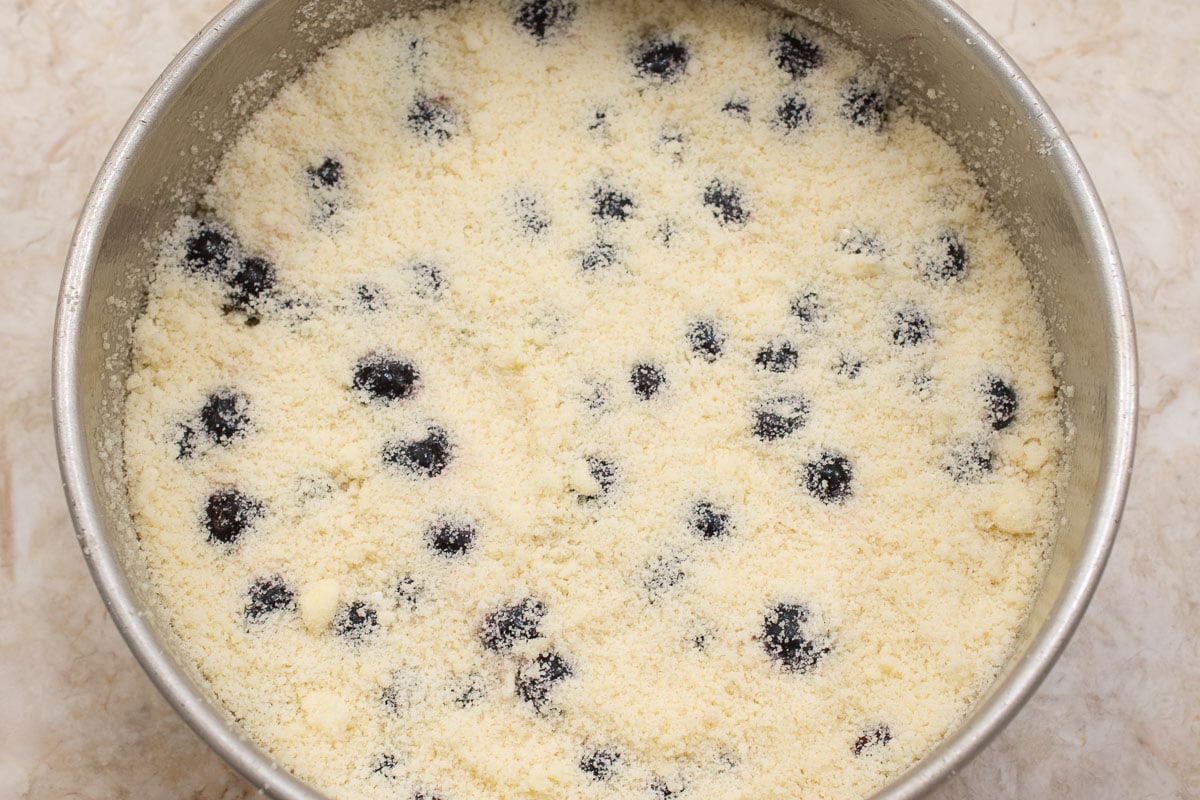
    The blueberries are covered with the reserved crumbs.

    Step 10. Cover the blueberries with the reserved crumbs.

    Lemon Glaze

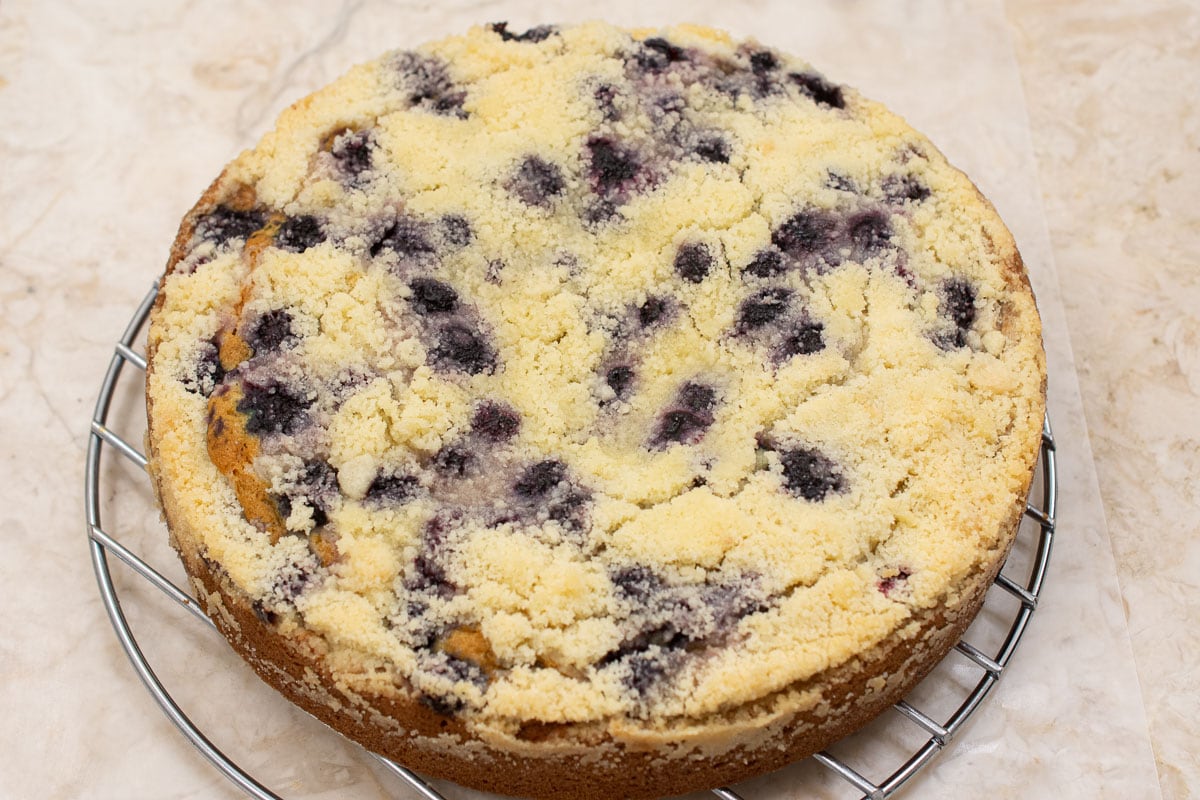
    The baked coffeecake is released from the pan and placed on a cake board.

    Step 1. Release the coffee cake after it has cooled and place itl on a rack.

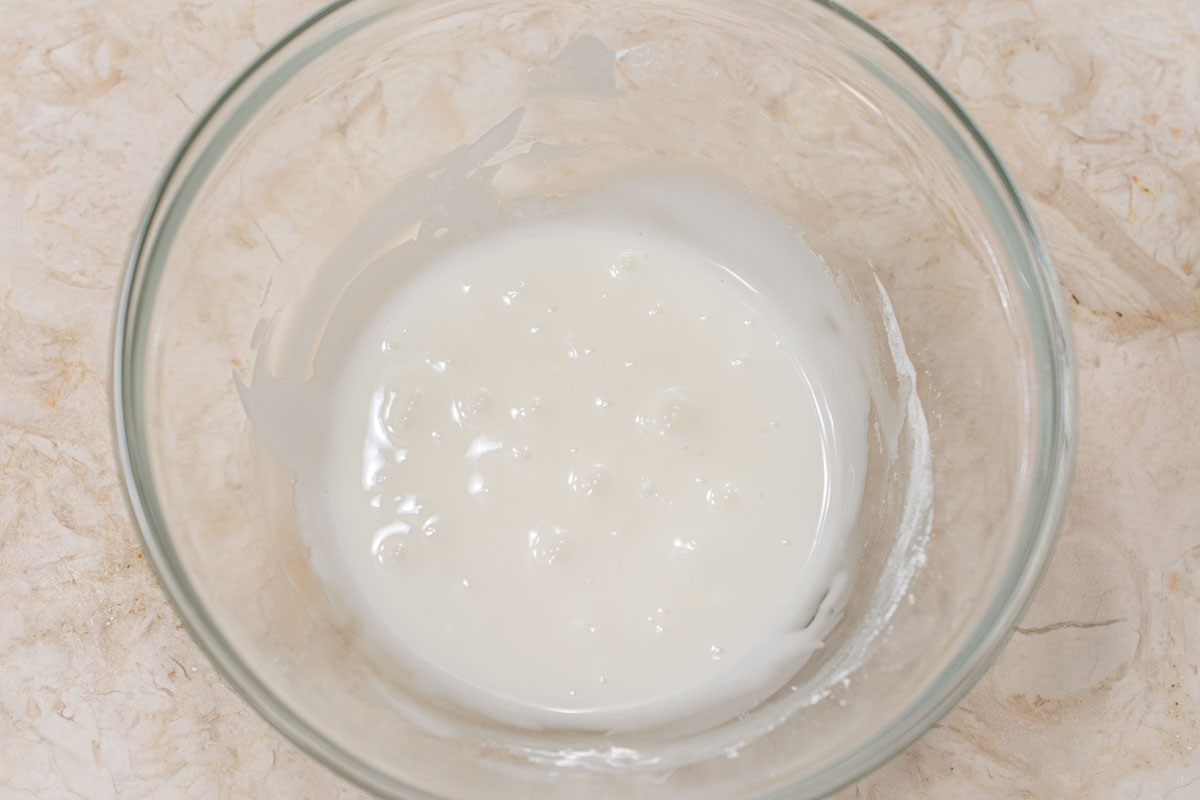
    The lemon juice and powdered sugar are mixed for the glaze.

    Step 2. Combine the lemon juice and powdered sugar to make the glaze.

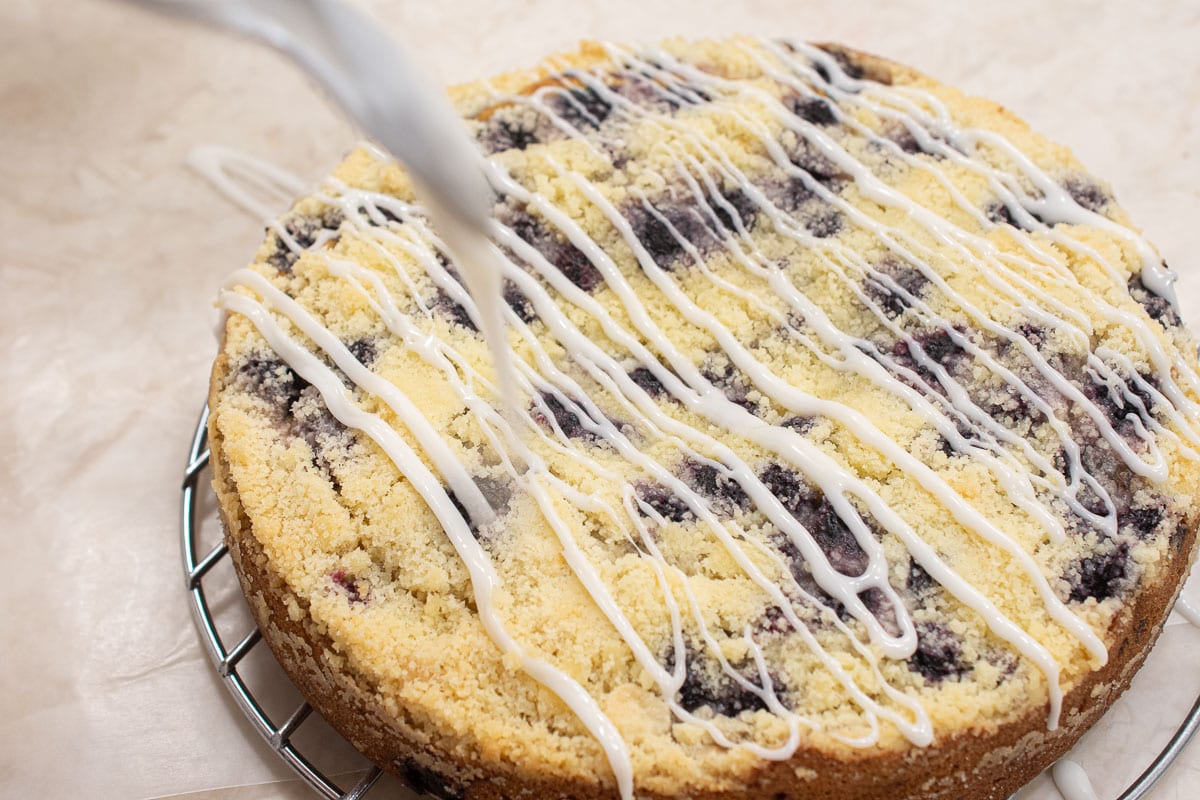
    Drizzling the glaze over the cake.

    Step 3. Place the rack over waxed paper or parchment and using a spoon, drizzle the glaze over the cake.

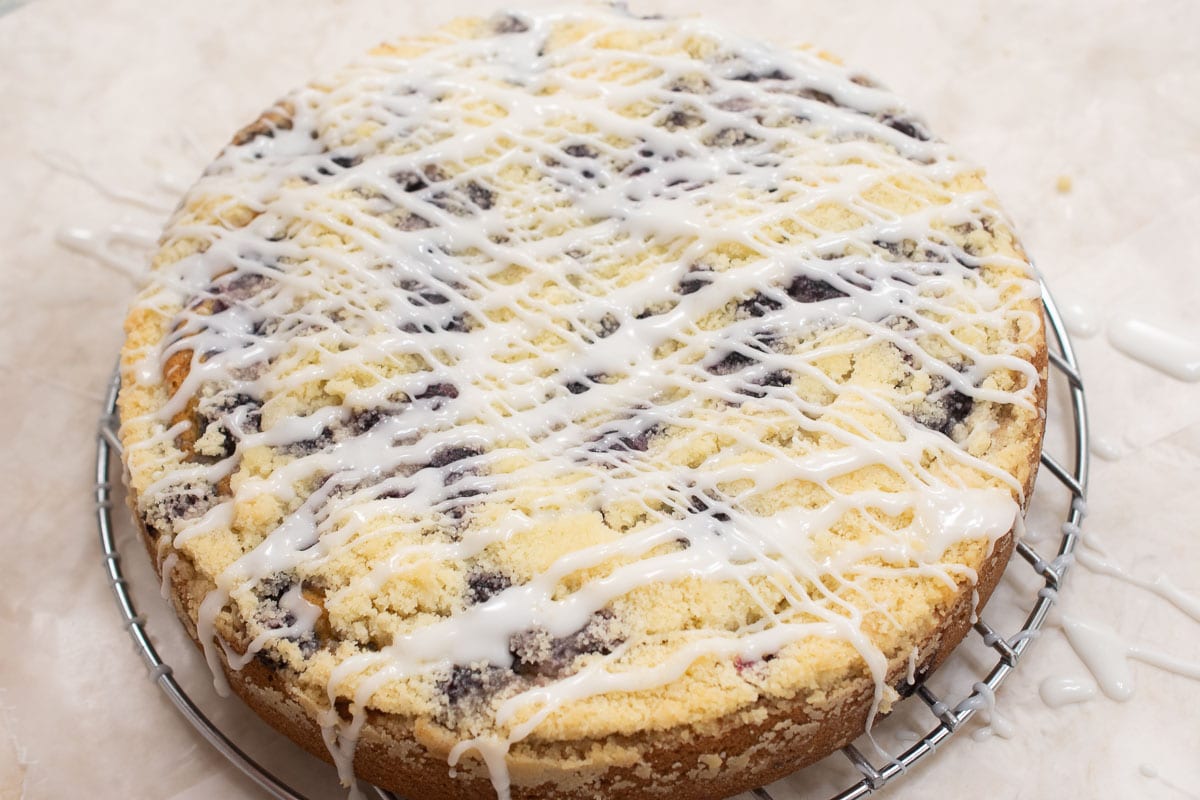
    The lemon glaze has been drizzled over the coffeecake in several directions.

    Step 4. Drizzle in various directions until all of it is used.

    Recipe FAQ's

    What is the Origin of Coffee Cakes?

    While we don't know for certain, but it is assumed that they originated in Germany. We do know they are European with names like gugelhupf which is German or kaffekuchen from Austria. However, the Danish came up with the earliest version of eating a type of sweet bread while drinking coffee, so coffee cakes really evolved from many different cultural traditions.

    Why is it best to use frozen berries in coffee cakes?

    Fresh berries break down faster when stirred into the batter and then baked making the batter an off color of gray which isn't very appetizing. Frozen berries stay in tact and don't discolor the dough so much.

    Why is it called coffee cake?

    Because originally it was made to accompany drinking coffee.

    Expert Tips

    • It is important that the butter be refrigerated cold when mixing with the flour. Otherwise, it could form a paste instead of crumbs.
    • It's important to use frozen berries even if they were bought fresh for the reasons stated above.
    • This can be made ahead.  Freeze it unwrapped.  As soon as it is frozen, wrap it well and keep frozen up to 3 months.  Thaw at room temperature, still wrapped. To refresh, warm in a 350°oven for about 15 to 20 minutes. Then glaze it.
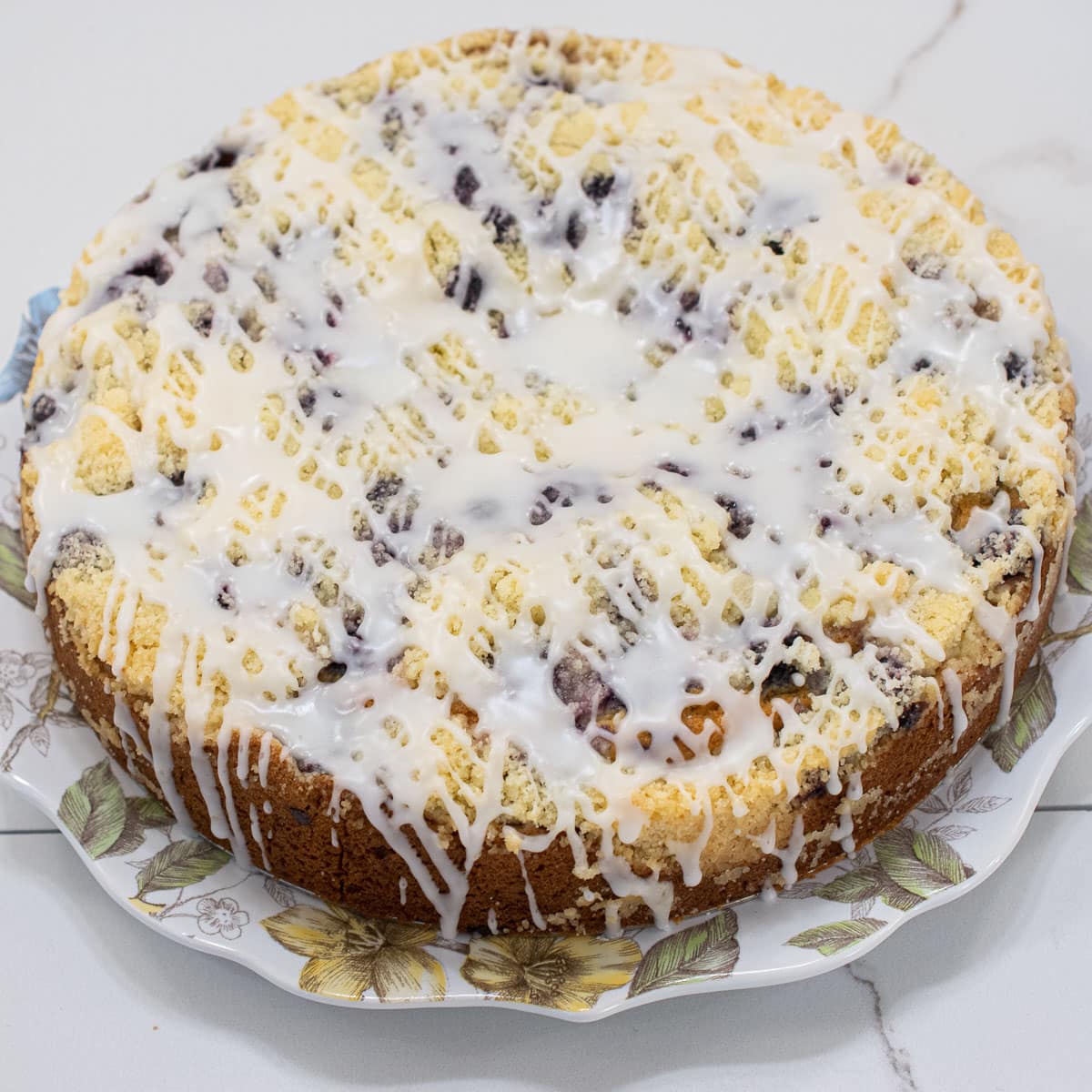
    The Blueberry Crumb Coffeecake on a serving plate.

    Here are some other easy, delicious coffee cakes.

    • Raspberry Ripple Coffeecake on a white plate with a cup of tea.
      Easily Made Raspberry Ripple Coffeecake
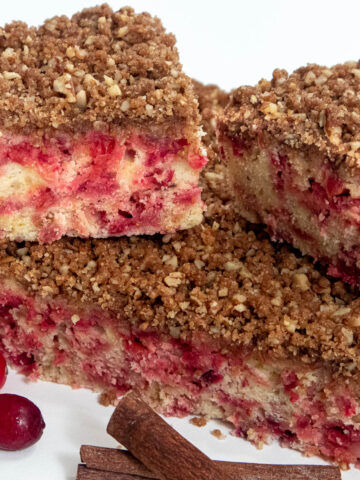
    • Squares of Cranberry Pecan Streusel Coffee Cake with cranberries and cinnamon sticks
      Cranberry Pecan Streusel Coffee Cake
    • Pina Colada Coffeecake
    • Apricot Slices
      Apricot Slices

    If you love this recipe, please consider giving it a star rating when you post a comment. Star ratings help people discover my recipes online. Your support means a great deal to me.

    Blueberry Crumb Coffee Cake

    Blueberry Crumb Coffee Cake

    Helen S. Fletcher
    You're going to love this Blueberry Crumb Coffee Cake because it has everything going for it. It is super easy, beautiful to look at and better to eat.  One of the things I most love about this coffeecake is that it is not overwhelmingly sweet.
    5 from 1 vote
    Print Recipe Pin Recipe
    Prep Time 20 minutes mins
    Cook Time 55 minutes mins
    Total Time 1 hour hr 15 minutes mins
    Course Coffee Cake
    Cuisine American
    Servings 12 servings
    Calories 314 kcal

    Equipment

    • 1 9 in cheesecake or springform pan
    Prevent your screen from going dark

    Ingredients

    Blueberry Crumb Coffeecake

    • 2 ½ cups all purpose flour, divided (315 grams or 11 ounces)
    • 1 cup sugar (200 grams or 7 onces)
    • ¾ cup butter , cold (170 grams, 6 ounces or 1 ½ sticks)
    • 1 teaspoon baking soda
    • 1 egg
    • ½ cup buttermilk
    • 9 oz frozen blueberries (255 grams)

    Lemon Glaze

    • 1 cup powdered sugar (130 grams or 4 ½ ounces)
    • 3 tablespoons lemon juice (plus more if needed)

    Instructions
     

    Blueberry Crumb Coffeecake

    • Preheat the oven to 350°F. Spray a 9" cheesecake pan or springform pan and set aside. Combine 2 cups of the flour and sugar in the bowl of a mixer.
    • Cut the butter into small pieces and add it to the bowl. Mix on low at first until most of the butter has been cut in. Raise the mixer and continue mixing until crumbs form. They will be fine and not large crumbs.
    • Remove ⅓ of the crumbs (210 grams or about 7 ounces)  and set them aside. Add the remaining ¼ cup flour, baking soda, egg and buttermilk to the remainder of the crumbs in the bowl. Beat on low to bring it together, then on medium to smooth it out.
    • Stir half of the blueberries into the batter. Spread it evenly in the pan.
    • Place the remainder of the blueberries over the top of the batter. Top with the reserved crumbs. Bake for 50 to 55 minutes until a tester comes out clean. The crumbs will be light in color.
    • Let cool before removing from the pan. Release it after it has cooled.

    Lemon Glaze

    • Combine the powdered sugar and lemon juice in a bowl and stir until smooth and of a consistency to be drizzled. If it is too thick, add a bit of lemon juice, if it is to thin, add a little more powdered sugar.
    • Place the cake on a rack over waxed or parchment paper for easy clean up. Drizzle one way, turn the cake and drizzle in the opposite direction. Continue turning the cake and drizzling until all of the glaze is used. Allow the glaze to set before serving.

    Notes

    • The cake may be frozen without the glaze. Wrap well after freezing. Thaw and then glaze.
    • Fresh or frozen berries can be used.  Do not thaw the frozen berries.  Use from the frozen state.
    • Any berry or a combination of berries can be substituted for the blueberries.
    • For maximumly even distribution of the blueberries, stir half into the batter and the layer the remaining half on top of the batter in the pan.

    Nutrition

    Serving: 1sliceCalories: 314kcalCarbohydrates: 48gProtein: 3gFat: 13gSaturated Fat: 8gPolyunsaturated Fat: 1gMonounsaturated Fat: 3gTrans Fat: 0.5gCholesterol: 45mgSodium: 199mgPotassium: 68mgFiber: 1gSugar: 29gVitamin A: 403IUVitamin C: 4mgCalcium: 22mgIron: 1mg
    Tried this recipe?Mention @helensfletcher or tag #pastrieslikeapro!

    International Flatbreads-An Easier Version of Pizza

    Modified: Jul 13, 2025 · Published: May 18, 2017 by Helen S Fletcher · This post may contain affiliate links · 14 Comments

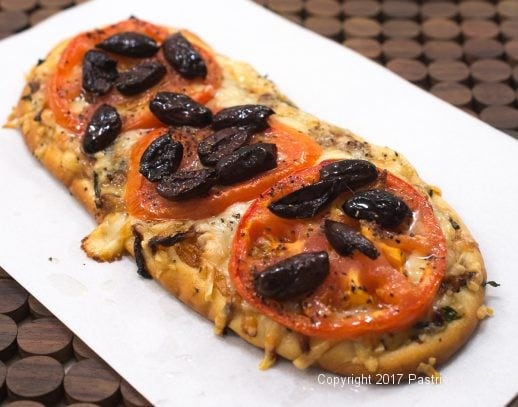
    International Flatbreads

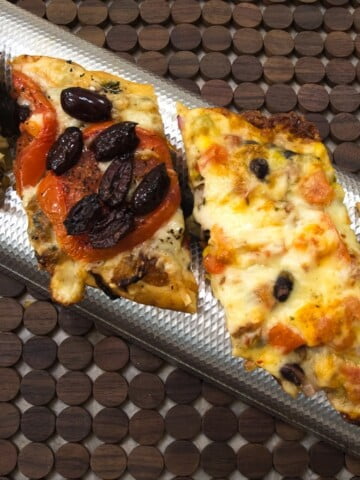
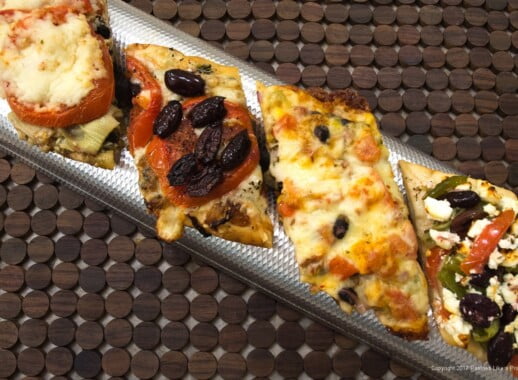
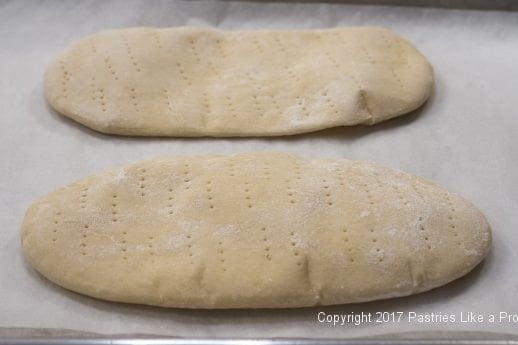
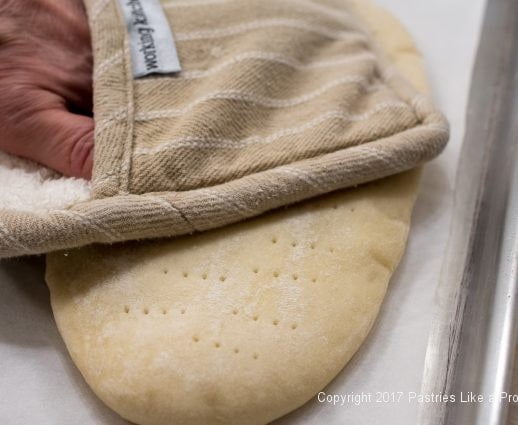
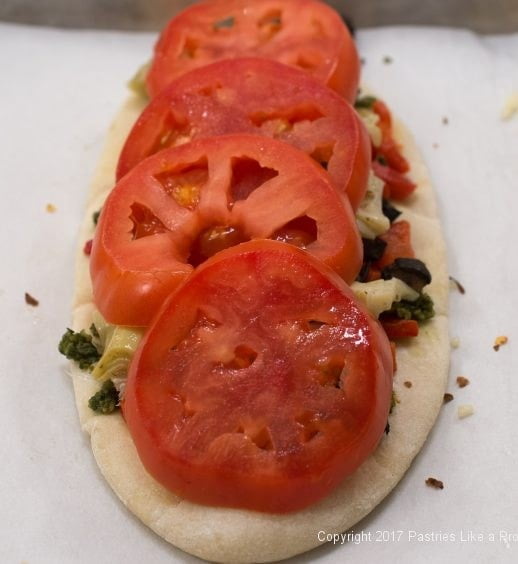
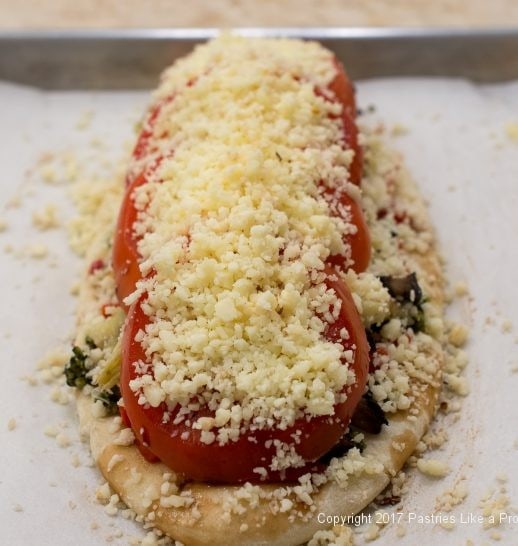
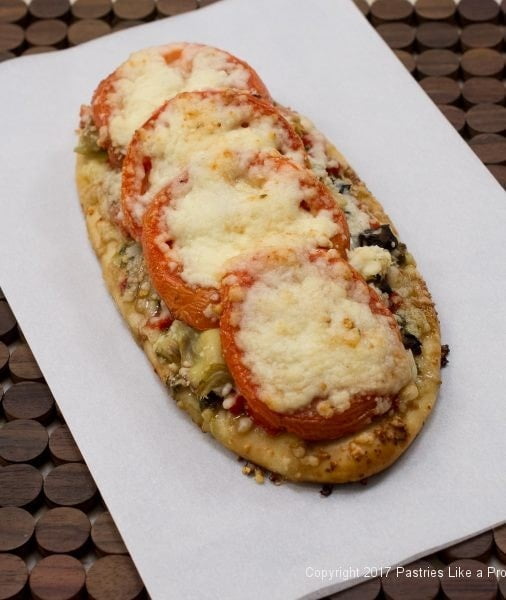
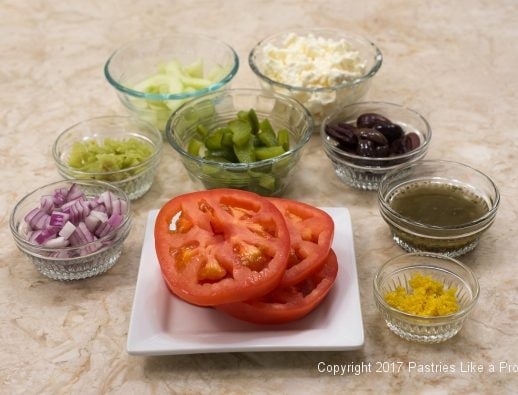
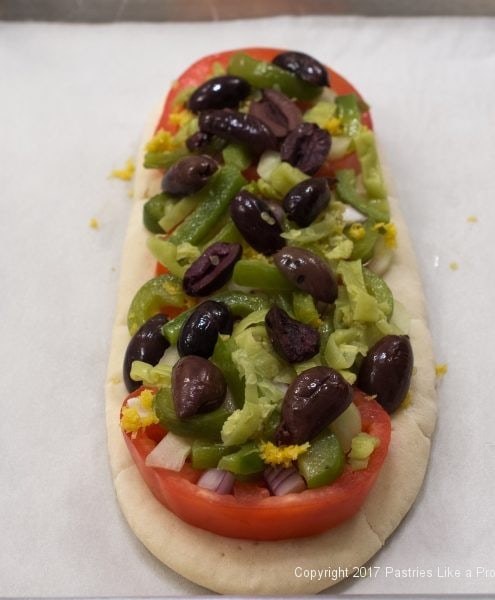
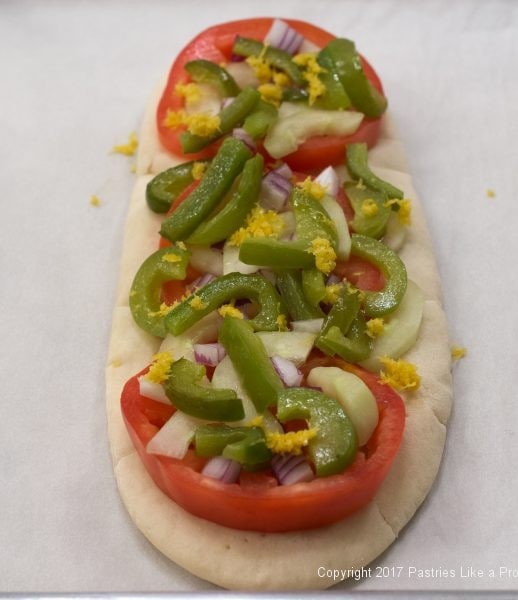
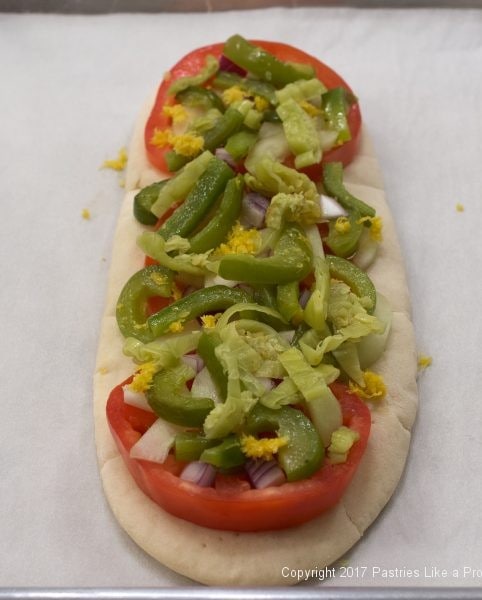
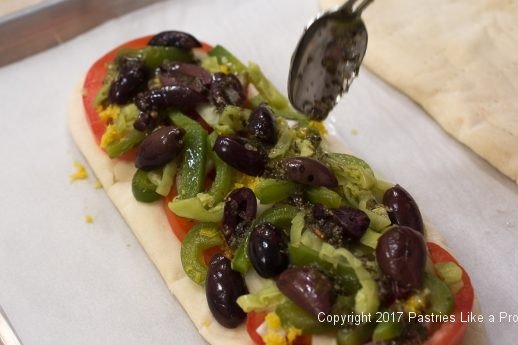
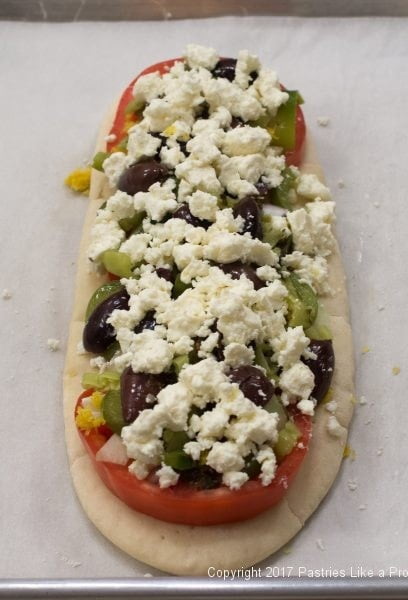
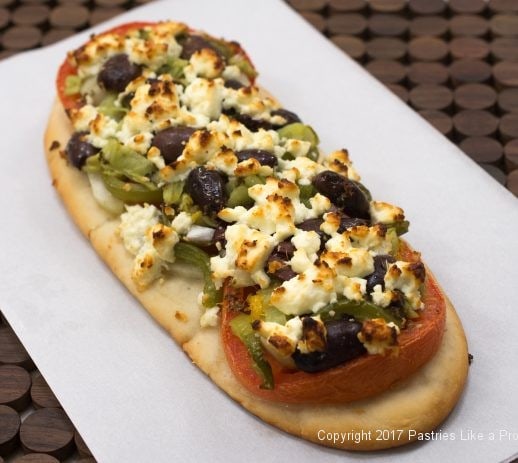
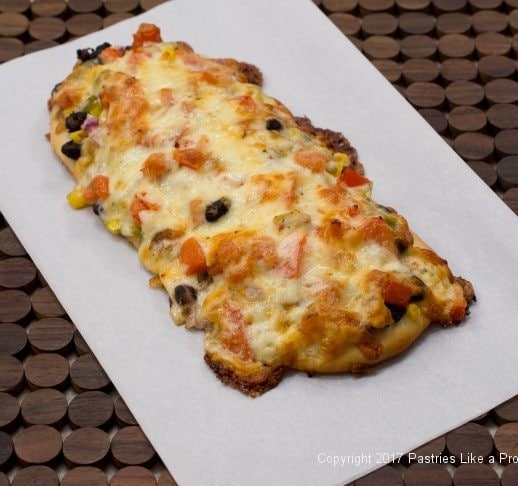
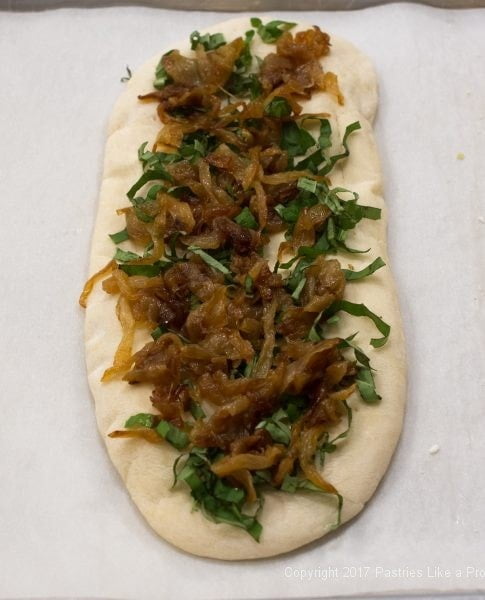
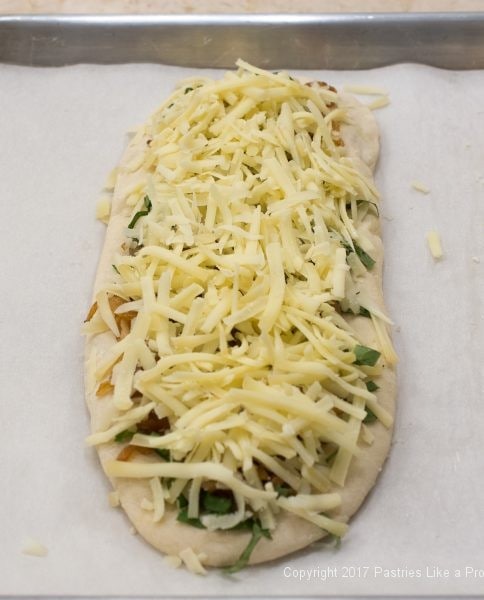
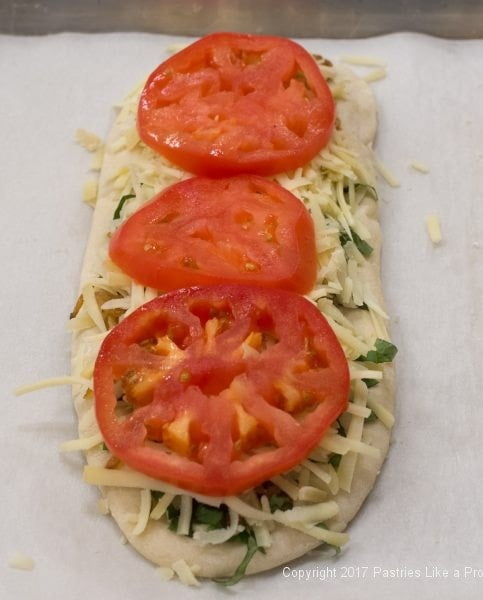
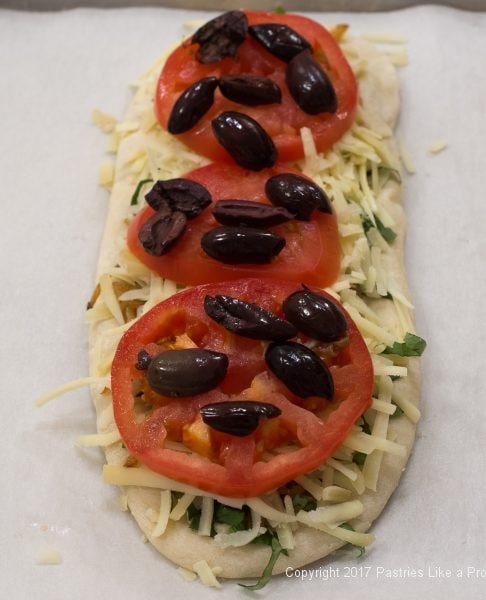
    International FlatbreadsThis International Flatbreads post started with my interest in exploring 00 flour. The recipe I chose to work with was for a pizza dough from Roberta's restaurant in New York. The recipe came from the New York Times.

    I suggest you get a cup of coffee, tea or whatever you drink, find a comfy chair and get ready to read this rather lengthy blog.

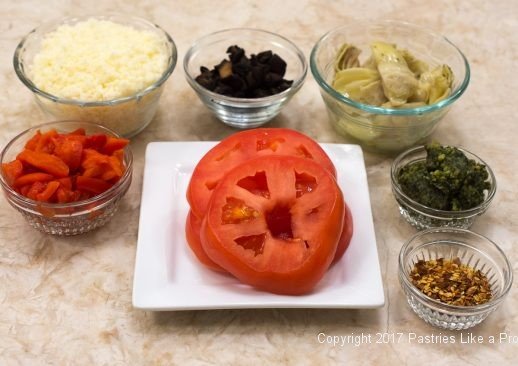
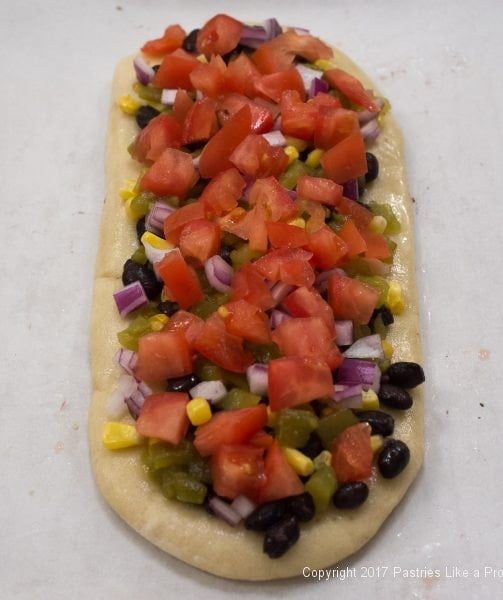
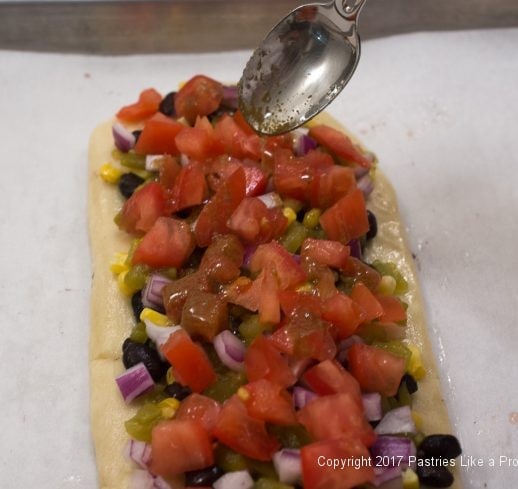
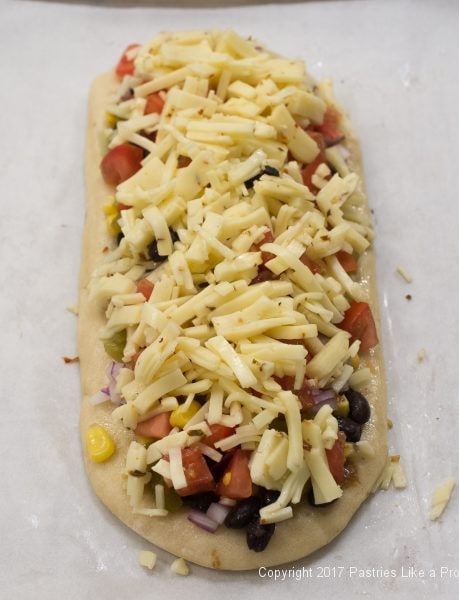
    Pizza my way is something I really love to make. It is simple and satisfying. But more than pizza I love flatbreads. The lack of a sauce allows the ingredients to come through with a power they can't otherwise.

    Anyway, back to the flour. The recipe calls for 00 flour, which has recently become the new darling of the flour world. So I went to my Italian grocer and bought a bag. I found the flour to be incredibly smooth and fine. I loved the feel and texture of it. [Read more...]

    Exceptional Mother's Day Cakes

    Modified: Jul 30, 2025 · Published: May 4, 2017 by Helen S Fletcher · This post may contain affiliate links · 13 Comments

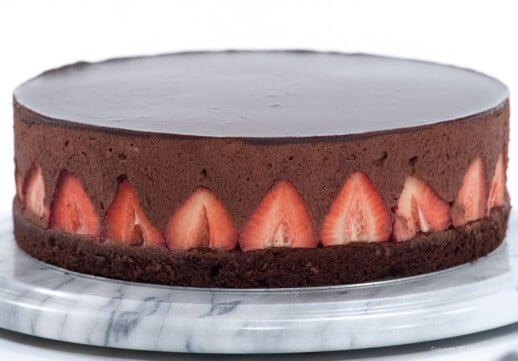
    Chocolate Strawberry Mousse Cake for Exceptional Mother's Day Cakes

    Chocolate Strawberry Mousse Cake for Exceptional Mother's Day CakesPresident Woodrow Wilson certainly knew what he was doing in 1914 when he finally got congress to designate the second Sunday every May as Mother's Day.  A special day set aside to honor mothers certainly calls for desserts worthy of that honor.

    I have selected six cakes that can be made in part or completely ahead.  As I am not a proponent of naked cakes, each is easy to finish so you won't be tied up fussing with frosting it.

    A quick note about freezing the cake layers.   Freeze them first, then wrap them completely in foil.  This will keep from smooshing the sides or tops of the tender cakes.

    I am posting this early to give you a chance to get one of these special Mother's Days cakes underway to honor your mother, grandmother or yourself. [Read more...]

    The Frustrating Facts about Measuring Flour

    Modified: Jul 25, 2025 · Published: Apr 27, 2017 by Helen S Fletcher · This post may contain affiliate links · 15 Comments

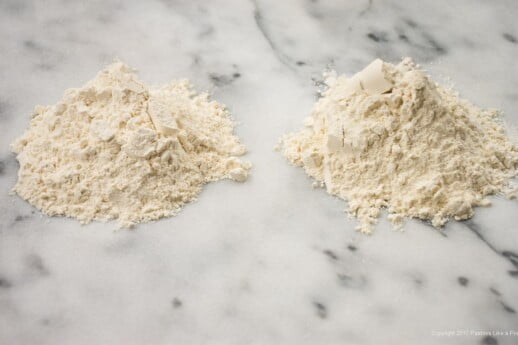
    flour for The Frustrating Facts of Measuring Flour

    flour for The Frustrating Facts of Measuring FlourA question in a food group I belong to about measuring flour by weight has sent me on a quest to find out how much a cup of flour weighs. Unfortunately, there is no simple answer, no one answer fits all.  And yet, correctly measuring flour is essential for the best outcome of baked goods.

    The problem with measuring flour by volume is flour can be aerated differently. It can be sifted, stirred and fluffed, all of which yield a different weight.

    What makes recipes particularly frustrating is that everyone seems to have their own way of measuring flour. And they are all correct because it depends upon how each person measures  flour. The reason for stirring the flour is that, although it is pre-sifted, it becomes compacted in the bags as it is packed and shipped. However, how much it is stirred can alter the outcome.

    To begin with, it depends upon what flour you are measuring and how you are measuring a cup. Older cookbooks will have you sifting flour in a cup before using it. This will yield a lesser weight than the present day scoop method which entails lightly stirring the flour in it's container and then scooping a cup. However, if you are an avid stirrer you may have less flour than if you barely stir.  If you stir the flour then spoon it into the measuring cup that is a different weight.

    It also depends upon what flour you're measuring. All purpose and bread flour generally weigh the same. Cake flour is lighter and weighs less.

    I told you this was frustrating.

    To make matter worse, David Lebovitz, whom I follow, posted that he has his own weight conversions and recommended King Arthurs's conversion chart which is 120 grams per cup of their all purpose or bread flour. That is 20 grams off of the normal 140 grams or 5 ounces per cup that most professionals use as standard. I contacted both David and King Arthur Flour. David uses the 140 grams or 5 ounces. King Arthur also responded and said they had an entire video devoted to how they weigh flour for their recipes. Their weight is close to the sifted weight of all purpose or bread flour and for good reason.  They lighten the flour by tossing it with the scoop quite a few times.  They then spoon it into the cup - hence 20 grams less than the stir and scoop method.

    I checked out several professional books and I contacted the  Culinary Institute of America to see what they suggest. They, along with other sources, told me they go strictly by weight so have no idea what a cup weighs. Makes sense as they use formulas as opposed to recipes. So while we are on the subject, lets look at the difference between recipes and formulas.

    One of the best descriptions of the difference between a recipe and a formula comes from the blog CuliNex at https://non www.culinex.biz/blog/culinex-news-events/post/why-you-need-know-the-difference-between-a-recipe-and-a-formula which states:

    "A recipe is a set of ingredients and instructions needed to make a food item. The results vary from batch-to-batch and person-to-person based on the inherent inaccuracies such as human error and measuring in volume rather than by weight. Home cooks and restaurants use recipes.

    A formula is a fixed set of specific ingredients listed in percentage by weight and processing instructions that have been standardized to consistently make a food item. All of the ingredients in a production formula total 100 percent, so the formula can easily be scaled up or down depending on production demands. Food product developers and manufacturers use formulas."

    What I can suggest is that you follow the weights listed in any recipe you are making as that is what they used no matter who has a different measurement.   Weights are always best and I am known for beating the drum for every baker to have a scale and use it. It is faster, easier and definitely more foolproof.

    My post on Measuring for Baking  as well as   Flour as Used in Baking has additional information that is useful.

    Easy Lightened Creme Brulee

    Modified: Jul 25, 2025 · Published: Apr 17, 2017 by Helen S Fletcher · This post may contain affiliate links · 2 Comments

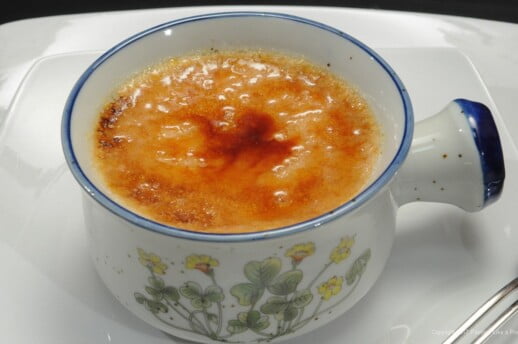
    Lightened Creme Brulee

    Lightened Creme BruleeCreme Brulee in French means “burned cream”. As much as I love rich foods, the thought of eating heavy cream and egg yolks (more fat) is too much even for me. However, loving everything of the brulee/flan/pudding family I wanted to find a way to still enjoy this dessert. The cream brulee under the crackling sugar coating can still be enjoyed but with a lighter touch. If you can find Tahitian vanilla, use it by all means for an unforgettable flavor. It can be found on the internet. If not, look for Madagascar vanilla to get the most flavor.

    I have seen recipes that talk about creme brulee as being a mystical, magical recipe to follow.  I'm not sure what they are talking about.  This is so easy, I didn't even provide how to photos.  Basically you whisk everything together, put in in a waterbath, bake and chill.  However, my post "Milk Chocolate Creme Brulee" post has photos to guide you should you wish. [Read more...]

    Make Ahead Breads For Easter

    Modified: Apr 13, 2017 · Published: Apr 12, 2017 by Helen S Fletcher · This post may contain affiliate links · 7 Comments

    Croissant for Five Make Ahead Breads for Easter

    Easter is a special time of year bringing joy to so many people around the world and Easter breads are distinctive.  Breads are of particular interest during this holiday with many nations having their own bread associated with this holy day.  I have collected these breads, sweet and savory from previous blogs that should fit right in.  There are breads for breakfast, brunch and dinner and there is time to make any of them.

    All of them can be made ahead and frozen to ease the time crunch for Easter Day.

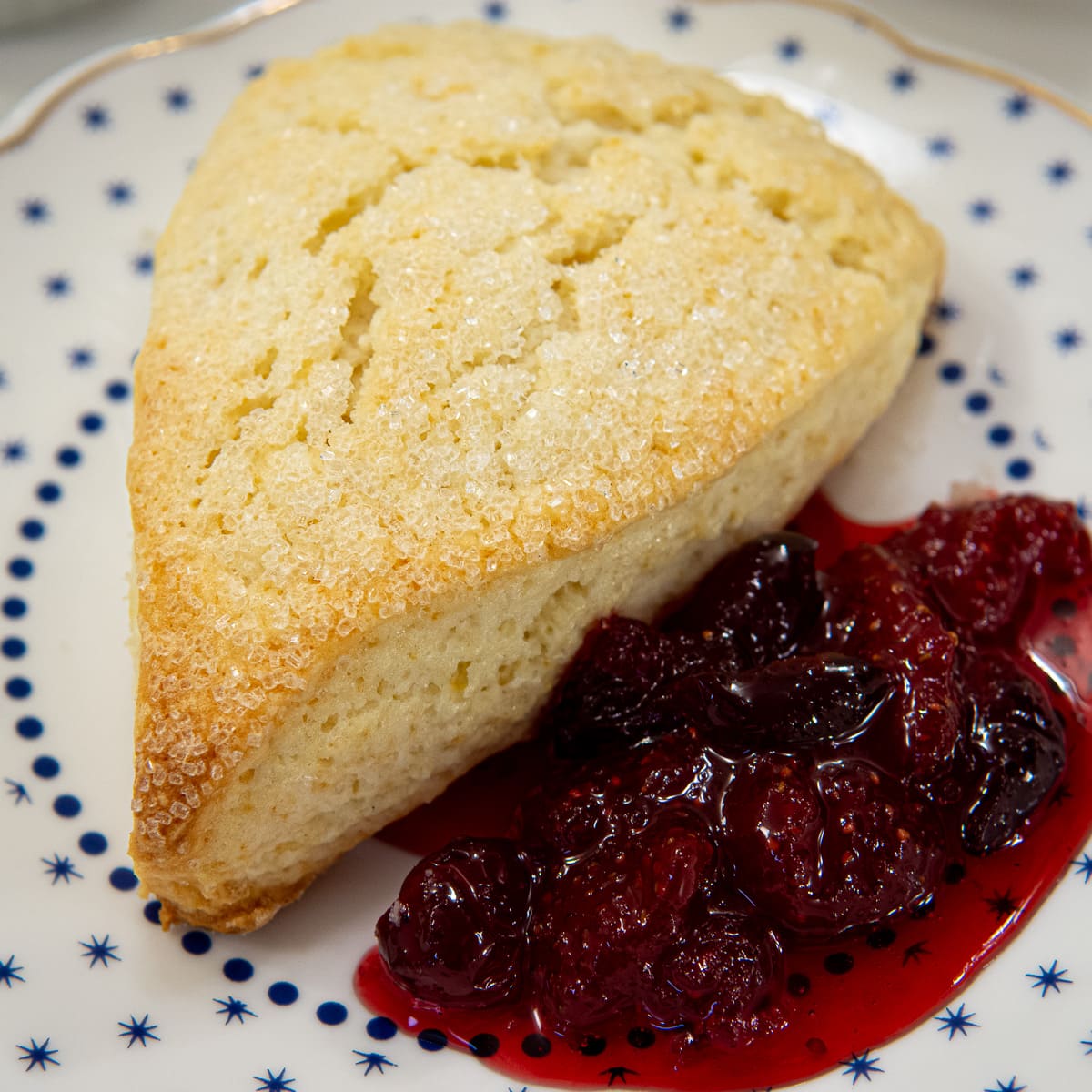
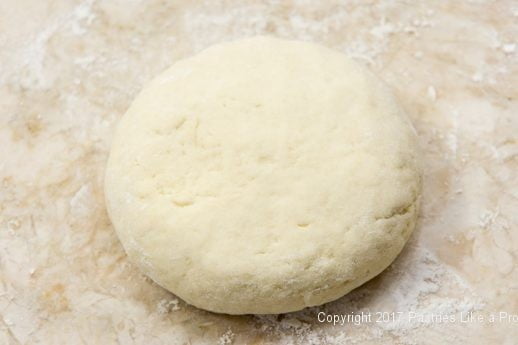
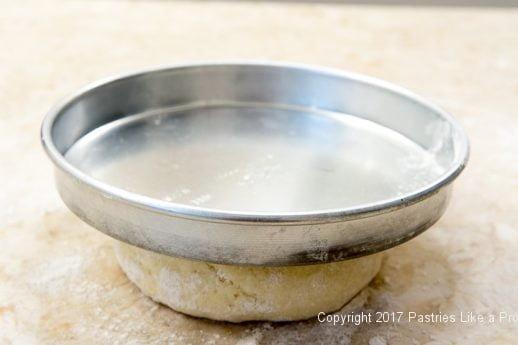
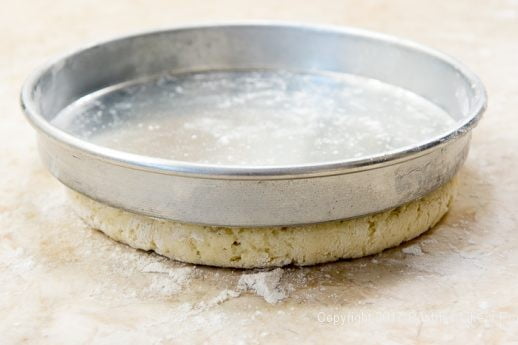
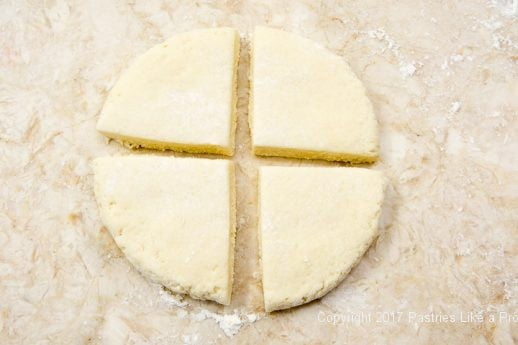
    Cream Biscuits with Strawberry Balsamic JamCream Biscuits with Strawberry Balsamic Jam for Five Make Ahead Breads for Easter are a quick to make treat that fits right into any part of the day.  With only four ingredients, this is the easiest, most tender biscuit you are likely to encounter.  The Strawberry Balsamic Jam is a fast, refrigerator version that serves as the perfect foil for the biscuit.

    Southern by region, beloved by the country, these biscuits and the jam can be made ahead.  The biscuits can be frozen and reheated by placing on a tray and heating in a 350°F oven for about 15 to 20 minutes.  The jam can be stored in the refrigerator and brought to room temperature before serving. [Read more...]

    Cocoa Fundamentals Natural vs. Dutched

    Modified: Sep 19, 2025 · Published: Apr 6, 2017 by Helen S Fletcher · This post may contain affiliate links · 28 Comments

    Six cocoas including natural and Dutched.
    Six cocoas including natural and Dutched.

    One of my readers and I got into an interesting conversation about the fundamentals of cocoa. It dawned on me I don't have a post about the difference between the dutched and non-dutched or natural cocoa.  They can be confusing but understanding them will help.

    In a single sentence, the difference between the two is the natural cocoa is acidic and the dutched cocoa isn't. However, there is more to know than that. Because of the acid content or lack of it, which leavening is used makes all the difference.

    Natural and dutched cocoa for Cocoa Fundamentals Natural vs. Dutched

    How Cocoa is Made
    Cocoa starts out as chocolate liquor (not to be confused with chocolate liquer which is alcoholic drink) and is made by grinding the nib, or meat, of the cocoa bean that has been fermented, dried, roasted and separated from their skins. It’s a thick, gritty, dark brown paste that liquefies when heated. Cocoa is made by removing about three fourths of the cocoa butter drying it again and then grinding the remaining liquor into cocoa. Natural cocoa is lighter in color than dutched.

    Types of Cocoa
    Natural cocoa has a pH of 5 to 6 making it acidic. The color of natural cocoa ranges from tan to a dark yellowish brown depending upon the amount of roasting the original cocoa beans had. The acids in the natural cocoa react with baking soda to produce a small amount of carbon dioxide gas for leavening. Natural cocoa has to have 10% cocoa butter by law in the U.S. Natural brands include:  Hershey's, Ghirardelli,  Nestle Toll House and Scharffen Berger.

    Dutched cocoas for Cocoa Fundamentals Natural and Duthed

    Dutched cocoa starts out like natural cocoa. However, the dutched cocoa uses beans that have been treated with potassium carbonate to remove the acidity before grinding into a powder resulting in a smoother more mellow taste and a darker color. The color depends upon the amount of dutching the cocoa and undergone. It has a pH factor of about 7 which is neutral and as a result calls for baking powder to have a product rise. Dutched cocoa usually has more fat content than natural and ranges between 22% to 24% cocoa butter. Professional pastry chefs prefer dutched cocoa for its deeper color and less acidic taste. It can be referred to as alkalized, dutched or European-style.  Dutched Cocoa Brands include:  Droste, Lindt, Valrhona, Poulain,  Pernigotti and Cocoa Barry.

    Hershey's Dark Cocoa is a third type of cocoa recently introduced onto the market. It is a combination of natural and dutched. I asked them for information on this chocolate and why they mixed them but have received no response. I have no idea what the pH factor is or whether it takes baking soda or baking powder as the preferred leavening agent.

    Black Cocoa Powder is highly dutched cocoa. It is this type of cocoa used in Oreo's.

    Sifting cocoa for Cocoa Fundamentals Natural vs. Dutched
    Sifting cocoa for Cocoa Fundamentals Natural vs. Dutched
    Sifting cocoa for Cocoa Fundamentlas Natural vs. Dutched
    Sifted cocoa for Cocoa Fundamentals Natural vs. Dutched

    Using Cocoa as an ingredient
    Both natural and dutched cocoas are lumpy. It is necessary when using them to press them through a strainer. If using flour and leavening and/or other dry ingredients in the recipe, it is best to sift them all together for the best disbursement in the mixture.

    If mixing cocoa with a liquid, it is best to add a very little liquid to the cocoa to make a paste before adding the rest of the liquid to avoid lumps.

    Are They Interchangeable?
    If the recipe requires leavening then they are not.  If no leavening is required they may be interchanged but be aware the flavor will be different as the natural is acidic and the dutched more mellow.  The colors will also be different.

    Storing Cocoa Powder
    Cocoa powders may be stored for at least two years and up to three in a dark, cool, dry environment.

    Substitutions
    I have seen substitutions that suggest if you don't have dutched cocoa adding baking soda to natural cocoa would neutralize the acidity. But I would think you would also have to increase the shortening or butter to make up for the increased cocoa butter in the dutched cocoa. Because I have not tested this or other methods I can't recommend them.

    A great source for baking information regarding cocoa that do have substitutions is:

    https://www.kingarthurbaking.com/blog/2014/01/10/the-a-b-cs-of-cocoa

    Internet sources for cocoa both natural and dutched:
    https://www.chocosphere.com/search?q=cocoa
    https://www.supermarketitaly.com/cacao-barry-cocoa-powder-extra-brute-

    To Sum Up: Recipes using natural cocoa take baking soda as its leavening agent.
    Recipes using dutched cocoa take baking powder as its leavening agent.

    If no leavening is used either cocoa may be used in a recipe depending upon whether you like a sharper, slightly bitter taste of natural or the smoother, more mellow taste and darker color of dutched.

    Other Sources for information on cocoa
    https://www.davidlebovitz.com/cocoa-powder-faq-dutch-process-https://non www.joyofbaking.com/cocoa
    https://joythebaker.com/2013/10/baking-101-natural-vs-dutch-processed-cocoa-powder/

    Gluten Free Turtle Cake with Salted Caramel

    Modified: Jul 30, 2025 · Published: Mar 30, 2017 by Helen S Fletcher · This post may contain affiliate links · 15 Comments

    Turtle Cake
    Gluten Free Turtle Cake
    Gluten Free TurtleCake with Salted Caramel

    This Decadent Gluten Free Turtle Cake was supposed to posted last week.  But I ran into a problem.  Actually six problems.  Six gluten free chocolate cakes later, here is the recipe.

    I have a son who was recently diagnosed as celiac.  Although he lives about 300 miles away, I try to think of things for him.  I was determined to make this chocolate cake gluten free.  I had a recipe in mind, but I had to ditch the flour.  Easier said than done for sure!  To make it more of a challenge, I didn't want to use a gluten free flour substitute. In the end, I used cocoa which gives the cake an edge, but a delicious one.

    The first chocolate cake for the Gluten Free Turtle Cake was excellent, but too short.  When I doubled it, it was not so excellent.  Some were dry, some were absolutely tough, one had nuts instead of flour, but it looked like a crater when it cooled.  Although Mike isn't one to question my persistence, I'm sure he wanted to as he watched the cakes, neatly wrapped in foil, stack up on the counter.

    I thought of using the Ultimate Chocolate Fudge Cake but in the end decided it would be too rich.  The caramel is so luxurious which means the cake has to be rich and deeply chocolate but not too sweet.  This cake is dense, moist and as chocolate as it gets.

    The caramel building block pastry for this Gluten Free Turtle Cake is the one we made at the bakery. I have used it in several recipes on the blog including the Apple Pie ala Mode with Salted Caramel.  A bit of salt adds just the right nuance to the toasted pecans and chocolate ganache.  The caramel for this Gluten Free Turtle Cake is cooked to a lower temperature, so it will flow but not be runny.

    I am happy to let you know that each of the components of this Gluten Free Turtle Cake can be made ahead, so the final assembly is a snap.  Leftovers should be stored in the refrigerator, and initially I thought it had to be served at room temperature, but I was wrong.  It is absolutely fantastic cold (actually, I couldn't wait for it to get to room temperature).

    Gluten Free Chocolate Cake

    8 ounces semisweet chocolate (225 grams)
    1 cup butter, softened (225 grams, 8 ounces or 2 sticks)
    1 cup sugar (200 grams or 7 ounces)
    6 eggs
    2 teaspoon instant coffee
    2 teaspoon vanilla
    1 cup dutch process cocoa (90 grams or 3 ounces)
    1 teaspoon baking powder

    Preheat oven to 350°F. Line a 9x2 round cake pan with parchment and spray the center only.

    Melt the chocolate and butter together over heat or in the microwave. Whisk to blend well.

    Chocolate and butter whisked for Decadent Gluten Free Turtle Cake

    Beat the eggs and sugar with the paddle attachment, scraping underneath often.

    Dissolve coffee in vanilla.

    Because the cocoa has lumps that won't smooth out with a whisk, it is necessary to sift it.  This is easiest done with a strainer.  

    Use a spoon to push the big lumps through.  

    Spooning cocoa for the Decadent Gluten Free Turtle Cake

    Mix the cocoa and baking powder together.

    Add the chocolate/butter mixture to the eggs.

    Add the remaining ingredients to the batter and beat on low until completely combined.

    Batter mixing for the Decadent Gluten Free Turtle Cake

    Pour into the prepared pan.

    Bake 25 minutes. Do not overbake.  Having said that I actually overbaked mine and it rose above the top of the pan dramatically and cracked equally dramatically..  As it cooled, it sunk but was still cracked.  It doesn't matter.

    While the cake is baking, place the nuts on a small baking pan and toast for about 7 minutes until fragrant and toasted. Set aside to cool.

    Pecans

    1 cup large pieces pecans

    Toast in a 350°F oven for about 7 minutes until fragrant. Set aside to cool.

    The pecans can be toasted a week ahead.

    Salted Caramel

    Using the ingredients below see caramel pastry recipe for how to pictures
    ¾ cup cold water
    1 cup + 2 tablespoons sugar (225 grams or 8 ounces)
    2 tablespoon corn syrup
    ½ cup 40% cream, hot
    5 tablespoons unsalted butter cut into 5 or 6 pieces (75 grams or 2 ⅔ ounces)
    2 teaspoon vanilla
    ¾ teaspoon fine sea salt (or more to taste)

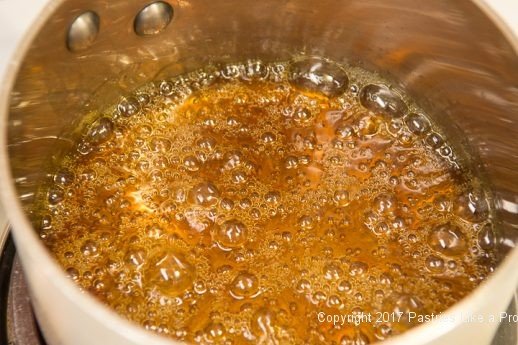
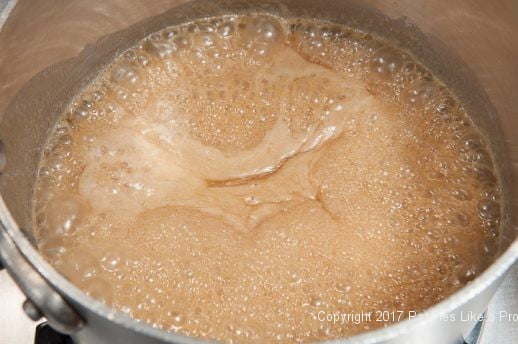
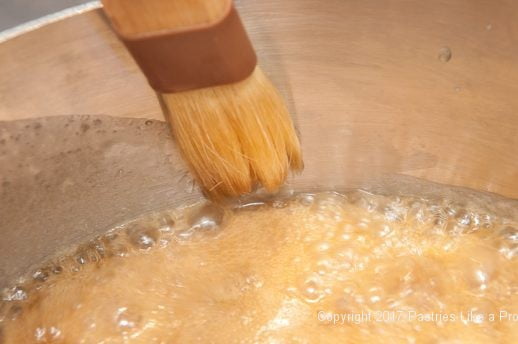
    Place the water, sugar and corn syrup in a 2-quart saucepan. Stir over heat until the sugar is dissolved completely. Bring to a boil; wash sides of the pan down with a natural bristle pastry brush dipped in cold water, then boil without stirring until the mixture becomes a medium golden color.

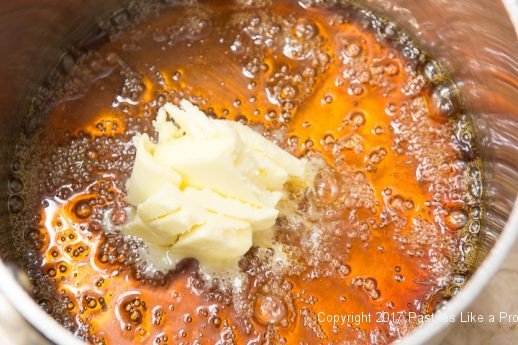
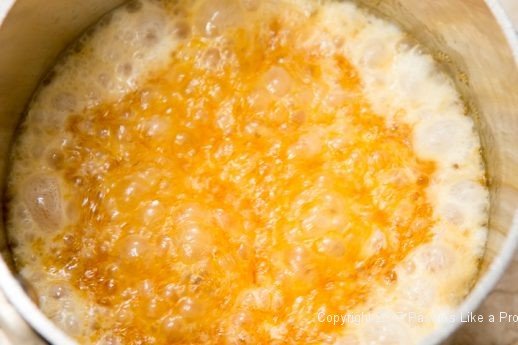
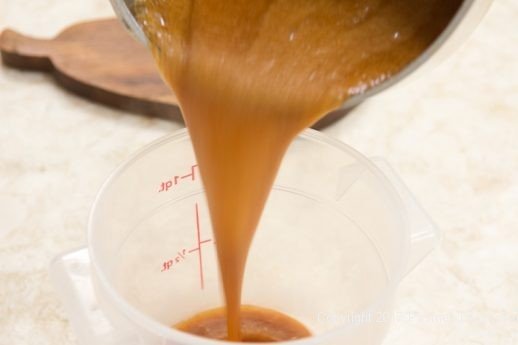
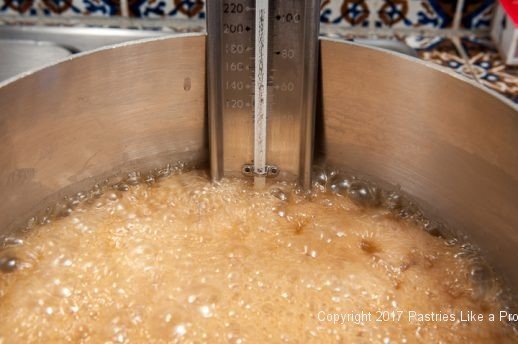
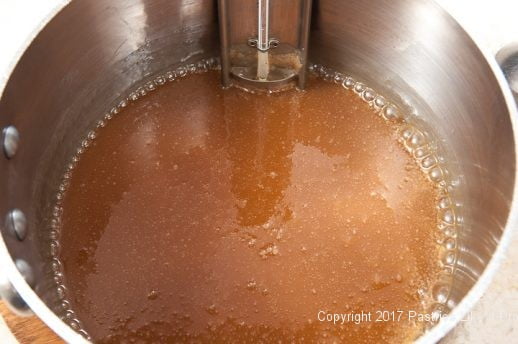
    Off heat, immediately add the butter and stir until it is melted. Pour the cream, vanilla and salt in all at once and stir. If some of the cream lumps up don’t worry.   Return to medium high heat and bring to a boil. Boil to 225 degrees on a candy thermometer. Pour into a bowl. Do not stir at this point, as it can become granular if you do. Allow to come to room temperature. Refrigerate for longer storage.

    The caramel can be made a week or ten days ahead if desired.  Bring to room temperature to use.

    Dark Satin Ganache

    For how to photos go to Lamington Torte
    2 tablespoons 40% cream
    1 tablespoons corn syrup (70 grams or 2 ½ ounces)
    2 ½ ounces semisweet chocolate (75 grams)
    1 tablespoons butter (15 grams or ½  ounces)

    In a small saucepan, bring the cream and corn syrup to a boil. Submerge the chocolate and butter and let sit for several minutes until the chocolate and butter melt. Whisk gently to mix completely. Chill while preparing the remaining recipes.

    You will not need all of this, but it is difficult to cut it down anymore. Refrigerate the remainder and use it for another purpose.  It is also good over ice cream!

    This can be made a week ahead if desired.  Microwave briefly so it can be drizzled.

    Assembly of the Gluten Free Turtle Cake

    Gluten Free Chocolate Cake
    Caramel
    Toasted Pecans
    Dark Satin Ganache

    Turn the cake out of the pan. Remove the parchment paper. Turn it right side up and place it on a cardboard round.  Place this on a large piece of parchment or foil I didn't do this and here is the mess it made when I finished the cake.

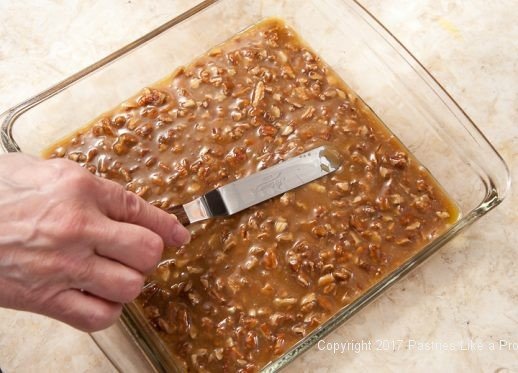
    If the caramel seems a bit stiff, microwave it briefly to loosen it up.  Don't let it become liquid.  Use as much or little of the caramel as you wish. I used it all and shoved it over the sides with an offset spatula. Some sides got covered and some of the caramel just dripped down. There is no right or wrong.

    Immediately cover it with the toasted pecans so they get stuck in the caramel.

    Then drizzle with as much or little of the ganache as you wish.

    At this point, you want to refrigerate it. This will be easiest to do by lifting the parchment or foil with the cake on it and place it on a baking sheet. After the caramel and glaze have set, remove the cake from the parchment or foil and place the cake on a serving plate.

    Yields:  10 to 14 servings

    To Make Ahead: This Gluten Free Turtle Cake can be made ahead and held in the cooler for a few days.

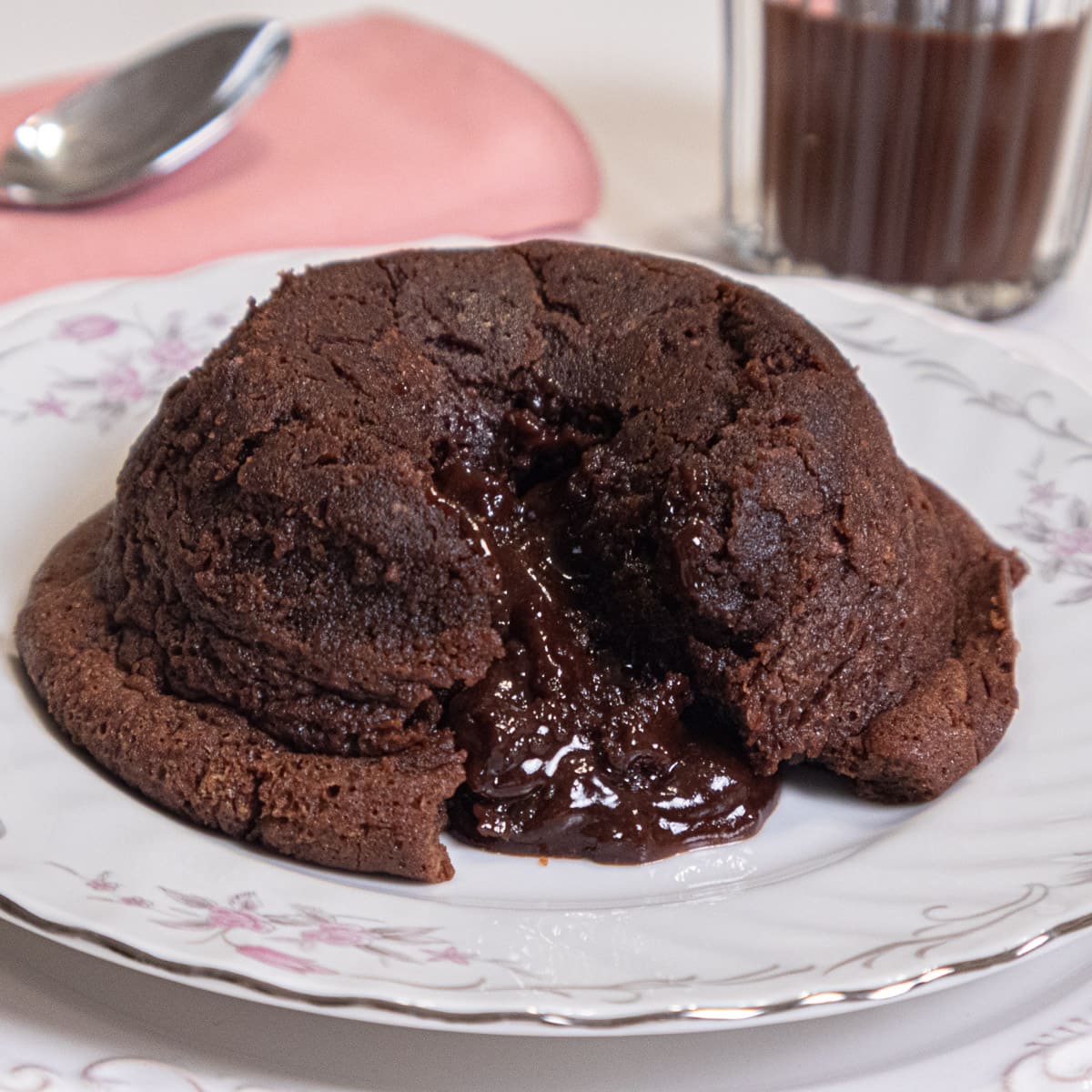
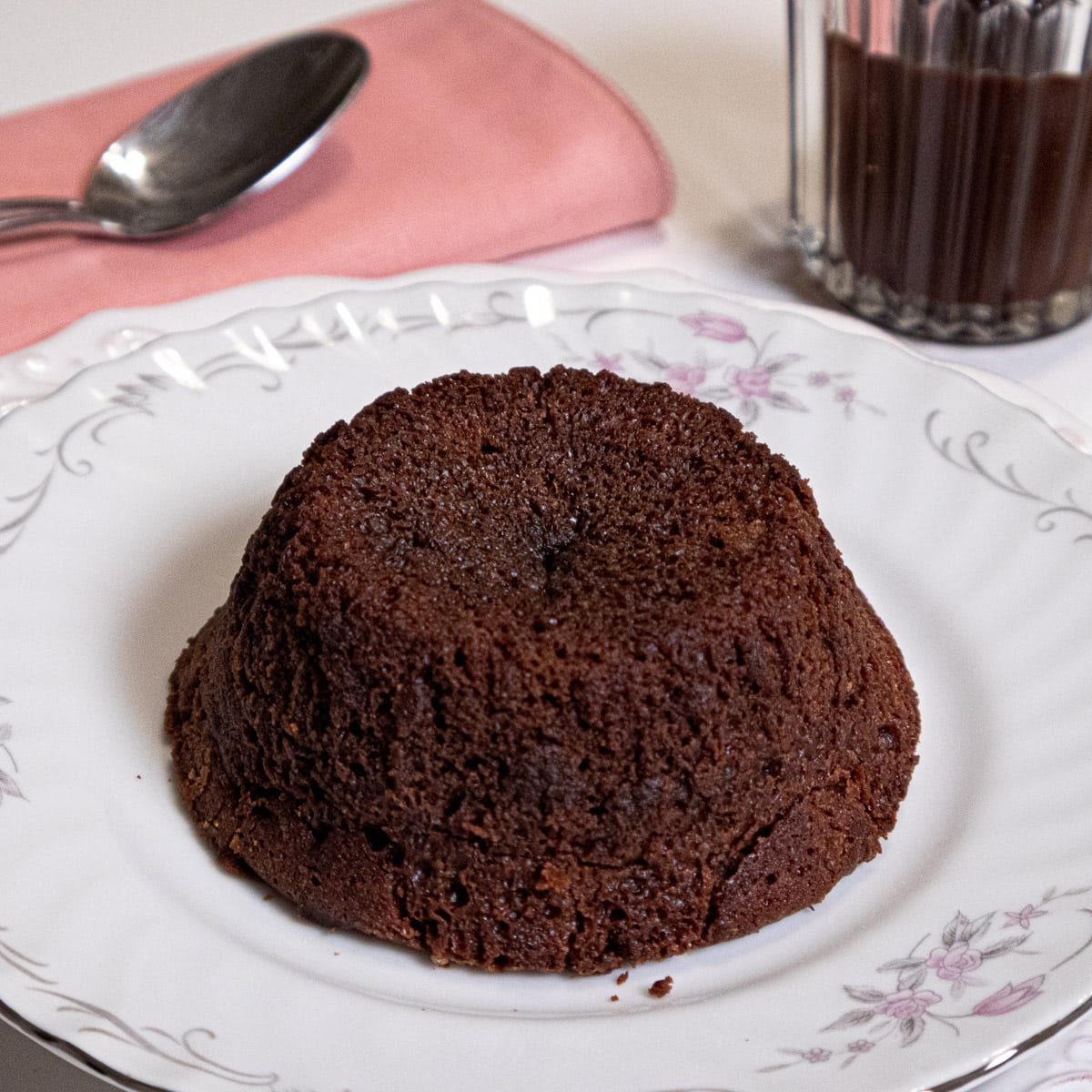
    Be sure to check out the Warm Chocolate Lava Cakes with Bailey's Sauce

    SaveSave

    Easily Made Raspberry Ripple Coffeecake

    Modified: Apr 2, 2023 · Published: Mar 16, 2017 by Helen S Fletcher · This post may contain affiliate links · 19 Comments

    Raspberry Ripple Coffeecake on a white plate with a cup of tea.

    If you're looking for a really easy, quick to make, great tasting, crumb topped coffee cake this Raspberry Ripple Coffee Cake is it. A simple cream cheese batter mixes up in minutes for a cake that is perfect anytime of the day.

    A slice of Raspberry Ripple Coffee Cake sits on a plate with a cup of tea.

    Cream Cheese is the magic ingredient that keeps this exquisite coffeecake moist and flavorful for days, if it lasts that long. Speedy to make, easy to enjoy these  Raspberry Ripple Coffeecakes are a delight anytime.

    Crumb Topped Coffee Cakes seem to be a hit with everyone. Here's a couple of more for your consideration. Apricot Crumb Coffee Cake with its almond paste crumbs as well as the Cuccidati Coffee Cake borrowing the filling from that best of all cookies Cuccidati.

    [feast_advanced_jump_to]

    Why You'll Love this Coffee Cake

    • The crumbs are super easy to make.
    • The cream cheese makes this thick batter delightfully tender and moist with a long shelf life.
    • Most of the ingredients are already on hand or easy to get.
    • This recipe can be made a number of different ways from a single coffee cake to great muffins.
    • It can be frozen after baking. Thaw at room temperature. Wrap in foil, leaving a small opening and refresh in a 350°F oven for about 20 to 25 minutes.

    Recipe Ingredients

    Crumb Topping

    Ingredients for crumb topping are flour, cake flour, butter, sugar, vanilla, and egg yolk.

    Ingredients read left to right.

    BACK ROW: All-purpose flour, unsalted butter, cake flour

    FRONT ROW: Vanilla, sugar, egg yolk

    Coffee Cake ingredients include, flour, cream cheese, sugar, eggs, milk, jam, baking powder, baking soda, ,salt and unsalted butter.

    Ingredients read left to right.

    BACK ROW: All-purpose flour, cream cheese, granulated sugar

    SECOND ROW FROM BACK: Eggs, milk, raspberry jam

    THIRD ROW FROM BACK: Almond extract, baking powder, salt,baking soda

    FRONT ROW: Unsalted butter

    *Be sure to see the recipe card below for the full ingredients list & instructions!*

    Step- By- Step Instructions

    Crumbs

    Step 1. Cream the butter and sugar until light.

    The egg yolk and vanilla  are added to the creamed butter and sugar.

    Step 2. Add the egg yolk and vanilla to the creamed butter and sugar.

    Add the all-purpose and cake flour to the crumb batter.

    Step 3. Add the all-purpose and cake flours.

    Crumbs in the mixing bowl.

    Step 4. Crumbs mixed. Some are large some are smaller.

    Bottom of crumb mixture not in crumbs.

    Step 5. Scrape the bottom and if some of the mixture is not in crumbs, break up by hand. If you run the in the mixer again there is a chance of the crumbs becoming paste.

    Step 6. Place the crumbs in a bowl and refrigerate while making the coffee cake batter.

    Coffee Cake Batter

    The flour, salt, baking powder and baking soda are in a bowl.

    Step 1. Combine the flour, baking powder, baking soda and salt in a bowl. Whisk together and set aside.

    The unsalted butter, cream cheese and sugar are in a mixing bowl.

    Step 2. Without cleaning the mixing bowl, add the butter, cream cheese and sugar.

    The butter, cream cheese and sugar are creamed in the mixing bowl.

    Step 3. Cream the butter , cream cheese and sugar until very light.

    The eggs, milk and almond extract have been added to the creamed mixture.

    Step 4. Add the eggs, milk and almond extract.

    The liquid ingredients have been blended into a runny mixture.

    Step 5. Beat together, scraping often to obtain a smooth, liquidy mixture.

    The flour has been added to the mixing bowl.

    Step 6. Add the flour to the mixing bowl.

    The thick cake batter is fully mixed in the mixing bowl.

    Step 7. Beat the mixture on low, scraping often, until it is a smooth, thick batter.

    Half of the batter is spread in the bottom of the pan.

    Step 8. Spread about half of the batter into the bottom of a cheesecake or spring form pan.

    The raspberry jam is spread to about ½ inch of edges of the pan.

    Step 9. Spread the jam to within ½ to ¾ inch from the edge of the pan.

    The top batter is dolloped over the raspberry filling.

    Step 10. To make spreading the top on easier, dollop the dough over the filling.

    The top batter is spread smoothly over the jam layer.

    Step 11. Carefully spread the top batter over the filling to the edge of the pan.

    The crumbs are spread over the batter.

    Step 12. Spread the crumbs evenly over the top layer. Press them down lightly to make sure they adhere.

    The baked, cooled caked is placed on a can so the sides of the cheesecake pan can drop down.

    Step 13. To release the cake from the cheesecake pan, go around the edges to make sure they are free. Place it on a can (preferable 28 ounces) and slide the side down. Remove the cake to a cake plate with a pair of pancake turners under the bottom.

    Whole coffee-cake dusted with powedered sugar on a serving tray.

    Step 14. Dust the cake with powdered sugar and place on a serving tray.

    Recipe FAQS

    What makes a coffee cake a coffee cake?

    A coffee cake is a single layer cake, with or without a crumb or streusel topping that is often, but not always, filled with streusel, fruit, jam or chocolate. It is less sweet than a cake and as the name implies often served with coffee or tea.

    What is the origin of coffee cake?

    While Germany is most often credited, the Danes came up with an early version of sweet bread served with coffee. It most likely came from different cultures.

    Are crumb cakes and streusel cakes the same thing?

    I don't think so, but some differentiate them by their topping. A crumb cake has a deep layer of cake crumbs that may or may not be flavored with cinnamon where as the streusel layer contains more sugar, often brown sugar, usually cinnamon and is less dense as a topping. It is often used as a filling that is rippled inside the coffee cake.

    Storage

    • The coffee cake stores well for 3 or 4 days at room temperature if under a cake cover or wrapped.
    • It can also be frozen for a couple of months, well wrapped in foil. Thaw at room temperature. Wrap in foil, leaving a small opening and refresh in a 350°F oven for about 20 to 25 minutes.

    Expert Tips

    • Butter is often referred to as room temperature but I prefer the word softened butter. Room temperature butter is dependent upon the room being the right temperature not too hot and not too cold. A temperature of 70°F to 73°F allows the butter and sugar to cream together into a light mixture. Temperatures below that result in a sandy mixture.
    • To easily obtain softened butter if it comes from the fridge, cut it into ½" or less pats and place them on plate while preparing the rest of the ingredients. In any case do not microwave as it usually melts in the middle before the ends get softened.
    • When adding flour to any type of cake recipe, beat on low to minimize the formation of gluten which will toughen the cake texture.
    • I have referred to a cheesecake pan as opposed to a springform pan. I discovered these when I had the bakery and much prefer them. A good comparison can be found in the Definitive Bailey's Cheesecake.
    • Any flavored jam can be used for the filling. If you have a good preserve that has pieces of fruit in it, place it in a blender or processor to smooth it out. Dark jams show up best as the ripple.
    A slice of coffee cake on a plate with a cup of tea and a blue napkin.

    Other Wonderful Coffee Cakes

    • A piece of the New York Crumb cake on a plate with a stack in the background.
      New York Style Crumb Cake
    • Blueberry Crumb Coffee Cake
      Blueberry Crumb Coffeecake
    • Cuccidati Coffeecake
      Cuccidati Coffeecake
    • Pina Colada Coffeecake

    Love this recipe or any other on my site? Please leave a 5-star 🌟🌟🌟🌟🌟rating in the recipe card & consider leaving a review in the comments further down, thanks!

    Raspberry Ripple Coffeecake on a white plate with a cup of tea.

    Raspberry Ripple Coffeecake

    Helen S. Fletcher
    If you're looking for a really easy, quick to make, great tasting, crumb topped coffee cake this Raspberry Ripple Coffee Cake is it. A simple cream cheese batter mixes up in minutes for a cake that is perfect anytime of the day.
    5 from 1 vote
    Print Recipe Pin Recipe
    Prep Time 20 minutes mins
    Cook Time 45 minutes mins
    Total Time 1 hour hr 5 minutes mins
    Course Breakfast, Cake, Dessert
    Cuisine American
    Servings 14 servings
    Calories 391 kcal

    Equipment

    • 9x3 inch round cheesecake or springform pan use half the batter in the bottom, all the jam and remaining batter on top. Top with all the crumbs. Bake for 50 to 60 minutes.
    • 6x3 inch round pans use ½ the batter and jam in each pan. Top each pan with half the crumbs. Bake for 30 to 40 minutes.
    • About 6 to 8 Texas muffin size use about ½ cup batter per muffin, dividing in half. Bake for about 25 to 30 minutes.
    • About 10 to 12 regular muffin size use about ¼ cup batter per muffin, dividing in half. Bake for about 20 to 25 minutes.
    Prevent your screen from going dark

    Ingredients

    Crumb Topping

    • ¾ cup all-purpose flour (105 grams or 3 ½ ounces)
    • ½ cup cake flour* (50 grams or 1 ¾ ounces)
    • ½ cup sugar (100 grams or 3 ½ ounces)
    • ¼ cup unsalted butter softened (60 grams, 2 ounces or ½ stick)
    • 1 teaspoon vanilla
    • 1 egg yolk
    • Water if needed
    • *If you don’t have cake flour use 1 cup + 3 tablespoons all purpose flour.

    Coffeecake

    • 1 ¾ cups all purpose flour (240 grams or 8 ½ ounces)
    • 1 teaspoon baking powder
    • ½ teaspoon baking soda
    • ¼ teaspoon salt
    • 8 ounces cream cheese softened (225 grams)
    • ½ cup unsalted butter softened (114 grams, 4 ounces, or 1 stick)
    • 1 cup granulated sugar (200 grams or 7 ounces)
    • 2 large eggs
    • ¼ cup milk, whole or 2%
    • 1 teaspoon almond extract
    • ¾ cup seedless red raspberry jam

    Instructions
     

    Crumbs

    • Whisk together the all-purpose and cake flour. Set them aside.
    • Cream the butter and sugar until light.
    • Add the vanilla and egg yolk, mixing completely.
    • Add the flour and mix until large crumbs form. If they do not, add 1 tablespoon water.
    • Scrape the bottom often, so the crumbs do not get packed down there. Do not over mix. Refrigerate while making the coffeecake.

    Coffeecake

    • Preheat the oven to 350°F. Spray the selected pans from above well and set aside.
    • Combine the flour, baking powder, baking soda and salt. Whisk together and set aside.
    • In the same mixing bowl as the crumbs were made, cream the cheese, butter and sugar until light.
    • Add the eggs, milk and almond extract and beat until well mixed, scraping as necessary for a smooth batter.
    • Add the flour mixture and beat on low to obtain a smooth batter, scraping several times as this is very thick.
    • Spread half of the batter evenly in the bottom of the selected and sprayed pan. Spread the jam to within ½” to ¾” of the edges of the pan. It will spread when the top is put on.
    • Dollop large clumps of the remaining batter over the jam. This will make it easier to spread without disturbing the jam underneath too much. Don’t worry about getting it exactly smooth, just make sure you take the batter to the edge of the pan.
    • Spread the crumbs evenly over the top, starting at the outer edge and move in towards the center.
    • Place on a parchment lined sheet pan for ease of going in and out of the oven. It also saves clean up if the jam leaks.
    • Bake according to the times given above for the specified pan or until a tester comes out clean. The crumbs will be golden brown when done. Cool and sprinkle with powdered sugar to serve.

    Notes

      • Butter is often referred to as room temperature but I prefer the word softened. Room temperature butter is dependent upon the room being the right temperature not too hot and not too cold. A temperature of 70°F to 73°F allows the butter and sugar to cream together into a light mixture. Temperatures below that result in a sandy mixture.
      • To easily obtain softened butter if it comes from the fridge,  cut it into ½" or less pats and place them on plate while preparing the rest of the ingredients. In any case do not microwave as it usually melts in the middle before the ends get softened.
      • When adding flour to any type of cake recipe, beat on low to minimize the formation of gluten which will toughen the cake texture.
      • I have referred to a cheesecake pan as opposed to a springform pan. I discovered these when I had the bakery and much prefer them. A good comparison can be found in the Definitive Bailey's Cheesecake.
      • Any flavored jam can be used for the filling. If you have a good preserve that has pieces of fruit in it, place it in a blender or processor to smooth it out. Dark jams show up best as the ripple.

    Nutrition

    Serving: 14gCalories: 391kcalCarbohydrates: 55gProtein: 5gFat: 17gSaturated Fat: 10gPolyunsaturated Fat: 1gMonounsaturated Fat: 4gTrans Fat: 0.4gCholesterol: 83mgSodium: 180mgPotassium: 79mgFiber: 1gSugar: 31gVitamin A: 579IUVitamin C: 2mgCalcium: 49mgIron: 1mg
    Tried this recipe?Mention @helensfletcher or tag #pastrieslikeapro!

    Other recipes you might like

    • Cuccidati Coffeecake
      Cuccidati Coffeecake
    • Blueberry Crumb Coffee Cake
      Blueberry Crumb Coffeecake
    • Danish Butter Cake
      Danish Butter Cake
    • A piece of the New York Crumb cake on a plate with a stack in the background.
      New York Style Crumb Cake

    Garlic Oregano Cracker Bread

    Modified: Apr 23, 2026 · Published: Mar 6, 2017 by Helen S Fletcher · This post may contain affiliate links · 4 Comments

    Garlic Oregano Cracker Bread
    Garlic Oregano Cracker Bread

    This Garlic Oregano Cracker Bread has a story.  Next week we are having a gourmet wine dinner at the restaurant.  The organizer didn't want a dessert but requested a cheese plate.  Good for me right?  I skipped a special dessert for seventy people.  Well, not really.  I was asked if I had something like a savory cookie that would go with the cheese tray.

    After a day or two, it suddenly dawned on me that this Garlic Oregano Cracker Bread was the perfect solution.  Years ago before I became involved seriously with food, I loved experimenting with recipes and food.

    This recipe was a part of a group of breads I developed.  If I had to name categories of favorite foods, breads are number one or two. So variable in so many ways with so many uses.  The Wine and Cheese Baguettes with their silky texture are from this group of breads. Another great flatbread with oodles of uses is the Buttermilk Flatbread.

    The final offering to these seventy diners will be my Painted Cookies.

    Pasta machine used for Garlic Oregano Cracker Bread

    I use my pasta machine with an electric motor to roll out the Garlic Oregano Cracker Bread.  It makes it much easier and faster when you have about 100 pieces to shape and bake.  Lacking a pasta machine, a rolling pin is your best friend.

    The one thing you have to watch for when you use the pasta machine is the small twiggy part that sometimes is part of the dried oregano leaf.  As you roll the dough thinner and thinner, it often won't go through the machine and ends up tearing the cracker bread.  Simply take the machine back to number one and use a cake tester to flip out the twig.  Shape the dough back into a ball, flatten it and put it through the machine again.

    Making the dough one day and rolling it out the next day is ideal as the dough rolls out much easier through the machine.  If it is room temperature, it will roll out a bit longer each time.  Cool water is used because the processor will heat up the dough when it is made.

    The larger the dough ball, the longer the piece of cracker bread.  Using 25 grams or slightly less than 1 ounce per ball, the bread will be 8 to 9 inches long and about 3 inches wide.

    It can be finished with parmesan, sesame seeds, a combination of the two or anything else you feel is appropriate.

    The cracker bread should be made at least a day before or It can be made a couple of weeks ahead of time.  Simply wrap it well in plastic wrap and store it where it won't get crushed. The bread will become more flavorful as it sits.

    This Garlic Oregano Cracker Bread is perfect served with cheese, hummus, salads or just as a snack

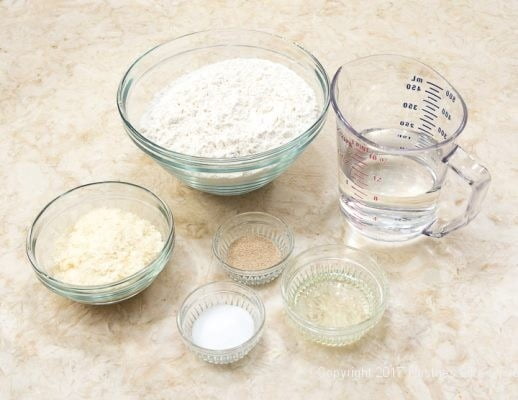
    Ingredients for Garlic Oregano Cracker Bread

    Garlic Oregano Cracker Bread½ cup cool water
    1 teaspoon dry yeast
    1 teaspoon sugar
    2 tablespoon olive oil
    1 ½ cups bread flour (210 grams or 7 ounces)
    2 teaspoons dried oregano
    ¾ teaspoon salt
    2 large cloves garlic
    1 egg white
    3 tablespoons sesame seeds (30 grams or 1 ounce)
    3 tablespoons grated asiago or parmesan cheese (30 grams or 1 ounce)

    Water,yeast, and sugar for Garlic Oregano Cracker Bread
    Oil in water for Garlic Oregano Cracker Bread

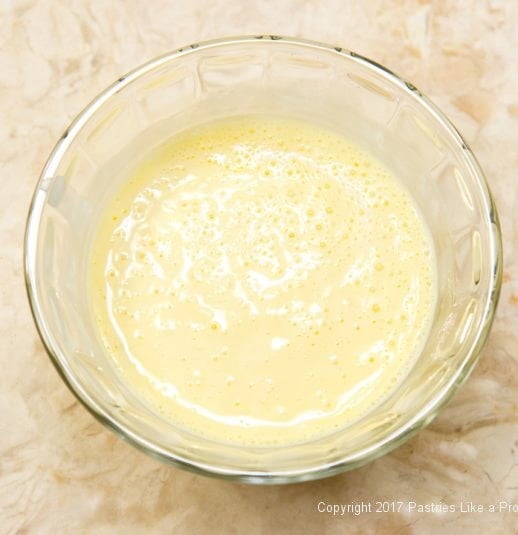
    Combine the water, yeast and sugar. Let the yeast dissolve, about 5 minutes. Add the olive oil and set aside.

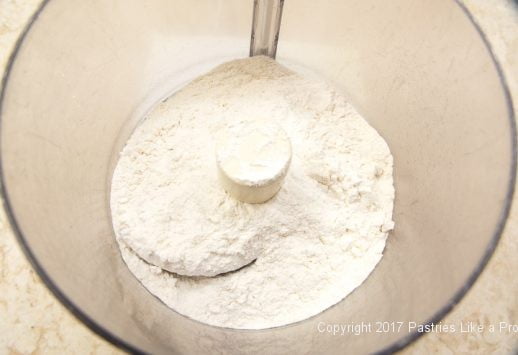
    Ingredients in the processor for Garlic Oregano Cracker Bread
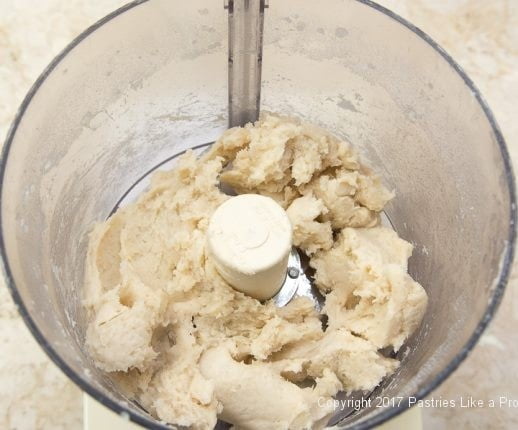
    Ingredients processed for Garlic Oregano Cracker Bread

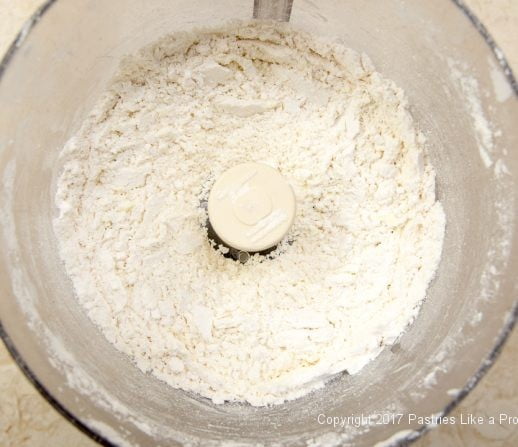
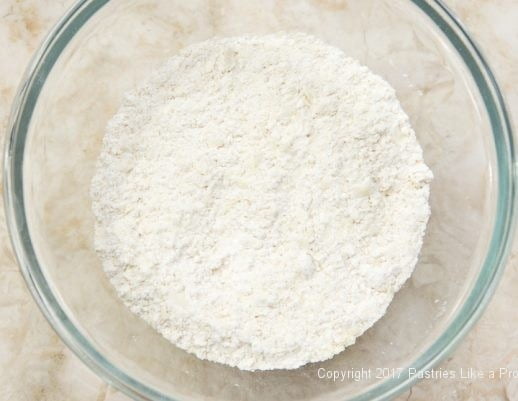
    Place the bread flour, oregano, salt and garlic cloves in the bowl of food processor. Process very to mix well and chop up the garlic.  Stop from time to time and pulse to redistribute the ingredients and then process again.

    Water added for Garlic Oregano Cracker Bread
    Dough balled up for Garlic Oregano Cracker Bread
    Dough balled up for Garlic Oregano Cracker Bread

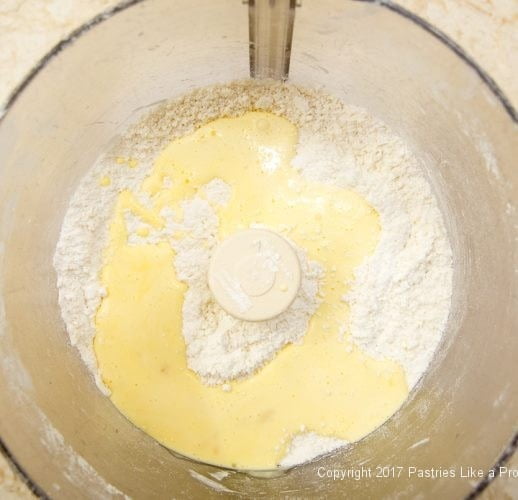
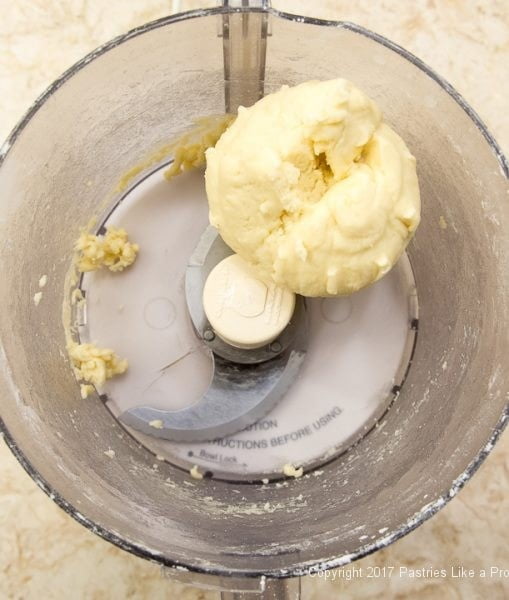
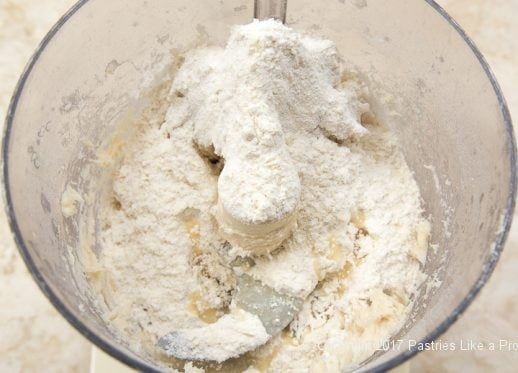
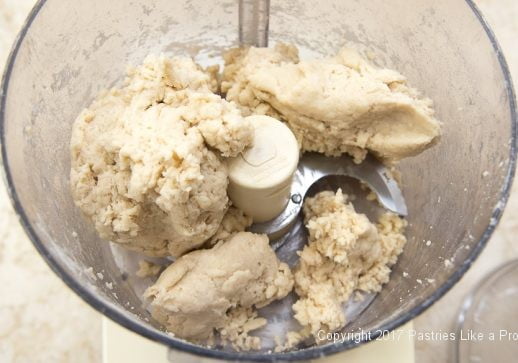
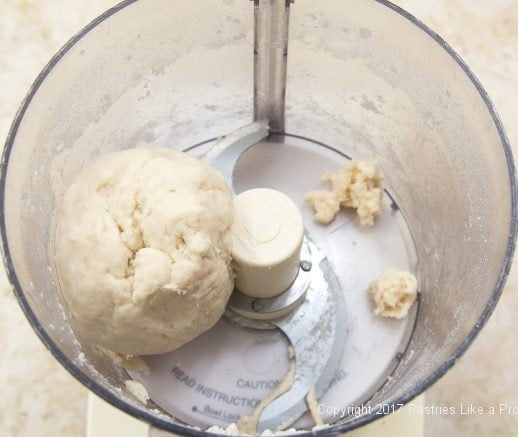
    Pour the liquid over the dry ingredients. Process until a ball forms. If it does not form a ball, add another tablespoon of water. Process about 45 seconds after it reaches the ball stage.  Dump out and knead five or ten times to make a smooth ball.

    Marked in container for Garlic Oregano Cracker Bread
    Dough risen in container for Garlic Oregano Cracker Bread

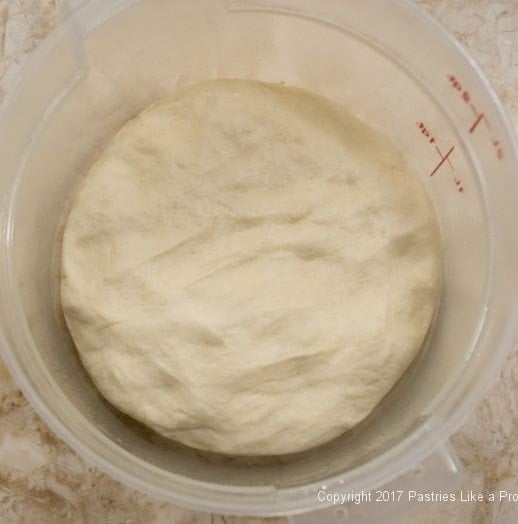
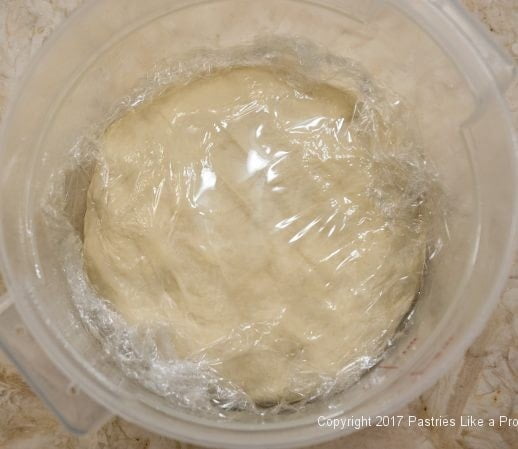
    Spray a bowl at least twice the size of the dough. Place the ball in the bowl, turn it over, cover it with film and mark it. Let it rise for an hour to an hour and a half until doubled.  Refrigerate up to 3 days if desired.

    Preheat the oven to 350 degrees. Line half sheets with parchment and set aside.

    Beat the egg white until foamy and set aside. Combine the sesame seeds and cheese or have anything you are topping with prepared. Set aside.

    Deflate the dough, roll it into a log and divide it into about 13 pieces or however many you want, keeping in mind the larger the piece the larger the pieces of cracker bread.  Roll each piece into a ball.

    One ball of dough flattened for Garlic oregano Cracker Bread

    I worked 4 pieces at a time and kept the remaining balls in the refrigerator.  Flatten one piece of dough with the palm of your hand. Dust with flour and run the dough through a pasta machine from 1 through 5 or 6, depending how big the piece is using more flour as necessary. It will be very, very thin. Alternately, roll it out with a rolling pin until it is really thin.
    Second roll out for Garlic Oregano Cracker Bread
    Third roll out for the Garlic Oregano Cracker Bread
    Last roll out for Garlic Oregano Cracker Bread

    From the bottom to the top of the picture below the dough can be seen from the first roll out to the finished Garlic Oregano Cracker Bread.

    5 pieces of dough rolled out for Garlic Oregano Cracker Bread
    Four on a tray for Garlic Oregano Cracker Bread
    Brushed with egg white
    Sprinkled with parmesan cheese for Garlic Oregano Cracker Bread
    Garlic Oregano Cracker Bread

    I placed 4 cracker breads on a half sheet pan.  Brush with egg white.  Sprinkle liberally with the sesame seed/cheese mixture or whatever you decide to use. Immediately put the sheets into the oven for 10 to 14 minutes until medium brown and crisp. Cool and store in an airtight container.

    Dough yields about 340 grams or 12 ounces unbaked.  Yields: 12 to 14 pieces - more or less as desired.

    For a couple of other special breads, visit Stuffed Focaccia and the Stuffed Italian Bread Pane Bianco.

    The Importance of a Base Recipe in Baking

    Modified: Apr 23, 2026 · Published: Feb 23, 2017 by Helen S Fletcher · This post may contain affiliate links · 25 Comments

    Single cookie for The Importance of Base Recipes in Baking
    Single cookie for The Importance of Base Recipes in Baking

    This is a perfect base recipe for cookies as it can be adapted endlessly and can be put together in a matter of minutes.

    When baking professionally a base recipe is not only desirable but necessary. It is impossible to have 40 chocolate cake recipes or one for every chocolate cake you ever made. We had about 6 but our work horse was the cake for the Espresso Fudge Cake.

    We could combine endless fillings and finishes as well as baking the layers thicker or thinner depending upon what we wanted when we used a base recipe.

    I first used this recipe in "My Perfect Chocolate Chip Cookies". I listed the following points that make this cookie a favorite.

    The cookies shown in this blog are the Orange Macadamia Chocolate Chip Cookie listed below.

    1. Use bread flour instead of all purpose flour. Bread flour is stronger and adds to the "chewiness" of the cookie.
    2. Use enough add ins. It is important as it helps hold the dough together in the oven and prevents it from spreading too much.
    3. Use half butter for flavor and half shortening such as Crisco which helps prevent the cookies from spreading. All butter allows the cookies to spread more in the oven, making a less compact cookie which is thinner and crispier throughout.
    4. Let the dough rest in the refrigerator overnight. It helps improve the flavor and the overall look of the cookie when baked. These cookies have a welcoming warm golden brown color with no under baked centers but remain chewy in the center.
    5. Double pan the cookies. This refers to placing one pan on top of another to slow down the heat to the bottom of the cookies making overbrowned or burned cookies a thing of the past.
    6. The cookies should be pulled from the oven while they are still puffy. They will deflate into delicious chewiness as they cool. I move them from the hot pan to a rack to finish cooling as soon as they are stable enough – usually within a couple of minutes.  If you happen to like crispy cookies just bake a bit longer.

    Another thing I like to do is drop the cookies using a disher or scooper and freeze them. Since there are only two of us now, eating 40+ cookies in a few days isn't a good idea. I didn't say I couldn't do it – I most certainly can – but Mike has to limit his sugar intake and I should! After freezing, it is then a simple matter to bake them straight from the freezer adding a minute or two to thaw while baking. Nothing like warm cookies for dessert!

    Three cookie sizes stacked for The Importance of base recipes in baking

    Speaking of scooping, the size of the cookie can be changed from very small (#60 disher or scoop) to medium (think  #40 disher or scoop) to large (use a #20 disher or scoop). The time increases slightly as the size gets bigger. The smallest cookies will bake in about 10 to 12 minutes.  The medium cookies will take 12 to 14 minutes while the large cookies will take 15 to 17. Just don't overbake them.

    A note about the ingredients. I prefer to use chocolate chips in my cookies because regular chocolate chopped up will stay melty after baking. Chocolate chips are formulated to stay in chips and not melt after cooling. Many brands are made from which to pick.  However, it is your choice.

    Generally speaking, I toast most of my nuts to deepen the flavor. An almond is good but a toasted almond is great.

    Feel free to make up your own combinations depending upon what you like. Coconut, M&M's, Reeses pieces, dried fruit, sunflower seeds, chocolate covered raisins – anything goes!

    A base recipe is an important addition for any baking repetoire.

    Base Recipe for Cookies - how to photo's for the cookies.
    2 ¼ cups bread flour (315 grams or 11 grams)
    1 teaspoon baking soda
    1 teaspoon salt
    ½ cup butter (114 grams or 4 ounces)
    ½ cup shortening (114 grams or 4 ounces)
    ¾ cup granulated sugar (150 grams or 5 ⅓ ounces)
    ¾ cup light brown sugar (150 grams or 5 ⅓ ounces)
    2 teaspoon vanilla
    2 large eggs
    2 cups add ins of choice – see below for ideas or add your own

    Preheat the oven to 350°F. Line several baking sheets with parchment. Set aside.

    Whisk together the flour, baking soda and salt in a bowl. Set aside.

    Beat the butter, sugars, and vanilla in a mixing bowl until well combined. Add the eggs and beat well. Beat in the flour. Mix in the 2 cups of add ins.

    Refrigerate overnight.

    Bring to room temperature.  Drop the cookies with a #40 disher (about 1 ½ tablespoons) onto the baking sheets. Double pan. Bake for 10 to 13 minutes until deep golden brown and set around the outside but still puffy and in the middle.

    Cool on the baking sheet just until firmed up then move them to a rack to finish cooling.

    VARIATIONS FOR BASE RECIPE FOR COOKIES

    Orange Macadamia Chocolate Chip Cookies– Add the grated rind of one medium to large orange to the sugar and butter mixture when beating. Combine ½ teaspoon instant coffee with the vanilla; add where the vanilla is called for.  Add 1 cup coarsely chopped toasted** macadamia nuts and 1 cup dark, milk, white or a combination of chocolate chips. This cookie appears in the photos.

    Chocolate Chip Cookies - Add 2 cups of dark, milk,  white chocolate or a mix of chips.

    Pecan Cookies – Add 2 cups coarsely chopped toasted** pecans.

    Gianduja Cookies – Gianduja is a milk chocolate hazelnut combination from Piedmont, Italy. Use 1 cup coarsely chopped blanched toasted**hazelnuts and 1 cup milk chocolate chips.

    Lemon Pistachio White Chocolate – Add about 1 tablespoon grated lemon rind, 1 cup toasted** coarsely chopped pistachio nuts and 1 cup white chocolate chips.

    Cranberry Walnut Cookies – Add 1 cup dried cranberries (soften in hot water if hard*) and 1 cup coarsely chopped walnuts.

    Cherry Almond – Add one cup coarsely chopped dried bing cherries soaked in hot water* and 1 cup coarsely chopped toasted** almonds.

    Peanut Butter Cookies – Add 1 cup smooth or chunky peanut butter to the butter, sugar, etc. when creaming. Add ¾ cup roasted peanuts at the end if desired.

    *To soak fruit, cover with really hot water. Let it sit for about 10 to 15 minutes. Drain well and pat with paper towels so excess liquid is not added to the batter.

    **Preheat the oven to 350 degrees. Place the nuts in a single layer on a baking sheet. Depending upon the nut and the size it can take from 7 to 12 minutes. The nuts will become fragrant and be light to medium brown.

    Orange Macadamia Chocolate Chip Cookie for The Importance of a Base Recipe in Baking

    Yield: About 40 cookies

    Lemon Rum Bundt Cake

    Modified: Jul 30, 2025 · Published: Feb 16, 2017 by Helen S Fletcher · This post may contain affiliate links · 17 Comments

    A warm brown Lemon Rum Bundt Cake on a clear glass plate with petals of a yellow flower.
    A warm brown Lemon Rum Bundt Cake on a clear glass plate with   petals of a yellow flower.

    This Lemon Rum Bundt Cake is a version of the beloved pound cake.  Easy to put together with a soaking syrup and no buttercream.

    This is one of the best pound cakes I have ever eaten. The texture is like velvet on your tongue and the butter adds a flavor no other shortening can. Two flours are used. All purpose flour provides strength to achieve and hold its height. Cake flour tenderizes the crumb.

    I find it interesting that there is no leavening except the air beaten into the butter and sugar.  Heavy cream adds to the melt in your mouth texture.

    [Read more...]

    No Bake Chocolate Raspberry Truffle Tarts

    Modified: Apr 23, 2026 · Published: Feb 9, 2017 by Helen S Fletcher · This post may contain affiliate links · 3 Comments

    The truffle filled shell is topped with fresh raspberries just before serving.

    If you're looking for an easy, mouthwatering dessert, these individual No Bake Chocolate Raspberry Truffle Tarts are perfect with a sophistication that will make everyone think you stopped by the best bakery in town. (Shhh! Don't tell anyone these can be made ahead!)

    A heart shaped tart filled with truffle filling and topped with fresh raspberries on a white plate with blue dots.

    A press in chocolate crust holds a chocolate truffle filling which is topped with fresh raspberries. While especially nice for Valentine's day, it is good anytime.

    A couple of other no bake tarts include: No Bake Mini Chocolate Caramel Tarts, Chocolate Truffle Raspberry Curd Tart and the No Bake Snicker's Caramel Pie.

    [feast_advanced_jump_to]

    Why You'll Love This Recipe

    This recipe uses a few easy to get ingredients most of which you probably have on hand. 

    These are so simple to make. There is no baking which makes this ideal for beginner bakers that want a spectacular looking and tasting dessert that impresses. 

    If time is your foe, these tarts, minus the fresh raspberries can be made several months ahead and frozen. 

    Chocolate and raspberries are an awesome combination. If you want to dress them up drizzle the raspberries with a little chocolate or serve with the classic dessert sauce creme anglaise which can also be made ahead.

    Recipe Ingredients

    Crust ingredients are graham cracker crums, cocoa, powdered sugar and unsalted butter

    Clockwise: Graham cracker crumbs, powdered sugar, unsalted butter, cocoa.

    Chocolate Truffle Filling

    Please see the chocolate note under ingredients.

    Ingredients for the Chocolate Raspberry Truffle Tart Filling include in the back row, chocolate, fresh raspberries and cream.  In the front row are sugar, butter and vanilla

    Ingredients read left to right.

    Back Row: Semisweet chocolate, fresh raspberries and heavy cream. Front Row: Granulated sugar, unsalted butter, and vanilla.

    • It is important to use quality chocolate for the filling for the best taste and texture. Brands found in grocery stores include Ghiradelli and Guittard among others. While the chocolate shown above may look like chocolate chips, they aren't, they are unadulterated chocolate in chip form for easy melting. The chocolate I use is #811 Callebaut semisweet chocolate callets. They can be found online. I use these at the restaurant as well as at home.
    • Either natural or Dutch cocoa can be used. Dutch cocoa will make a darker crust.
    • Heavy cream has a higher butterfat content than regular whipping cream. Do not substitute regular cream.

    Substitutions

    4" round tart pans can be substituted for the 4" heart shaped pans, both with removable bottoms.

    A single 9 x ¾ inch tart pan with a removable bottom may also be used.

    Fresh strawberries can be subbed for fresh raspberries.

    Please see the recipe card for quantities.

    Step by Step Instructions

    Chocolate Crumb Crust

    The powdered sugar is placed in a strainer and sifted over the graham cracker crumbs

    Step 1. Sift the powdered sugar over the graham cracker crumbs.

    Next, the cocoa is sifted over the powdered sugar in the bowl.

    Step 2. Because the cocoa often has lumps that won't smooth out, sift the cocoa over the powdered sugar in the bowl.

    The graham cracker crumbs, powdered sugar and cocoa are being whisked together in the bowl.

    Step 3. Whisk the dry ingredients together in the bowl.

    The butter is melted in a small saucepan.

    Step 4. Melt the butter in a small saucepan.

    The melted butter is being poured over the crumb mixture

    Step 5. Pour the melted butter over the crumbs.

    The butter and crumbs are mixed with a fork until the crumbs are uniformly buttered and the mixture is very moist.

    Step 6. The crumbs and butter are mixed until the crumbs are evenly coated and the mixture is moistened. It is easiest to do this with a fork as the crumbs don't lump together.

    ⅔ of the crumbs are placed in the bottom of the tart pan.

    Step 7. Place ⅔ of the crumbs for the individual tarts in the bottom of the tart pans.

    The crumbs are loosely pushed evenly around the sides of the tart pan.

    Step 8. Push them evenly but loosely around the sides of the tart pan.

    Pressing the crumbs for the side of the tarts firmly into the agains the edge of the tart pans.

    Step 9. Push the crumbs firmly against the edge of the pans.

    The remaining ⅓ of the crumbs are placed in the bottom of the tart pan.

    Step 10. Place the remaining ⅓ of the crumbs in the bottom of the pan. Spread them evenly and press in firmly.

    The bottom crust has been pressed in and the  tart shell is completed and ready for the filling.

    Step 11. The tart shell is now ready for the filling.

    Chocolate Truffle Filling

    The cream, sugar and butter are placed in a sauce pan to be heated.

    Step 1. Place the cream, sugar and butter in a saucepan. Stir well. Place over medium heat.

    The cream, sugar and butter have been heated until steaming but not boiling.

    Step 2. Heat the mixture until the butter and sugar are dissolved and the mixture is steaming but not boiling.

    The chocolate is poured into the hot cream mixture to melt.

    Step 3. Pour the chocolate into the hot, steaming cream mixture. Submerge it under the cream. Let it sit for about 5 minutes.

    The melted chocolate is being whisked in the pan.

    Step 4. Whisk the chocolate and cream together. Use a rubber spatula and go around the bottom of the pan to make sure all the chocolate is incorporated.

    The dark chocolate truffle filling is smooth and ready to fill the tart shells.

    Step 5. The dark chocolate truffle filling is smooth and ready to fill the tart shells.

    The tart shell is filled with the chocolate truffle mixture to just under the top of the crust.

    Step 6. The tart shell is filled to just under the top of the crust. At this point they can be frozen for future use or placed in the refrigerator for five days.

    If the tarts have been frozen, thaw them in the refrigerator overnight. In any case the tarts should be cold when the pans are removed.

    A small, flexible spatula is placed under the bottom rim of the tart pan.  It goes around the entire edge of the pan.

    Step 1. Turn the tarts upside down. Place a small, metal, flexible spatula under the bottom rim of the pan. Go completely around the shell. Give the spatula a twist to the right or left to remove the rim. If it doesn't want to release, go around again.

    The spatula is placed between the bottom of the tart pan and the tart to release it.

    Step 2. Place the spatula between the bottom of the tart pan and the tart. Make sure it reaches the middle. Go around, keeping the pressure of the spatula on the metal pan not the tart. Remove the bottom.

    The tart has been removed from the pan.  The tart pan sits next to it.

    Step 3. The tart is out of the pan.

    The tart if finished with fresh raspberries and ready to serve on a white plate with blue dots.

    Step 4. Remove the tarts from the refrigerator an hour or so and fill with fresh raspberries.

    If the filled shell has been frozen, thaw it in the refrigerator overnight. An hour or two before serving, remove the tarts from the refrigerator.

    For the 9x¾ inch pan, use all of the crumbs and press ⅔ against the sides and ⅓ on the bottom. Use all of the chocolate truffle filling to fill the tart. Continue as instructed above.

    Storage

    The filled tarts can be stored well covered in the freezer for several months. Thaw overnight in the refrigerator before topping. The topped tarts can be refrigerated for several days if necessary.

    Recipe FAQS

    Can regular whipped cream be used instead of heavy cream?

    It can, but the filling will not set as firmly.

    Can chocolate cookies or chocolate wafers be used for the crumbs?

    Yes. The powdered sugar and cocoa would not be needed and the measurements of the crumbs and butter would change. The chocolate crumbs would need either more or less butter.

    What is the difference between natural and Dutch cocoa.

    Natural cocoa is acidic and is simply chocolate ground to a powder with about 90% of the cocoa butter removed. Dutch, Dutched or Dutch process chocolate has been treated to remove some of the acid producing a smoother, darker finish. It can go under the name, "European cocoa", black cocoa, which has the most acid removed and the newest version, rouge. They are all Dutch cocoas.

    Expert Tips

    It is important to make sure the cream mixture for the chocolate truffle filling never comes to a boil. It should just be really steamy.  If it boils the chocolate can become dull with an off reddish color and the texture can be affected. 

    The crumb crusts need to be firmly pressed in. Otherwise, they can dissemble when they are room temperature. 

    Latex or vinyl gloves are a big help when pressing in the chocolate crusts. They make it easier as well as keeping buttery chocolate crumbs from getting under your fingernails.

    One of the things I have found is different brands of graham crackers are not all the same because there different formulas. Some take more butter, some less. So my suggestion is to hold back some of the melted butter to see if all of it is needed. The crumbs should hold together well when a small amount is pressed together. If they don't more butter may be needed, just go slowly adding it. It also helps to press the crusts in at once after the butter has been added to the crumbs as they have a tendency to become drier as they sit.

    A Chocolate Raspberry Truffle Tart sits on a gold edged white plate with blue dots on top of a lace edged white plate.

    Other Delicious Recipes to Consider

    • These individual Brown Butter Tarts feature a butter crust filled with brickle bits and a browned butter filling. They are lightly dusted with powdered sugar and served with caramel sauce
      Brown Butter Tarts
    • Individual Apple Crostatas with Pastry Cream
      Individual Apple Crostatas
    • Banana Tart with Rum Pastry Cream
      Banana Caramel Tart with Rum Pastry Cream and Praline

    Love this recipe or any other on my site? Please leave a 5-star 🌟🌟🌟🌟🌟rating in the recipe card & consider leaving a review in the comments further down, thanks!

    Be sure to check out the Warm Chocolate Lava Cakes with Bailey's Sauce.

    The truffle filled shell is topped with fresh raspberries just before serving.

    No Bake Chocolate Raspberry Truffle Tarts

    Helen S. Fletcher
    If you're looking for an easy, mouthwatering dessert, these individual No Bake Chocolate Raspberry Truffle Tarts are perfect with a sophistication that will make everyone think you stopped by the best bakery in town. (Shhh! Don't tell anyone these can be made ahead!)  To make them even more inviting, they can be made without the fresh raspberries and frozen for several months.
    No ratings yet
    Print Recipe Pin Recipe
    Prep Time 1 hour hr
    Total Time 1 hour hr
    Course Dessert, Individual tarts
    Cuisine American
    Servings 6 tarts
    Calories 789 kcal
    Prevent your screen from going dark

    Ingredients

    Chocolate Crumb Crust

    • 1 ⅓ cups graham cracker crumbs 170 grams or 6 ounces
    • ¼ cup cocoa 25 grams or 1 scant ounce
    • ¼ cup unsifted powdered sugar 30 grams or 1 ounces
    • 10 tablespoons unsalted butter melted (140 grams or 5 ounces)

    Chocolate Truffle Filling

    • ¾ cup heavy cream
    • 4 tablespoons unsalted butter 58 grams or 2 ounces
    • ¼ cup sugar 50 grams or 1 ¾ ounce
    • 10 ounces semi sweet chocolate 285 grams
    • 1 teaspoon vanilla

    Fresh Raspberry Topping

    • 1 lb fresh raspberries

    Instructions
     

    Chocolate Crumb Crust

    • Place the graham cracker crumbs in a medium size bowl.
    • Sift the powdered sugar over the crumbs.
    • Sift the cocoa over the powdered sugar.
    • Whisk the dry ingredients together.
    • Pour the melted butter over the crumbs and mix with a fork to completely coat all the crumbs.
    • Spray the pans with a releasing spray.  Each individual shell uses ¼ cup or 50 grams for the sides and bottom.  Place ⅔ or 35 grams in the pan.  Spread it evenly on the bottom and then push it against the sides of the pan, so there is an even amount of crumbs along the side. Press them firmly against the edge.
    • Place ⅓ of the crumbs or 15 grams evenly on the bottom of the shell.  Press in firmly.  Set aside.

    Chocolate Truffle Filling

    • Bring the cream, butter and sugar to a simmer over medium heat.  Whisk gently to make sure the butter is melted, and the sugar is dissolved.  If not, reduce the heat and continue whisking until all is mixed and the mixture is steaming hot, but not boiling - about 180 degrees on a candy thermometer.  
    • Remove from the heat; add the chocolate and vanilla.  Submerge the chocolate under the cream mixture and let sit for about 5 minutes. Whisk gently until smooth. 
    • Using a rubber spatula, go around the bottom edges of the pan to make sure all of the chocolate is incorporated.  
    • Ladle about 2 ounces of chocolate filling into each shell, making sure it stays just under the top of the shell.  Chill to set, or freeze for later use.   

    Releasing the Tarts

    • Turn the tarts upside down.  Place a small, flexible, metal spatula under the rim of the tart pan.  Rotate the spatula all the way around the shell.  Twist the spatula up to release the rim.  If it doesn't release, go around it again.  Remove the rim.
    • Place the spatula between the bottom of the shell and the bottom of the tart, making sure it reaches the middle.  Rotate the spatula around the bottom, keeping the spatula against the tart pan bottom and not the tart.  Lift the bottom off.  
    • Turn the tarts upside down to top with the raspberries.

    Finishing the Tarts

    • An hour or so before serving, remove the tarts from the refrigerator.
    • Fill the tarts with fresh raspberries.

    Notes

    Crumbs for the tarts can be made from the crackers.  Either process them in a food processor or put several in a plastic bag at once and pound them with a rolling pin or mallet until finely crushed.
    For the 9" tart, follow all the directions for the individual tarts using all the crumb mixture for the shell and all the filling.
    The tarts can be frozen without the fresh raspberries for a couple of months if well wrapped.  Thaw them in the refrigerator overnight.  Proceed as directed.
    4 inch heart shaped, or round tart pans can be found on Amazon.  At the restaurant, I use these 4" round tart pans and love them.  They can be machine washed and stand up to a commercial dishwasher. Make sure to get tart pans with removable bottoms.  They also come in 4" heart shaped pans.

    Nutrition

    Calories: 789kcalCarbohydrates: 64gProtein: 7gFat: 58gSaturated Fat: 35gPolyunsaturated Fat: 2gMonounsaturated Fat: 16gTrans Fat: 1gCholesterol: 107mgSodium: 141mgPotassium: 507mgFiber: 11gSugar: 39gVitamin A: 1302IUVitamin C: 20mgCalcium: 95mgIron: 5mg
    Tried this recipe?Mention @helensfletcher or tag #pastrieslikeapro!

    Understanding Gelatin

    Modified: Jul 25, 2025 · Published: Jan 29, 2017 by Helen S Fletcher · This post may contain affiliate links · 16 Comments

    Knox Gelatin and sheet gelatin for Understanding Gelatin
    Knox Gelatin and sheet gelatin for Understanding Gelatin

    Gelatin is one of the most important setting agents in pastry. An odorless, tasteless and colorless thickening agent that forms a gel when ultimately combined with a liquid, it is also one of the most misunderstood ingredients in pastry. It forms a crystal clear gel that melts quickly and cleanly when eaten

    Use too little and the product won't set, use too much and you can bounce it across the room. Finding just the right balance so the item won't sag when released from its mold can be tricky. When done right, it adds body that goes unnoticed.

    Aspic is perhaps the most extreme use of gelatin. Some recipes for pate de fruit and Turkish Delight also use gelatin in an extreme form. But for most desserts you definitely don't want to know it has been set with gelatin. Gelatin has many uses in pastry including Bavarian Cream, mousses, and cold soufflés as well as in homemade ice cream to prevent it from becoming too hard in the freezer. I use it in pastry cream and lemon curd so they maintain their shape when piped and left at room temperature.

    History of Gelatin

    The earliest finding of gelatin used in cooking goes back to early Egypt and it has been found in early Rome where it was used as glue. The first recipes using gelatin were in the 1400's and they were savory.  Sweetened gelatin didn't appear until the end of the medieval period.

    The first aspics began to appear on refined European tables in the late 18th century. These were clear, savory jellies, served as molded showpiece dishes containing whole or sliced ingredients. The most famous 19th-century French chef, Antonin Carême, was a huge fan of aspic, which he placed in the category he called chaud froid (French for “hot cold”—dishes that were first cooked, then served cool). Carême’s meals often featured elaborate architectural tableaux constructed from chaud froid, with many of the elements glazed with—or encased in—glistening aspic.

    From Joe Pastry comes this on the history of gelatin."Pastry Chef Ed writes:

    Another thought on the historical significance of gelatin over starch. Gelatin was once a sign of wealth, before the advent of prepared gelatin, only members of the elite classes could afford it. It took hours to render gelatin from bones, skin, etc. clarify it, and turn it into fancy aspics, molded salads, desserts. etc. The use of gelatin was a sign that the host or hostess had the means to support a kitchen staff with the skill and time to create such a dish. When gelatin became available commercially it still was a symbol of culinary sophistication.

    It wasn’t until the 20th century that took gelatin from the dining room of the wealthy to the Jello salads found at PTA pot lucks and family back yard picnics. A glance through the cookbooks of the gilded age show hundreds of salads, fish courses, aspics, jellies, and Bavarian creams, plus as many different elaborate molds in which to shape them.

    What I do know is that bone and skin-derived jellies like aspics have been around for millennia, though they really came into vogue in the Renaissance. By 1700 or so, gelatin was being produced on an industrial scale (it was the Industrial Revolution, after all) though it wasn’t always favored in the pastry kitchen because it was relatively unrefined and could make delicate creams taste like meat.

    About 1890, a fellow by the name of Charles Knox of Jamestown, New York was watching his wife tediously prepare an aspic of calve’s feet and thought to himself: there has to be a better way. His refined and flavorless powdered product hit the market just a few years later, and the rest is kitchen history."

    How Gelatin is Made

    Today most gelatin is made from washed and cleaned pigskin. However, it can also be made from beef bones and beef hide and isinglass is a gelatin derived from fish.

    Soaking the chopped clean pigskins in an acid treatment breaks down the pigskin's connective tissue transforming its protein fibers called collagen into smaller invisible strands of gelatin that thicken when cooled. Hot water is used to extract the gelatin from the pigskins. This extraction is repeated up to six times with the temperature of the water increasing with each extraction. Boiling water is used for the last extraction.

    The best quality gelatin is from the first extraction. It has the strongest gel, the clearest, lightest color, and the mildest flavor. It also solidifies the fastest. Each of the extractions is filtered to purify it, concentrated and then formed into sheets, dried and ground.

    Ground gelatins from different extractions are combined to standardize the gelatin from batch to batch. To obtain sheet or leaf gelatin the gelatin is dissolved again, reheated, cast, cooled and dried as sheet or leaf gelatin.

    Oscar T. Bloom invented of the Bloom gelometer.   The machine is used for testing the Jelly strength of glues, gelatines, and the like. It measures the gel strength of gelatin, reflecting the average molecular weight of its constituents. The higher the Bloom number the stiffer the gelatin and, in general, the more expensive it will be. It was patented on June 9, 1925.

    This bloom should not be confused with the much-used word "bloom" when rehydrating gelatin.

    Types of Gelatin

    Sheet and powdered gelatin for Understanding Gelatin

    In pastry kitchens today there are two types of gelatin used – powdered or sheet. The most popular among pastry chefs is the sheet or leaf gelatin. Gelatin is rated by its strength also known as a Bloom rating. Powdered gelatin is rated at 230 which is what we used in my bakery.

    Sheet gelatin is rated by precious metal names with platinum being the highest rated at 223-265. Gold is190-220, Silver at 160 and Bronze is 125-135. Many recipes call for a certain number of gelatin sheets. To keep from having to recalculate the different gelatin sheets, the lower the number of the sheet, the thicker the sheet. So if a recipe calls for 10 sheets of gelatin, 10 sheets of any color can be used.

    Jacob Burton of Stella Culinary has this to say about it: "To compensate for the fact that one sheet has a higher bloom strength than another; each grade of gelatin is weighted differently, making their overall ability to set a gel, more or less equal. For example:  Bronze: 3.3g, Silver 2.5g, Gold: 2.0g, Platinum: 1.7g.

    So this leads to the natural question of...if their gelling powers are pretty much the same, then why are their different grades of sheets in the first place?

    And what is the answer? I have no idea. In fact, I’ve been pulling my hair out trying to figure this whole thing out, and the only thing I can think of is to make volumetric recipes easier to standardize, meaning once you get used to a particular sheet, you stick to it, and you know that x amount of sheets per cup of liquid is what you prefer for a particular result."

    I'm with him – I have no idea.

    How to Use Gelatin

    Knox gelatin sold in grocery stores is powdered and easily available to the home cook. Each envelope contains 2 ½ teaspoons, enough to jell 2 cups of liquid or 1 ½ cups of solids. However, the amount of gelatin could be altered depending upon the amount of gel desired and the viscosity of the mixture to which it is being added.

    Powdered gelatin on water for Understanding Gelatin
    Gelatin bloomed for Understanding Gelatin
    Gelatin bloomed for Understanding Gelatin

    Whatever type of gelatin is used it must first be rehydrated in water. This is often referred to as bloom. Powdered gelatin is sprinkled over the specified amount of liquid. Stir the gelatin into the water to make sure all of the granules are wet all the way through. It is then torn into small pieces and added directly to a hot mixture or, if using in a cold mixture, heated to liquefy it before adding it.

    Sheet gelatin in water for Understanding Baking
    Sheet gelatin softened for Understanding Baking
    Sheet Gelatin bloomed for Understanding Gelatin

    Sheet or leaf gelatin must also be softened in cold water. The sheets are then squeezed to remove excess water before being added directly to a hot mixture. If the gelatin is to be added to a cold mixture, it must be heated to dissolve it first.The amount of sheet gelatin to substitute for powdered is variable depending on who you are reading. I have seen anything from 3,4 or 5 sheets per ¼ ounce package of powdered gelatin. Paula Figoni who wrote, "How Baking Works," says 30 gelatin sheets equals 1 ounce. So according to that 7.5 sheets would equal one ¼ ounce package of powdered gelatin, which seems exorbitant.

    David Lebovitz has this to say on the subject: "Substituting sheet gelatin for powdered gelatin is perhaps the most controversial ratio known to the baking world. I’ve seen everything from 1 envelope equals 3, up to 5 sheets. Three-and-a-half sheets seem to work best for me. I use sheets that are 3-inches by 5-inches."

    Sheet and granular gelating bloomed for Understanding Baking

    While many pastry chefs justify their use of sheet gelatin as being fewer steps, I can't see why. Both have to go into liquid to rehrydrate and then into the hot liquid. If going into a cold liquid both have to be heated to liquefy them first. If they are referring to having to measure the powdered liquid, they still have to count the sheets. It seems to be a moot point to me.

    Inhibitors

    Certain ingredients will inhibit the setting of gelatin. Among these are salts, acids, prolonged heating, and an alcohol concentration above 40%. Protolytic enzymes found in fresh fruits including kiwi, papaya, pineapple, peach, mango guava and fig. Bringing any of these fresh fruits to a simmer will destroy the enzyme making it possible for the gelatin to set.

    Information for this blog was, in part, from the following:

    https://whatscookingamerica.net/History/Jell-0

    history.htmhttps://non www.history.com/news/hungry-history/jiggle-it-the-history-of-gelatins-aspics-and-jellies

    https://non www.davidlebovitz.com/how-to-use-gelatin

    "How Baking Works"  3rd Edition by Paula Figoni,

    Hermit Bars with Lemon Glaze

    Modified: Jul 25, 2025 · Published: Jan 19, 2017 by Helen S Fletcher · This post may contain affiliate links · 12 Comments

    Hermit Bars

    Hermit BarsI am a sucker for spiced cookies and these Hermit Bars are one more example.  You need only look at the Honey Diamonds, Pfeffernusse, Triple Ginger Crisps, and Plantation Spice Cookies.

    This is one of the most addictive cookies I have ever eaten. The original recipes, which seems to be the norm in books and on the internet made a rather sodden, heavy cookie with no icing. Changing a few of the ingredients made one of the most moist, spicy cookies that last forever in a closed tin. The Lemon Glaze, which is the perfect foil for the spicy cookie and sprinkles are optional but add another dimension to the bars.

    The bar on the left is the traditional bar, the one on the right is the updated version which is higher, lighter and more moist.

    Difference between two Hermit Bars

    Making them even more attractive is the ease with which it is prepared.  This has to be one of the easiest, most rewarding cookies ever.  It can be cut into bars or cut those in half for a smaller cookie. [Read more...]

    Torta Rustica - A Savory Italian Pastry

    Modified: Jul 25, 2025 · Published: Jan 12, 2017 by Helen S Fletcher · This post may contain affiliate links · 24 Comments

    A slice of the Torta Rustica displaying the multiple layers of the filling.

    This Torta Rustica belongs in your repertoire when it comes to savory dishes. Layers of spinach filling, red peppers, artichokes and provolone are enclosed in an Italian butter pastry that is foolproof and so distinctive on its own.

    It's very accommodating and can be eaten hot, warm, or at room temperature for brunch, lunch or dinner.

    Torta Rustica

    The Pasta Frolla  pastry is the Italian version of a butter crust.  It browns beautifully and bakes to a perfect crispness.  It's also sturdy enough to hold this substantial filling without buckling or becoming soggy.  It even survives heating in the microwave without damage.

    We had a devoted following who bought the whole Tortas to take home as well as restaurants that served them.

    Other savory tarts you're sure to enjoy are: French Onion Tart, Brie and Bacon Tart, and the Tourte Milanese.

    [feast_advanced_jump_to]

    Why This Recipe Works

    • This is a vegetarian dish at its best. The flavors are definitely Italian and all of them easy to find.
    • None of the filling has to be cooked ahead. It's assembled and into the oven it goes.
    • All of the ingredients are prepared when purchased. Whole canned or bottled red peppers and artichokes are used as well as chopped, frozen spinach. Purchase pre-sliced provolone and the filing is almost done. Opps, I forgot, you need to saute the onion.
    • The pasta frolla crust is a snap to make in the processor or mixer. It's not a flaky crust so there is no need to worry about cutting the butter in just so. Assemble the ingredients and its less than 5 minutes away.

    Recipe Ingredients

    Ingredients for the Torta Rustica shown are, bread crumbs, spinach, artichokes, red peppers, onions, parmesan cheese, salt, pepper and eggs.

    CLOCKWISE: Spinach,artichokes,parmesan cheese,eggs, pepper,salt and breadcrumbs.

    MIDDLE: Whole red peppers, onions

    *Be sure to see the recipe card below for the full ingredients list & instructions!*

    Step by Step Instructions

    Spinach Filling

    Have the filling ingredients, mixed, the peppers and artichokes drained before assembling.

    Diced onion, cooking in a black pan.

    Step 1. Saute the diced onion until translucent and just browning.

    Squeezing the water out of the chopped spinach.

    Step 2. After the spinach is completely thawed, squeeze all of the water from it. It is important that it be dry.

    The remaining filling ingredients are placed in a bowl with the spinach.

    Step 3. Place all the filling ingredients in a bowl.

    The filling ingredients for the Torta Rustica are mixed.

    Step 4. Mix the well and set aside.

    Pasta Frolla

    The flour and salt for the pasta frolla are in the processor bowl.

    Step 1. Place the flour and salt in the processor bowl.

    The butter for the crust has been placed over the flour.

    Step 2. Place the cut up butter over the flour and salt.

    The butter has been processed so it is indistinguishable in the flour.

    Step 3. Process until the butter is indistinguishable in the flour.

    The eggs and cream are added to the processor bowl.

    Step 5. Add the eggs and cream to the processor bowl.

    The dough has been processed and a ball was formed.

    Step 6. Process the ingredients until they mostly ball up in the processor.

    Pasta frolla divided into ⅓ and ⅔ pieces.

    Step 7. Remove the dough from the processor, shape into a ball and divide into ⅓ and ⅔ portions.

    The larger piece of dough is rolled into a 14" circle.

    Step 8. Roll the larger amount of pastry into a 14 inch round. This is very rudimentary and does not have to be perfect as you can see.

    14" dough circle draped over the pan.

    Step 9. Place in the prepared pan leaving an equal amount of overhang around the edges.

    Fitting the dough into the edges of the pan ensuring a 90° angle.

    Step 10. Carefully seat the crust into the pan making sure the edges are at a 90° angle.  

    The bottom crust fitted into the pan with dough overhanging the edges.

    Step 11. The finished bottom crust.

    One half of the spinach filling in  the pan.

    Step 12. Place ½ of the spinach filing in the crust lined pan.

    ½ the red peppers are placed over the spinach layer.

    Step 13. Next, add ½ of the red peppers over the spinach layer.

    The red peppers are covered with half of the cheese.

    Step 14. The peppers are covered with half of the provolone.

    The artichoke heart are covering the cheese.

    Step 15. All of the artichokes cover the cheese. Be sure to flatten them by pressing between your fingers.

    The artichokes are covered with the remainder of the cheese.

    Step 16. Cover the artichokes with the remainder of the cheese.

    The cheese is covered with the remainder of the red peppers.

    Step 17. Cover the cheese with the rest of the red peppers.

    The filling is finished with the top layer of spinach which comes to the top of the pan.

    Step 18. Add the last of the spinach and press down lightly so the filling comes to the top of the pan.

    The overlapping pastry is pulled over the filling.

    Step 19. Pull the overhanging pastry up and over the spinach filling.

    The overhanging dough ulled up over the entire torta.

    Step 20. Fold the overhanging pastry completely around the filling as above.

    The top pastry is rolled out to 10".

    Step 21. Roll the smaller piece of dough into a 10" circle.

    The crust covering the spinach layer is egg washed.

    Step 22. Egg wash the entire crust so the top layer will adhere to it and not pop up.

    The top crust is being pushed down along the sides of the pan.

    Step 23. After the top crust is laid on top, pull the crust towards you and push the pastry down into the pan.

    The  top crust being egg washed.

    Step 24. Egg wash the top of the crust.

    A toothpick is inserted in the center of the tart to make a hole for the steam to escape.

    Step 25. Insert a toothpick into the center of the torta and rotate it aroundto open a hole for the steam to escape.

    Step 26. Place the torta on a parchment lined tray before baking.

    The completed Torta Rustica is on a parchment line tray ready for the oven.

    Step 26. Place the torta on a parchment lined tray before baking.

    Where does Torta Rustica come from?

    Torta Rustica comes from Italy and is traditionally served at Easter, although it is good anytime.

    Are all Torta Rusticas vegetarian?

    No, almost anything can be used for the filling as long as the filling is not wet. Pizza Rustica is a popular take on this type of recipe.

    What does Torta Rustica mean?

    It means rustic tart in Italian.

    Storage and Freezing

    • The torta can be made ahead and frozen. If the Torta has been frozen, plan to thaw it at least 2 days ahead in the refrigerator.
    • This is good hot or room temperature. This also freezes well. However, move it from the freezer to the refrigerator 2 days ahead of heating and serving. To reheat; wrap the torta in foil, leaving an opening in the center. Heat at 350 degrees for about 30 minutes.
    • Store any leftovers in the refrigerator.
    Expert Tips

    • The spinach can be thawed in a microwave to defrost it.
    • Make sure all the water has been squeezed out. The filling should not be wet.
    • The spinach filling can be made the day ahead and refrigerated.
    • The pastry is easiest to use when first made.
    • This can be served hot, warm or cold as you wish.
    • Placing the torta on a parchment line baking sheet makes it easier to get in and out of the oven.

    Place on a parchment lined baking sheet.  Bake for 60 to 75 minutes until the crust is deeply browned.   Cool 15 to 20 minutes before cutting.

    The baked Torta Rustica sits on a bold plate with a yellow napkin.

    Other Savory Dishes You're Sure to Enjoy

    • Finished cut
      Italian Calzones
    • Southwestern Seafood Tart
      Southwestern Seafood Tart
    • Chicken Pot Pe
      Easy, Elegant Chicken Pot Pie
    1. Love this recipe or any other on my site? Please leave a 5-star 🌟🌟🌟🌟🌟rating in the recipe card & consider leaving a review in the comments further down, thanks!  Star ratings help people discover my recipes online. Your support means a great deal to me.
    A slice of the Torta Rustica displaying the multiple layers of the filling.

    Torta Rustica

    Helen S. Fletcher
    This Torta Rustica is made of layers of spinach filling, red peppers, artichokes and provolone that are enclosed in an Italian butter pastry that is foolproof and so distinctive on its own. It's very accommodating and can be eaten hot, warm, or at room temperature for brunch, lunch or dinner.
    5 from 1 vote
    Print Recipe Pin Recipe
    Prep Time 1 hour hr 45 minutes mins
    Cook Time 1 hour hr 15 minutes mins
    Total Time 3 hours hrs
    Course Main Course
    Cuisine Italian
    Servings 8 servings
    Calories 571 kcal

    Equipment

    • 9x2 inch round cake pan
    Prevent your screen from going dark

    Ingredients

    Spinach Filling

    • 1 small onion
    • 1 tablespoon olive oil
    • 2 ½ pounds frozen spinach (1135 grams)
    • 3 large eggs
    • ⅔ cup grated asiago or parmesan cheese (170 grams or 6 ounces)
    • ½ cup bread crumbs (40 grams or 1 ½ ounces)
    • 1 teaspoon salt
    • ¾ teaspoon coarse ground pepper

    Assembly

    • 1 pound whole red peppers (454 grams) can or bottle
    • 15 ounce artichoke quarters (428 grams)
    • ½ pound provolone cheese slices (225 grams)
    • 1 large egg

    Pasta Frolla Crust

    • 2 ¾ cup all-purpose flour (385 grams or 13 ½ ounces)
    • 1 teaspoon salt
    • ⅔ cup unsalted butter, cold, cut into pieces (11 tablespoons, 165 grams, 5 ⅓ oz)
    • 2 large eggs
    • ¼ cup cup milk (whole or 2%)
    • 1 tablespoon milk (whole or 2%)

    Instructions
     

    Spinach Filling

    • Finely dice the onion. Add the oil to a saute pan and saute the onion until golden.
    • If the spinach is not completely thawed, microwave it briefly. Squeeze all the water from the spinach
    • Add the remaining ingredients to the spinach including the onion and combine the filling. Set aside or refrigerate overnight.

    Pasta Frolla Crust

    • Line the bottom of a 9x2" round cake pan with parchment paper. Spray the paper and sides of the pan. Set aside.
    • Preheat the oven to 375°F.
    • Place the flour and salt in the processor bowl. Process briefly to mix.
    • Place the butter, in a circle, over the flour. Process until the butter is indistinguishable.
    • Add the eggs and milk. Process until a ball forms.
    • Divide the dough into ⅓ and ⅔ size pieces.

    Assembly

    • Have all the ingredients ready. Remove any seeds from the peppers and flatten them. Make sure the peppers and artichokes are blotted dry. Beat the egg well. Set aside.
    • Roll the largest piece of the pasta frolla into a 14" circle. Drape it evenly over the prepared pan and then ease it into the pan, making sure the edges are at 90° angles to the sides of the pan.
    • Layer ½ of each ingredient into the crust with the exception of the artichokes, as follows:
      Spinach Filling, red peppers, provolone - ALL of the artichokes, flattening them out.
    • Using the remaining ingredients, layer as follows on top of the artichokes:
      Provolone, red peppers and spinach filling.
    • Fold the overhanging pastry in towards the center of the filling, pressing it down lightly to flatten the filling.
    • Roll the smaller piece of pastry into a 10"circle.
    • Brush the top of the pastry over the filling with the beaten egg. Place the pastry circle evenly over the filling and press down so it adheres.
    • Pull the sides of the filled pastry in slightly from the edge and tuck the top edges firmly around the sides of the torta.
    • Brush the top with egg wash.
    • Make a hole in the center of the pastry with a toothpick or cake tester, rotating it to open a small hole through which the steam can escape.
    • Bake for 60 to 70 minutes until the crust is deeply browned. Cool 15 to 20 minutes before cutting if serving warm or cool to room temperature to serve.
    • Refrigerate any leftovers. Microwave each piece briefly to warm before serving.

    Notes

    • The spinach can be thawed in a microwave to defrost it.
    • Make sure all the water has been squeezed out. The filling should not be wet.
    • The spinach filling can be made the day ahead and refrigerated.
    • The pastry is easiest to use when first made.
    • The torta can be made ahead and frozen. If the Torta has been frozen, plan to thaw it at least 2 days ahead in the refrigerator.
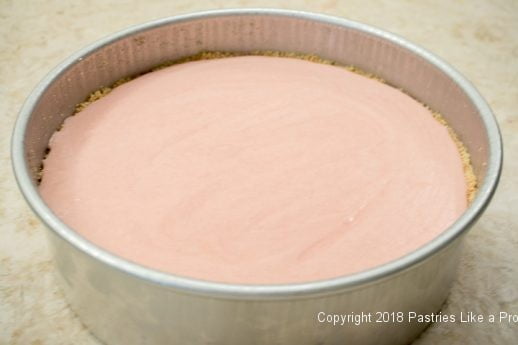
    • To reheat; wrap the torta in foil, leaving an opening in the center. Heat at 350 degrees for about 30 minutes.  Store any leftovers in the refrigerator

    Nutrition

    Serving: 1servingCalories: 571kcalCarbohydrates: 51gProtein: 25gFat: 31gSaturated Fat: 17gPolyunsaturated Fat: 2gMonounsaturated Fat: 9gTrans Fat: 1gCholesterol: 137mgSodium: 1307mgPotassium: 776mgFiber: 8gSugar: 5gVitamin A: 19302IUVitamin C: 81mgCalcium: 549mgIron: 6mg
    Tried this recipe?Mention @helensfletcher or tag #pastrieslikeapro!

    Honey Thyme Apple Tart

    Modified: Apr 7, 2023 · Published: Jan 5, 2017 by Helen S Fletcher · This post may contain affiliate links · 4 Comments

    Honey Thyme Apple Tart

    Honey Thyme Apple TartThis simple Honey Thyme Apple Tart came about out of total boredom pressing in forty three pastry shells for a dessert at the restaurant. My mind started wandering around the fifth shell. I knew I wanted something simple, easy to put together with an unexpected element to start the year. It is not only beautiful to look at, it is even better to eat. The little bit of thyme gives this an unexpected note while the honey and balsamic vinegar offset each other. [Read more...]

    Heavenly French Toast with Blueberry Compote

    Modified: Aug 25, 2025 · Published: Dec 29, 2016 by Helen S Fletcher · This post may contain affiliate links · 5 Comments

    Finished Photo
    Finished Photo

    This recipe for Heavenly French Toast was originally posted in May of 2014 but it is the perfect brunch dish for the first of January.  When I was recently in Chicago, my family took me to Heaven on Seven for a  get together with some friends.  I’d heard about this restaurant for years – especially from my son Dirk – who loves it.  In fact, I was given their cookbook as a gift.   As we approached an office building, I thought perhaps we were making a quick stop, but as we entered the elevator I watched as the number seven was punched. As we exited the elevator, I still had no clue.  A few steps later, we entered Heaven on Seven and I was awestruck by the hundreds and hundreds of hot sauce bottles from ceiling to floor covering wall after wall.  There couldn’t be a better wall covering for one of the countries premier Cajun restaurants,

    [Read more...]

    Brandied Chocolate Cherry Almond Garmisch

    Modified: Aug 25, 2025 · Published: Dec 22, 2016 by Helen S Fletcher · This post may contain affiliate links · 10 Comments

    Brandied Chocolate Cherry Almond Garmisch
    Brandied Chocolate Cherry Almond Garmisch

    Garmisch is another wonderful yeasted coffeecake as only the Germans can make them. Superb bakers, their products not only look beautiful but are luxurious tasting.

    This yeast dough is really easy to put together and even if you have been slow to come to yeasted doughs this is a great place to start. It is a firmer dough that handles easily. It can be made ahead and refrigerated for several days before shaping and after baking, it freezes to be eaten another day - maybe as a special treat on New Years Day morning.

    This Garmisch dough comes from a recipe that is so old I can't remember where I got it. The dough itself is not sweet. The sweetness of the Garmisch comes from the filling. The original filling was walnuts and while delicious, the chocolate cherry almond filling adds a note of excitement. Dried bing cherries are soaked in brandy. Almond paste, a European favorite combines exquisitely with the cherries and brandy. The processor makes quick work of combining the ingredients into a filling with the egg white used to bind the filling.

    [Read more...]

    Chocolate Raspberry Gateau

    Modified: Jul 30, 2025 · Published: Dec 15, 2016 by Helen S Fletcher · This post may contain affiliate links · 14 Comments

    Chocolate Raspberry Gateau
    Chocolate Raspberry Gateau

    This Chocolate Raspberry Gateau is one of the most flavor packed, moist cakes to be found.  Please don't be put off because this looks so intimidating.  While it looks intimidating, it really is not hard to make.  I have provided a schedule starting a month out and it has to be competed a day or two before serving.  The Chocolate Raspberry Gateau is ideal for entertaining, and is one of the great celebration cakes. This is an updated version of the one originally written in my first book, The New Pastry Cook.

    Gateau is the French word for cake. It generally denotes items made with delicate ingredients which are best consumed soon after the confection is made. Cakes can last much longer, some even improving with age (fruit cake). Torte is the German word for cake, with similar properties.

    [Read more...]

    Unbelievable Cheesecake Update!

    Modified: Jul 12, 2025 · Published: Dec 1, 2016 by Helen S Fletcher · This post may contain affiliate links · 19 Comments

    Unbelievable Cheesecake

    Unbelievable CheesecakeI originally posted this Unbelievable Cheesecake in 2013.  However, on this, my last regular appearance on KMOV's Great Day St. Louis, I chose to update it using the food processor.  In doing so, this is the fastest and easiest cheesecake I've ever made.

    This is the easiest of all cheesecakes to make – five ingredients and you're good to go (I don't count water as an ingredient, if you do it's  six). When I first stumbled across this recipe, it called for baking it overnight. I did and I ended up with a large off white hockey puck.

    This unbelievable cheesecake requires no crust, no water bath and can be put together in a matter of ten to fifteen minutes from gathering the ingredients to pouring it in the pan. A 2 ½ hour slow bake insures a perfectly smooth, creamy, delightful cheesecake with no cracks ready to serve plain or with a sauce.

    While a springmold pan can be used, my preference is a cheesecake pan. This pan can be seen in our sour cream cheesecake post.

    I prefer to make this in the processor as opposed to the mixer but I have included instructions for both. It is far easier to get a completely smooth, lump free cheesecake with the processor but either machine will yield a wonderful cheesecake so don't hesitate to use what you have.

    Many of my cheesecakes including the Bailey's Cheesecake is made in the processor for a superior cheesecake.

    Cheesecake
    3 to 4 tablespoons graham or cookie crumbs
    2 pounds cream cheese, regular or ⅓ less fat, room temperature (910 grams)
    1 cup sugar (200 grams or 7 ounces)
    5 eggs
    2 tablespoons vanilla extract
    ¼ cup water

    Spray a 9 inch cheesecake or springform pan with cooking spray. Add the crumbs and shake the pan to dust it with the crumbs on the bottom and about 1 ½ inches up the side. Remove the excess and set the pan aside. Preheat the oven to 200 degrees.

    Processor Method
    Place half the cream cheese in the processor and process until it is smooth. Add the remainder of the cream cheese and the sugar, processing until completely smooth. Scrape down several times to make sure there are no lumps hiding. Add the eggs, process and scrape down. Add the vanilla and water. Process to make sure it is smooth.

    Pour it into the prepared pan and continue to baking.

    Mixer Method
    In a mixer bowl, combine the cream cheese and sugar, beating until smooth. Scrape the sides and bottom often to prevent lumps. Add the eggs, one at a time. Scrape down every two eggs. Add the vanilla and water and beat to just combine. You do not want to incorporate air at this point. That’s it!!! Pour into the prepared pan and place in the oven.

    Baking
    Bake for 2 ½ hours until the cheesecake does not “jiggle” in the middle. It will be very lightly browned. Cool in the pan and refrigerate until cold or overnight.

    To remove from the pan easily, heat the sides with a hair dryer set on high. If using a cheesecake pan, place it on top of a wide can and slide the bottom down. If using a springform pan, release the side of the pan. Using a straight, metal spatula, loosen the bottom by slipping the spatula between the cake and the bottom of the pan. Using two pancake turners, one on each side of the cake, lift the cheesecake onto a serving plate. If using a springform pan, you cannot loosen the bottom because of the lip. However, the cheesecake should be firm enough to lift off using the pancake turners.

    Note: This cheesecake freezes well if you wish to make it ahead.

    Brandied Cranberry Sauce -  I realized that the cheesecake would benefit from a sauce.  Looking around I had a package of cranberries in the freezer so I quickly made this sauce.  I did not write down the amounts but these are as I remember them.  Cranberries have an enormous amount of pectin which is why there is no thickener used.
    12 ounce package fresh or frozen cranberries, picked over (340 grams)
    ½ cup water
    1 ¼ cup sugar (250 grams or 8 ¾ ounces)
    1 tablespoon lemon juice
    2 tablespoons brandy

    Combine all of the ingredients except the brandy in a medium saucepan. Bring to a boil. Boil until slightly thickened. Remove from the heat and add the brandy. Cover directly with film and allow to cool. Refrigerate.

    To use: Heat slightly if necessary to loosen if too thick.

    Stuffed Italian Bread - Pane Bianco

    Modified: Apr 23, 2026 · Published: Nov 17, 2016 by Helen S Fletcher · This post may contain affiliate links · 6 Comments

    Pane Bianco may look intimidating, but its unique shape is actually easy to achieve and makes an impressive presentation. It is literally stuffed with flavor, in this case zippy garlic oil, pesto, calamata olives, and provolone cheese although almost anything can be used.

    While there are a few moving parts to this recipe, everything can be done ahead and in stages. In fact, I recommend making the dough for the bread 3 days ahead in the fridge. The pesto and zippy olive oil can be made a week ahead. The cheese and olives for the filling can be prepared the days before and refrigerated.

    Pane Bianco Bread in its twisted S shape on a cooling rack.


    I first ran across this huge loaf on the King Arthur website.  As I read the introduction, I noticed we have Dianna Wara of Washington, Illinois to thank for this beauty.   She  took first place with her Pane Bianco  in the first-ever National Festival of Breads. No matter where this recipe came from, it should be in every bread baker's repertoire.

    If you love stuffed or flavored yeast breads, the Stuffed Foccacia, International Flatbreads or the Muffaletta Bread which includes a sandwich may just be the thing for you.

    [feast_advanced_jump_to]

    Why You'll Want to Make Pane Bianco

    • It's stuffed with all the flavors of the Mediterranean in a soft bread.
    • The filling can be changed out as desired.
    • If left to rest in the refrigerator for several days, the dough is very easy to roll out with no spring back so often present with yeast doughs.
    • The impressive shape, color and texture is one of the best breads you will ever make.
    • Despite its appearance, it is actually easy to make. Just follow the photos.

    Recipe Ingredients

    Pesto

    Pesto ingredients include, parmesan cheese,basil olive oil, pine nuts, salt, pepper.

    FRONT ROW: Garlic clove, salt, pine nuts, pepper

    BACK ROW: Parmesan cheese, fresh basil, olive oil

    Zippy Garlic Oil

    The  ingredients for the Zippy Garlic Oil are olive oil, garlic and red pepper flakes.

    FRONT ROW: Red pepper flakes, garlic cloves

    BACK ROW: Olive oil

    Pane Bianco Bread

    The Pane Bianco bread include milk, water, egg, zippy olive oil, salt, bread flour and instant yeast.

    FRONT ROW: Zippy olive oil, salt, egg, instant yeast

    BACK ROW: Milk, bread flour, water

    Filling for the Bread

    The filling for Pane Bianco includes, provolone cheese, calamata olives, pesto, zippy olive oil

    FRONT ROW: Zippy Olive Oil, pesto

    BACK ROW: Provolone cheese, calamata olives

    Variations and Substitutions

    • The pesto can be purchased. Just make sure it isn't too loose. If it is, add extra cheese to tighten it up. If making it, it can be made weeks ahead and stored in the refrigerator or dropped by tablespoons onto waxed paper and frozen for longer storage.
    • Walnuts can be substituted for the pine nuts if desire. They should be toasted, as are the pine nuts to bring out their flavor. Toast them in a 350°F oven for 87 to 10 minutes until fragrant and a bit darker in color.
    • All-purpose flour can be substituted for the bread flour but bread flour will produce a better result.
    • I used Extra Virgin Olive Oil but other grades can be substituted. If olive oil isn't your thing, sub canola oil.
    • Other cheese can be substituted for the provolone.

    Special Note About the Zippy Garlic Oil

    It is important to strain the garlic out as it comes to room temperature.  The USDA issued a warning some years back that there is a small possibility of botulism forming if garlic is left in the oil. As long as the garlic is removed the oil will be safe.  All of the oil made for this recipe will be used. I usually double or triple the recipe to have on hand for a myriad of uses. However, I store mine in the refrigerator where it will last almost indefinitely.

    Be sure to see the recipe card below for the exact ingredients and instructions.

    Step by Step Instructions

    Pesto

    This pesto is a thicker version than most that use a lot of oil. The recipe for the Pane Bianco uses a less runny pesto and this recipe allows you to adjust it as required.

    Pesto ingredients are garlic cloves, all ingredients in the processor and processed.

    Step 1. To easily remove the skin from garlic cloves, place them on a cutting board and then, with the flat side of a large knife, smash them. Step 2. The skins will pop off, leaving clean garlic cloves. Step 3. Place all the ingredients for the pesto in a food processor or blender. Step 4. Process until smooth.

    Zippy Garlic Oil consists of garlic, olive oil with garlic and red pepper flakes, the mixture strained and measured in a 1 cup measure.

    Step 1. Remove the skins from the garlic, chop each clove into about 4 pieces. Step 2. Place the olive oil, red pepper flakes, and garlic in a small saucepan. Heat until the garlic is medium brown. Take care not to burn it. Step 3. When the oil comes to room temperature strain the mixture to remove the solids. Please see the Special Note About Zippy Garlic Oil above. Step 4. There should be almost ½ cup. All of it will be used in various places for this recipe.

    This collage shows the yeast combines with the liquid ingredients, the flour over the liquid ingredients in the mixing bowl, the dough initially mixed and then completely mixed.

    Step 5. Combine the milk, water, egg, zippy garlic oil, salt, and instant yeast in the bowl of a mixer. Whisk together and let sit for several minutes. Step 6. Add the flour. Step 7. Fit the mixer with a dough hook if available. Beat on low to combine the ingredients. Step 8. Continue to beat the dough on the speed recommended by your mixer until the dough cleans the bowl and comes together in a smooth ball.

    This collages shows the bread out of the mixer in a smooth ball, the window pane test for stretchability, the dough stored in a container and the container marked with the time.

    Step 9. Remove a small piece of dough from the mixer. To test for gluten development, hold the dough between two hands and gently stretch it out. If you can see through the dough it has been beaten enough. If it breaks, then it needs to be beaten a bit longer. Repeat the test as needed. This test works on any yeast dough. Step 10. Remove the dough from the bowl and knead it a few times into a smooth ball. Step 11. Place it in a container sprayed with a non-stick baking spray. Cover with plastic wrap. Step 12. Place the lid on the container or cover with a towel. Mark the time on it and let it rise until doubled. Use immediately, or as I suggest let it rest in the fridge for up to 3 days when it will be easier to handle and develop more flavor.

    This collage shows the dough rolled out, spread with pesto and topped with the olives and cheese.

    Step 13. Roll the dough out into a 22" x 8" rectangle on a lightly floured board. This is super easy if the dough is cold from the fridge. Step 14. Loosen the pesto to spreading consistency and spread it to within about 1" of the borders. Step 15. Distribute the olives evenly over the pesto. Step 16. Top with the cheese.

    The steps in this collage show the filled dough being rolled from the long side, almost all rolled up, the end being pinched together and the roll turned over.

    Step 17. Turn the dough in from the long side. Step 18. Roll the dough to the end. Step 19. Pinch the seam closed. Step 20. Turn the roll over so the smooth side is on top.

    The last collage shows the roll of filled dough being cut open, the top of the dough pulled down to the center, the bottom of the dough brought  up to the center and the risen Pane Bianco.

    Step 21. With a pair of scissors, cut the roll lengthwise to within 1" of each end. Step 22. Keeping the cut side up, bring the top of the dough down on the right side to the middle and tuck the end underneath. Step 23. Now bring the bottom of the dough up to the left side and tuck the end underneath. (See I told you the shape wasn't hard!). Place the shaped dough on a parchment lined baking sheet. Step 24. Cover with a towel and let rise until doubled in size. Bake as directed.

    Recipe FAQS

    What does Pane Bianco mean?

    White bread in Italian.

    What other fillings could be used?

    Almost anything goes as long as it isn't wet. Caramelized onions and guyere cheese would be great or roasted red peppers, artichokes and parmesan cheese would also work well.

    Does the Zippy Garlic Oil have to be used?

    No, plain oil is fine but doesn't impart the same flavor or impact.

    Expert Tips

    • The zippy garlic oil can be used wherever olive oil is used in a recipe to impart more flavor. When making the oil, leave the garlic in large pieces and cook on low heat to extract as much flavor as possible out of the garlic. Just be sure not to burn it. Strain the solids out and refrigerate the oil.
    • The filling can be changed to whatever you like as long as it isn't wet. For instance, if you want to use tomatoes use dried tomatoes. Fresh tomatoes can exude a lot of unwanted liquid.
    • Refrigerating the dough up to 3 days adds flavor and makes it much easier to roll out and shape.
    • Be sure to check out the special note regarding the zippy garlic oil.
    • There will be leftover pesto. It can be stored in the refrigerated if using in the next few weeks. For longer storage, drop by tablespoons onto waxed paper and freeze. Place in a freezer proof container or bag and use within a couple of months. It's great to flavor butter, pasta sauces and salads or an Italian cheese sandwich. Make like a regular toasted cheese sandwich but spread pesto on a slice of bread and top with provolone cheese. Yum!
    Several cut slices of the bread on a cooling rack.

    Other breads You'll Want to Make

    • Stuffed Focaccia
    • Red Pepper Bread for Bread and Soup
      Bread and Soup - A Winter Combo
    • No-Knead Sicilian Olive Bread
      No-Knead Sicilian Olive Bread
    • Finished Baguettes
      Wine and Cheese Baguettes- A Favorite bread

    If you love this Pane Bianco, It would be hugely helpful and so appreciated it if you would take a moment to leave a rating below. Thank you.

    Pane Bianco - Stuffed Italian Bread

    Helen S. Fletcher
    Pane Bianco is an exciting stuffed Italian Bread that, despite it's gorgeous presentation is very easy to make.
    No ratings yet
    Print Recipe Pin Recipe
    Prep Time 1 hour hr
    Cook Time 35 minutes mins
    Rising 4 hours hrs
    Total Time 5 hours hrs 35 minutes mins
    Course Bread
    Cuisine Italian
    Servings 16 servings
    Calories 291 kcal
    Prevent your screen from going dark

    Ingredients

    Pesto

    • 1 ¼ ounces basil leaves (35 grams)
    • 2 medium garlic cloves
    • 3 tablespoons toasted pine nuts or walnuts
    • ½ cup parmesan cheese
    • ¼ teaspoon salt
    • ½ teaspoon black pepper
    • 3 to 4 tablespoons olive oil

    Zippy Garlic Oil

    • ½ cup olive oil
    • ¾ teaspoon red pepper flakes
    • 2 large garlic cloves

    Pane Bianco

    • ½ cup lukewarm milk
    • ⅓ cup lukewarm water
    • 1 large egg
    • 3 tablespoons zippy garlic oil
    • 1 ¼ teaspoon salt
    • 2 ½ cups bread flour (360 grams)
    • 2 teaspoons instant yeast

    Filling

    • 2 tablespoons zippy olive oil
    • ⅓ cup pesto
    • ¾ cup chopped calamata olives
    • 1 cup grated or finely shredded provolone cheese

    Instructions
     

    Pesto

    • Pull the leaves off the stems. There should be about 4 cups loosely packed.
    • Place all but the oil in the bowl of the processor and process to finely cut up.
    • This makes approximately ¾ cup. Store in the refrigerator until needed or drop by tablespoons and freeze for longer storage.
    • When ready to use, thin out with the zippy garlic oil to a spreading consistency. Do not make it too liquid.

    Zippy Garlic Oil

    • To remove the skins from the garlic easily, smash the cloves with the flat side of a knife. The skins will pop off. Cut each clove in about 3 pieces.
    • Place all the ingredients in a small saucepan and heat over low to a bare simmer. Simmer until the cloves turn brown but do not burn them.
    • Remove from the heat and let cool until lukewarm. Strain the solids out of the oil. Pour the oil into a container, cool to room temperature then store in the fridge until needed. It appear solid but will liquify if brought out 30 minutes before using.

    Pane Bianco Bread

    • Add the milk, water, egg, zippy olive oil., salt and yeast in the bowl of a mixer fitted wtih a dough hook if available. Whisk to combine. Add the flour. Beat on low to combine. Raise the speed as suggested by your mixer and continue beating for 3 minutes.
    • Take a small piece of dough and stretch it between your hands. If it becomes transparent without breaking, the gluten has been developed enough. If not, return it to the bowl and beat for another minute or so. The bowl should be clean when finished mixing.
    • Remove from the mixer and knead several times to form a smooth ball. Place in a container sprayed with a non-stick baking release. Cover directly with plastic wrap, place the top on the container or cover with a towel. Mark the time and allow to double in bulk.
    • It can be used immediately but I suggest storing it in the refrigerator for 3 days to allow it to develop more flavor and make it easier to roll out. In any case, deflate the dough.
    • Roll the dough into a 22" x 8" rectangle on a lightly floured board.
    • Spread the pesto paste over the dough to within 1" of the borders. Spread the olives evenly over the pesto and finish with the provolone cheese.
    • Starting on the long side, Roll the dough up tightly. Pinch the seam together to seal it. Turn the dough over so the smooth side is up.
    • Place the roll on a piece of parchment paper the size of your baking pan. With a pair of scissors, make a 1" deep cut to within 1" of each end.
    • Keeping the exposed cut on top, make an S shape by bending the top down to the middle of the right side of the dough.  Tuck the end underneath.
    • Bring the bottom of the dough up along the left side of the dough, tucking the end underneath. Carefully transfer the paper to your baking pan.
    • Cover and let rise for about 1 hour if the dough was room temperature when you started or up to 2 hours or more if the dough was cold from the refrigerator.  In any case, it should be doubled and puffy.
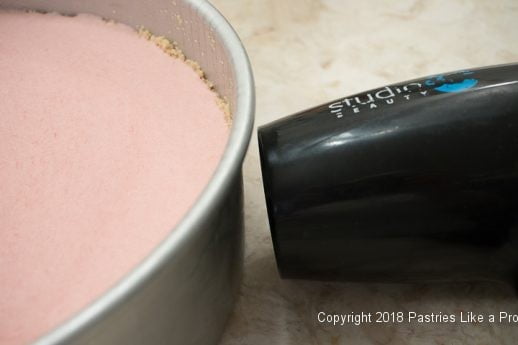
    • Preheat the oven to 350°F.  Brush the Pane Bianco with the zippy garlic oil.  Bake for 35 to 40minutes until deeply golden brown.
    • Cool on a rack and serve warm or room temperature.

    Notes

    There is always an abundance of photos to guide you in the post above.
    As always, I recommend using a scale for accuracy and consistency.  Flour, in particular, is difficult to measure by volume.  For my recipes, I use 140 grams per cup of unsifted  all-purpose, bread or whole wheat flour and 125 grams of cake flour. Others may use different weights so use whatever they suggest.
    __________________________________________________
    Refrigerating the dough up to 3 days adds flavor and makes it much easier to roll out and shape. 
    The pesto can be purchased.  Just make sure it isn't too loose. If it is, add extra cheese to tighten it up. If making it, it can be made weeks ahead and stored in the refrigerator or dropped by tablespoons onto waxed paper and frozen for longer storage.
    Walnuts can be substituted  for the pine nuts if desire. They should be toasted, as are the pine nuts to bring out their flavor. Toast them in a 350°F oven for 87 to 10 minutes until fragrant and a bit darker in color.
    All-purpose flour can be substituted for the bread flour but bread flour will produce a better result.
    I used Extra Virgin Olive Oil but other grades can be substituted. If olive oil isn't your thing, sub canola oil.
    Other cheese can be substituted for the provolone.
    The zippy garlic oil can be used wherever olive oil is used in a recipe to impart more flavor. When making the oil, leave the garlic in large pieces and cook on low heat to extract as much flavor as possible out of the garlic. Just be sure not to burn it. Strain the solids out and refrigerate the oil.
    The filling can be changed to whatever you like as long as it isn't wet. For instance, if you want to use tomatoes use dried tomatoes. Fresh tomatoes can exude a lot of unwanted liquid.
    There will be leftover pesto. It can be stored in the refrigerated if using in the next few weeks. For longer storage, drop by tablespoons onto waxed paper and freeze. Place in a freezer proof container or bag and use within a couple of months. It's great to flavor butter, pasta sauces and salads or an Italian cheese sandwich. Make like a regular toasted cheese sandwich but spread pesto on a slice of bread and top with provolone cheese. Yum!
    Be sure to check out the SPECIAL NOTE regarding the zippy garlic oil.


    Nutrition

    Serving: 16slicesCalories: 291kcalCarbohydrates: 17gProtein: 8gFat: 22gSaturated Fat: 5gPolyunsaturated Fat: 2gMonounsaturated Fat: 12gTrans Fat: 0.001gCholesterol: 21mgSodium: 486mgPotassium: 90mgFiber: 1gSugar: 1gVitamin A: 401IUVitamin C: 1mgCalcium: 132mgIron: 1mg
    Tried this recipe?Mention @helensfletcher or tag #pastrieslikeapro!

    Updating Holiday Baking

    Modified: Apr 30, 2026 · Published: Nov 10, 2016 by Helen S Fletcher · This post may contain affiliate links · 4 Comments

    Orange Cranberry Cake for Holiday Baking

    Orange Cranberry Cake for Holiday BakingHoliday baking is like no other time of the year.  With the holidays upon us, I thought it might be interesting to go back into my past blogs and pull up some of the best holiday baking.

    There is a cheesecake, pie, cakes, muffins and a lot of cookies that might be new to your Holiday cookie selection.  I've even included my favorite Cranberry Relish which is really easy, has nothing to do with baking but is one of my best holiday dishes.

    Holiday baking needn't be stressful.  Many of the recipes here can be made ahead in whole or in part.  Many can be frozen.  All will add to your holiday baking repertoire and I hope become traditions for you. [Read more...]

    Honey Diamonds - A cookie? A small cake?

    Modified: Jul 25, 2025 · Published: Oct 27, 2016 by Helen S Fletcher · This post may contain affiliate links · 8 Comments

    Honey Diamond cookies

    Honey Diamonds are a rare cookie with no shortening. These soft pillows of spiced chocolate are actually more like little cakes packed with flavor that only get better when they sit. Its quick preparation is a boon to busy bakers and as a bonus they make the house smell wonderful while baking.

    Honey diamonds are a rare cookie with no shortening but chocolate, honey and spices.

    These were always a special Christmas cookie growing up and I kept that tradtion going when I married.

    Vanilla sugar used to finish the Honey Diamonds

    The simple finish of coating the Honey Diamonds in vanilla sugar is all that is needed to finish them.  Vanilla sugar is easily made by burying a few vanilla beans in a jar of granulated sugar and aging it for weeks, months or years.  I have added vanilla beans to my canister of vanilla sugar over the years as you can see.  If I use a vanilla bean in a poaching liquid I rinse and dry it and then add it to the sugar.   If I use only the seeds in a recipe, I add the pod to my sugar.  I replace sugar as needed and it can be used anywhere sugar is called for.

    The only really caveat is to make sure they are not over baked which will dry them out. The edges of this pan cookie will rise higher than the middle.  I push the edges down as soon as hey come from the oven but be careful the pan is hot.  The edges will never be quite the same height because the middle falls somewhat after baking but it really doesn't matter.

    Make the Honey Diamonds a day or two ahead, cut and sugar them, then place them in an airtight tin to mellow.  This combination of honey, brown sugar,  spices and chocolate is one of my all time favorites. The combination of chocolate and these spices was the inspiration for my  Chocolate Spice Olive Oil Biscotti.

    Ingredients for the Honey Diamonds

    Honey Diamonds

    3 ounces unsweetened chocolate (85 grams)
    5 eggs
    1 pound brown sugar (454 grams or 16 ounces)
    1 teaspoon vanilla
    ½ cup honey
    2 teaspoons cinnamon
    ½ teaspoons cloves
    ¼ teaspoon nutmeg
    ¼ teaspoon salt
    1 teaspoon baking soda
    1 teaspoon baking powder
    3 cups all purpose flour (420 grams or 14  ¾ ounces)
    4 ounces slivered almonds (114 grams or 4 ounces)

    Additional granulated sugar as needed or vanilla sugar, see above

    Preheat oven to 350 degrees. Lightly spray the bottom of a 9x13 inch pan. Cover with a piece of parchment paper. Set aside.

    Melt the chocolate, cool and set aside.

    Eggs, sugar and vanilla for the Honey Diamonds
    Eggs, sugar and vanilla beating for the Honey Diamonds
    Honey added for the Honey Diamonds
    Chocolate added for the Honey Diamonds
    Spices added for the Honey Diamonds
    Flour added for the Honey Diamonds
    Nuts added for the Honey Diamonds

    Combine the eggs, sugar and vanilla in a mixer bowl. Beat until ingredients are mixed on medium, then beat on high for 2 minutes. Add the honey, chocolate, cinnamon, cloves, nutmeg, salt, baking soda and baking powder.  Beat until thoroughly blended.Add the flour and mix on low until completely combined, scraping down as necessary.Add nuts toward the end.  You have to really look - I forgot to tell Mike I was adding them.

    Pour batter in pan for Honey Diamonds
    Spreading batter for the Honey Diamonds

    Pour the batter into the prepared pan.  Smooth out and bake 32 to 35 minutes until a tester comes out very slightly sticky when inserted in the center of the pan. Do not overbake or they will be dry.

    As soon as you remove them from the oven, carefully push the edges down to flatten them as much as possible as they will be higher than the center.  They will remain somewhat higher but that is as it should be.

    Measuring for the Honey Diamonds
    Vertical cuts for the Honey Diamonds
    Cutting on the diagonal for the Honey Diamonds
    Cutting on the diagonal for the Honey Diamonds
    Diamonds cut for Honey Diamonds
    Cleaning the knife between cuts for the Honey Diamonds
    Pressing into sugar for Honey Diamonds
    Tray of cut and sugared Honey Diamonds
    Straining the sugar for the Honey Diamonds
    Cookies in a tin for the Honey Diamonds

    Let cool in pan until just warm. Loosen the edges with a spatula. Turn out onto a board and remove the parchment paper.  Leaving the Honey Diamonds upside down,  trim edges (you don't see the scraps because we ate them too fast, sorry!) and cut into strips approximately one inch wide.  Mine were abut 1 ¼".  Cut on the diagonal to form diamonds.

    The easiest way to do this is start cutting at the top of the next vertical strip as seen below.  When  you run out of the top of the strip, cut from the bottom of the strip up.  Clean your knife between each cut by scraping off the residue with another knife.  This will give you the cleanest cut.  Also, do not pull the knife back up to the top.  Slide it out at the bottom to avoid crumbs on top and a ragged cut.  

    Press all sides into granulated or vanilla sugar. After the Honey Diamonds have all been sugared, strain the sugar to remove the crumbs and store back in the canister.  Store in an airtight tin for a couple of days so the flavors meld and mellow.

    Yields: About 36 to 40 diamonds and some great scrapes. These may be cut into squares or bars if desired to do away with the scraps and get a greater yield.  But you will be sorry you don't have them to eat.

    To Make Ahead: These freeze very well for several months without the sugar. Thaw, cut and roll in sugar.

    SaveSave

    Triple Ginger Crisps

    Modified: Oct 11, 2016 · Published: Oct 13, 2016 by Helen S Fletcher · This post may contain affiliate links · 12 Comments

    Triple Ginger Crisp

    Triple Ginger Crisp These Triple Ginger Crisps are a mouthful of flavor. They should be very crisp when cooled. These are a make ahead treat as the flavor gets better as they are stored in a tin. The three types of ginger give a bite to the cookies and they leave a lingering taste that makes you reach for one more.

    These Triple Ginger Crisps can be made relatively quickly or they can be made a little fancier if you're willing to spend a bit more time.  They can be left plain or finished with sanding sugar  which can be found in kitchen supply stores, grocery stores and on the net.  It won’t melt when baked as regular sugar will.  Another sugar that can be used is pearl sugar. [Read more...]

    Cheddar Pecan Shortbreads

    Modified: Jul 25, 2025 · Published: Oct 6, 2016 by Helen S Fletcher · This post may contain affiliate links · 25 Comments

    Zippy Cheddar Pecan Shortbreads
    Zippy Cheddar Pecan Shortbreads

    While shortbreads are usually thought of as sweet, these Cheddar Pecan Shortbreads are definitely on the savory, snacky side. Anything with cheddar cheese, pecans and cayenne pepper is definitely on my must try list. But I must warn you, these are absolutely, positively addictive. There is no way to eat just one – hence the large number it makes!

    When I had my take out shop, we sold these Cheddar Pecan Shortbreads and they were always a winner with wine, beer, lemonade or nothing at all.

    They are perfect for the holidays as they can be kept in an airtight tin for weeks and in the freezer, unbaked for months. One thing to mention is that they will seem a lot zippier if eaten when just baked. They should be made and stored in a tin for at least a few days to mellow them out - even better for the busy times.

    [Read more...]

    Stuffed (or Not) Kouign Amann

    Modified: Sep 19, 2025 · Published: Sep 28, 2016 by Helen S Fletcher · This post may contain affiliate links · 13 Comments

    Kouign Amann
    Kouign Amann

    One of the best descriptions I've read of Kouign Amann comes from Chef Steps:  "These salty, buttery pastries hail from the coastal region of Brittany, in the northwest corner of France, where Celtic Breton tradition has prevailed since the great migration across the English Channel during the fifth and sixth centuries. It looks just like you might imagine a Celtic colony on the seacoast of France would: towering bluffs dropping straight into the sea; tiny stone houses dotting the emerald countryside; slate-colored steeples rising into the morning mist. The region is best known for its vast salt flats, where the coveted finishing salt, fleur de sel, is harvested. Here, tucked into wandering village streets, bakeries hawk this much-lauded pastry treasure, whose name literally means “butter cake” in Breton."

    Kouign Amann (pronounced Queen-ah-mann) belongs to the laminated dough family in baking. A croissant like yeast dough is layered with butter and coated with sugar to produce a crunchy, sweet, caramelized pastry that some say is a breakfast pastry and some say is dessert. I could eat them all day long and not care a wit about what time it is!

    [Read more...]

    American Butter vs. European Butter

    Modified: Jul 25, 2025 · Published: Sep 19, 2016 by Helen S Fletcher · This post may contain affiliate links · 26 Comments

    Baked Puff Pastry for American Butter vs. European Butter for Laminated Doughs

    Baked Puff Pastry for American Butter vs. European Butter for Laminated DoughsButter used to be butter.  Cream was churned and separated into butter and buttermilk.  While it is still made that way, where in the world it comes from makes a difference, both in taste and its ability to make laminated doughs rise dramatically.  The puff pastry above started out as a ⅜ inch rectangle and rose to a dramatic 3 inches.

    For this test, I used Land O Lakes American butter and Kerry Gold Irish butter.  I couldn't find Plugra in my area.  Both of the butters were unsalted.Butters used for American Butter vs. European Butter [Read more...]

    A Discussion of Laminated Doughs

    Modified: Sep 19, 2025 · Published: Sep 6, 2016 by Helen S Fletcher · This post may contain affiliate links · 20 Comments

    Layers of laminated dough
    Layers of laminated dough

    In the coming months, I am going to be featuring articles on laminated doughs.  While they have a reputation for being difficult, the newer method of making them has taken a lot of the fear away.  It used to be that we were told there couldn't be a single tear in the dough, or the butter would all leak out, or the layering of dough would suffer.  Well, this easier method has the butter and detrempe or dough package cut up into little pieces, and then shoved together and rolled out.  No more worries.  This post will serve as a foreword to these individual posts.

    Laminated dough refers to a baking technique in which many thin layers of dough, referred to as leaves, are separated by butter, as a consequence of repeated folding and rolling. There are different types of laminated doughs. Puff pastry, croissant, and Danish are the three original laminated doughs. Kouign Aman and cronuts are variations of one of those. Another easy laminated dough is the Amazing Pastry Dough Recipe.

    Croissant and Danish contain yeast; puff pastry does not. In addition, the initial dough or detrempe for Danish contains egg, which the others don't. A recent addition to laminated dough is the cronut, which is basically doughnut dough that is laminated with butter. Kouign aman is a croissant type dough that is sugared when shaping, producing a crackling caramel sugar coating. It can be filled or unfilled. I will blog about this one shortly. The photo that opens this blog is of the Kouign Aman.

    Croissant or puff pastry can be savory as well as sweet.

    Laminated doughs are often thought of as difficult or scary to attempt. Originally, lamination occurred when a lean dough (one with no or little fat) was rolled out, and a butter block was encased in the dough. It was then rolled and folded several times to obtain a great number of thin layers of dough and butter. These are referred to as "turns".

    However, recently, a much easier method has been used. I first introduced making puff pastry in a food processor in my first book, "The New Pastry Cook". It was based on the Dutch system or Scottish method of making puff pastry in a mixer, which was introduced to America by Julia Child. Using a mixer allows you to use refrigerated cold butter. As a result, Julia cautioned not to use the processor for her method – and she was correct.

    However, one simple change allows puff pastry or laminated doughs to be made in the processor. Freezing the butter and partially freezing the detrempe makes it possible to use the food processor. It has been interesting to see how many books and articles are now using this method or some variation of it. I was surprised to see the Culinary Institute of America's "Baking & Pastry, Mastering the Art and Craft" now uses the Dutch system or Scottish method of making puff pastry in the mixer as opposed to the original butter block method which was always favored by pastry schools and professional pastry chefs.

    There is another method of making puff pastry, which is called inverse puff pastry. This is where the detrempe is on the inside and the butter is on the outside. There is an excellent article at https://chefeddy.com/2011/03/inverse-puff-pastry/.

    Butter as used in Laminated Doughs
    Butter is the preferred fat for incorporation because of its taste. However, any fat from lard to Crisco can be used, but it isn't suggested for reasons of taste. Vegetable shortening will give the highest rise and is used commercially in some ready to use puff pastry in supermarkets. But the lack of taste, along with the coating it leaves in the mouth, makes it undesirable.

    It stands to reason that the higher the butter fat content, the higher the laminated dough will rise when baked, simply for the reason that the more fat there is, the more steam will be created as it melts and releases its water in order to lift the dough. For this reason, European butters such as Plugra, Kerry Gold, and others are often recommended as they have an 82% butterfat content, whereas most national brands of American butter contain 80% butterfat as mandated by Congress.  I will be writing a post comparing the butters.

    While yeast aids in lifting croissants, kouign aman, cronuts, and Danish pastry, puff pastry is completely dependent upon the steam produced by the water in the dough and in the melting butter to raise it.

    Flour used in Laminated Doughs
    Flours can vary depending on what laminated dough you are making.  Generally speaking if the dough uses yeast, the flour is bread flour, which has a high protein coun,t making it possible for the item to retain its height while the heat sets it.

    My recipe for puff pastry uses pastry flour that I make by combining all purpose and cake flour. However, I recently heard Paul Hollywood of The Great British Baking Show mention that strong flour (bread flour in America) should be used.

    However, Rose Levy Beranbaum, in her book, "The Pie and Pastry Bible" thinks bread flour is not such a great idea for puff pastry.

    Stay tuned for my butter and flour tests using European and American butters, as well as the traditional pastry flour and bread flour.

    Rolling out the Dough
    There is a special rolling pin called a tutove for rolling out laminated doughs. However, I don't make them often enough to worry about it. I use my marble rolling pin on my marble tabletop. Marble is the best surface because it stays cold, which helps keep the butter cold. The least desirable surface is wood. However, just pop the laminated dough into the refrigerator or freezer for a few minutes if it warms up too much.  Just keep it firm.

    Originally, puff pastry was rolled and folded in what was referred to as a single turn. That meant it was folded like a letter. The method I use is the double turn, which means the dough is folded down from the top to the center and up from the bottom to the center, then folded in half at the center. This speeds up the process of rolling out and making turns. It is then turned 90° so the folded side is to the left for the next turn.

    Resting the dough
    During the rolling out and folding stage, the dough needs to be rested from time to time. While I have read it is because it springs back, I haven't found that to be a problem with my method. The reason I rest it is to keep the butter solid. If the butter begins to soften, you will roll it into the detrempe or onto the table, and that is not what you want to do. The idea is to keep the butter between the sheets of the detrempe. So it is necessary, if using my method or anyone's, to keep the butter cold so it doesn't mix with the dough or stick to the table.

    Storing Laminated Doughs
    When the dough is completed, it is best to leave it in the refrigerator overnight or up to several days. If not using it then freeze it for up to a year for unyeasted doughs. Several months for yeasted doughs. Thaw it in the refrigerator overnight before using if frozen.  The product can also be made up and frozen, then baked from the frozen stage.

    Shaping the dough
    Any laminated dough needs to be cut, so the edges of the dough are not sealed, or it won't rise as dramatically. The dough needs to be cold to cut it. If it has just been rolled out, refrigerate or freeze briefly to firm up. When cutting, use a sharp knife in an up and down motion. Do not drag the knife as that can seal the edges of the dough.

    Also, if using cutters, do not twist them when cutting. Cut straight down and remove them straight up to keep the pastry from baking lopsided.  If you are unsure if the cut has gone to the bottom, move the cutter side to side.

    If you need to attach pieces of dough together, brush them with water and press them together lightly. I prefer this to egg as the egg can seal the pastry if it drips down, but water won't. I often glaze the finished product with an egg wash, but I don't attach pieces with it.

    Scraps
    Although scraps of laminated doughs will never reach the height of the original, they are still eminently usable. I usually piece mine together or stack them up, dust them lightly with flour, and roll them out. If they soften, refrigerate them. Give them a turn, wrap them in film, and refrigerate or freeze them.

    Baking Sheets and Baking Temperatures
    Light colored baking sheets lined with parchment paper should be used when baking laminated doughs. The high butter content can cause the items to burn fairly fast. Dark sheets brown more quickly, and that is not what you want here. Also, I double pan all of the laminated doughs to ensure the bottom is not burned before the item is baked all the way through. I also bake on the middle rack of the oven to prevent burning the top, which can happen if baked higher up in the oven.
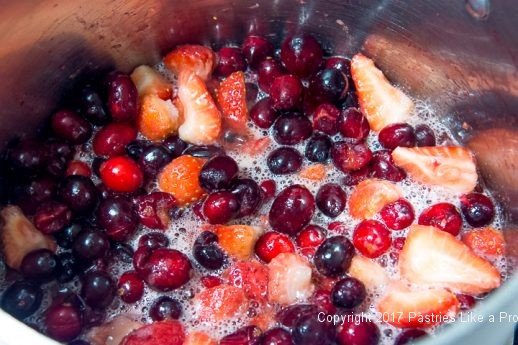
    Baking temperatures can be anywhere from 350°F to 425°F, depending upon what is being baked. Some recipes, especially if the laminated dough is thick, start at a high temperature to get the maximum lift to the dough and then reduce the temperature to make sure it bakes all the way through. Follow the guidelines in the recipe.

    Serving
    When cutting laminated doughs to serve, use a serrated knife in a sawing motion to preserve the layers and not squash them. It is the exact opposite of cutting the dough before it is baked.

    Research for this article came from the following:
    The New Pastry Cook, Helen S. Fletcher
    The Pie and Pastry Bible, Rose Levy Beranbaum
    Baking & Pastry, Mastering the Art and Craft, CIA
    https://chefeddy.com/2011/03/inverse-puff-pastry/
    www.classofoods.com/page4_1.htm

    Chocolate Raspberry Pop Tarts

    Modified: Jul 25, 2025 · Published: Aug 29, 2016 by Helen S Fletcher · This post may contain affiliate links · 5 Comments

    Chocolate Raspberry Pop Tarts

    Chocolate Raspberry Pop TartsA friend of mine, Danielle Luisi the pastry chef at Annie Gunn's, came up with this version of a pop tarts, but with different fillings. I can't thank her enough because they are easy and a very upscale version of this popular treat. Imagine a thick filling of chocolate and raspberrry sandwiched between two pieces of flaky buttery pastry.

    My pop tarts starts with a pate brisee, the French butter pastry. Made in the food processor it takes minutes. Chilling is the secret to this pastry because of the high butter content. Anytime it starts feeling a bit soft, line a baking sheet with parchment and pop it the fridge or freezer for a few minutes. Other than softening, it is a dream to work with.  This recipe also features a method to make shaping easier.

    However substituting a regular pie pastry will due nicely here also. [Read more...]

    Deep Butter Cake

    Modified: Sep 19, 2025 · Published: Aug 15, 2016 by Helen S Fletcher · This post may contain affiliate links · 28 Comments

    Deep Butter Cake
    Deep Butter Cake

    Deep Butter Cake is a specialty of St. Louis - or at least it was.  Somewhere in the last ten or so years, it seems to have disappeared from the cases of bakeries in my fair city.  I was reminded of it by a reader.  Marilyn was originally from St. Louis and remembers the city and its bakery items fondly.  She commented on a blog of mine and asked if I knew of a recipe for the Deep Butter Cake.

    As you can imagine, that sent me on a hunt - which was short!.  While there are many listings for the other St. Louis specialty - The Gooey Butter Cake, there are only two for the Deep Butter Cake.  The original recipe came from the St. Louis Post-Dispatch, which ran the recipe from Helfer's Bakery.  The only other mention I could find was from Olla Padrida, who altered the recipe by doubling the crumb part.

    [Read more...]

    Bananas Foster Ice Cream

    Modified: Jul 25, 2025 · Published: Jul 5, 2016 by Helen S Fletcher · This post may contain affiliate links · 6 Comments

    Bananas Foster Ice Cream
    Bananas Foster Ice Cream

    This Bananas Foster Ice Cream is a variation of that marvelous no machine ice cream featuring condensed milk and whipped cream. It also features very little work!

    An added ingredient, rum, keeps the ice cream from freezing rock hard and insures it stays nice and creamy for up to a couple of weeks (if it lasts that log) in the freezer.

    Bananas Foster is made with brown sugar which is simply white sugar coated with molasses. Less for light, more for dark. Since this recipe does not use sugar, I added a bit of molasses to emulate the flavor of the brown sugar. Rum is used, not only to keep the ice cream from freezing, but as one of the flavors of Bananas Foster.

    The caramel can be bought from the store or can be my Salted Caramel Sauce, with or without the salt.

    This really easy treat is especially welcome in the summer months but is good anytime.

     Bananas Foster Ice Cream
    3 ripe bananas
    1- 14 ounce can condensed milk
    3 tablespoons dark rum
    1 teaspoon mild molasses
    1 cup 40% or heavy cream
    Caramel Sauce, bought or made

    1 - 8 ¼ x 4 ¼ loaf pan or any 6 cup container, preferably deep for scooping. Set aside.

    Combine all but the cream and caramel in a blender or processor and blend until smooth.

    Whip the cream to stiff peaks. Turn the mixer on low and slowly add the banana mixture. Alternately, whisk the banana mixture into the whipped cream.

    Bananas Foster Ice Cream in the pan

    Pour ⅓ of the ice cream mixture into the pan and drizzle with ⅓ of the caramel sauce. Pour another ⅓ of the ice cream mixture into the pan and drizzle with another ⅓ of the sauce. Pour in the last third and drizzle the last of the caramel sauce on top. Swirl through once or twice with a table knifeFreeze several hours or overnight.

    Yield: About 5 ½ cups

    How to Make Almond Paste - Or Not!

    Modified: Aug 8, 2025 · Published: Jun 27, 2016 by Helen S Fletcher · This post may contain affiliate links · 16 Comments

    Almond Paste

    Almond PasteLast week I posted a recipe using almond paste. One of my regular readers asked me if I had a recipe to make almond paste since it is so expensive. At the time I remembered seeing such recipes so I hopped on the internet and found quite a few.

    Most of them featured blanched almonds, powdered sugar and egg whites as the binder.
    Armed with a pound of almonds, plenty of powdered sugar and egg whites, off I went.

    The first hint of a problem was getting the almonds fine enough. Processor blades dull after a while and I don't know if they can be sharpened.  I generally just replace mine.  However, since my processor is on it's last leg, I haven't and the blade is not as sharp as i would like it.  So I restorted to placing them in a blender with the powdered sugar and it did a great job after a lot of scraping and blending. After the nuts were finely ground, I transferred the mixture to the processor and added the egg white. It balled up into a gorgeous mass and when shaped into a log it looked spectacular.

    I went to bed that night happy with my conquest. Almond Paste – DONE!!! When I woke up the next morning I had a nagging feeling of needing to test my perfect product. [Read more...]
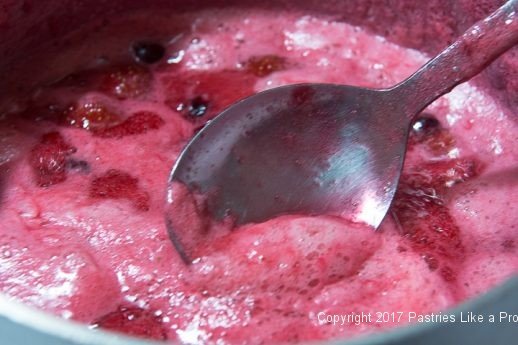
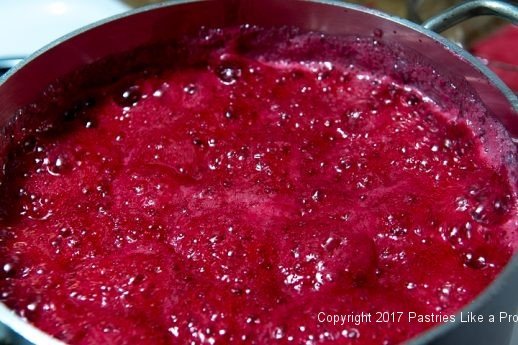
    Roasted Peaches with Amaretti Crisp

    Modified: Jul 25, 2025 · Published: Jun 20, 2016 by Helen S Fletcher · This post may contain affiliate links · 2 Comments

    Roasted Peaches with Amaretti Crisp

    Roasted Peaches with Amaretti CrispThe original recipe for the Roasted Peaches with Amaretti Crisp came from “Bon Appetit” and, of course, I had to dink with it a bit. This topping is so versatile it can be used over other fruit, ice cream or anywhere you want a bit of sweet crunch.
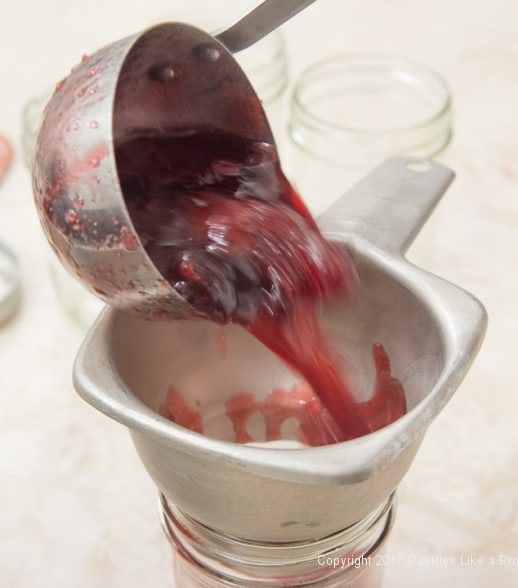
    The cookies are readily available in Italian stores (think The Hill in St. Louis) and are great on there own. Low in calories too!  If you are a purist, see my recipe for Amaretti Cookies.
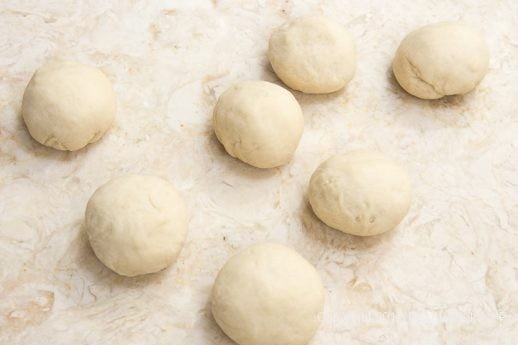
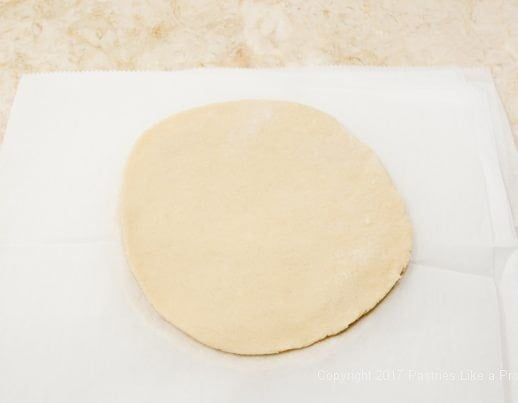
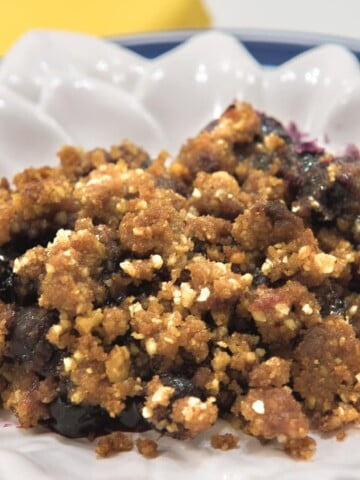
    Peeling the peaches for the Roasted Peaches with Amaretti Crisp can be a chore, but if the peaches are ripe, as they should be, the simple trick of popping them into boiling water for a couple of minutes, makes removing the skins a snap. Cut an X in the bottom of the peach skin before dunking it.  Leave it in until you can feel the skins loose. Run it under cold water as soon as it is done and just slip the skin off. [Read more...]

    • « Previous Page
    • 1
    • …
    • 8
    • 9
    • 10
    • 11
    • 12
    • …
    • 14
    • Next Page »

    Hi, I'm Helen! Being a self-taught baker and owning a bakery for over 25 years, I found many ways to make baking more successful and less intimidating. Even busy people can bake as in many cases, recipes can be done over days. The goal is to make your baking life easier, more enjoyable, with great outcomes on a consistent basis.

    More about me →

    Subscribe to receive our free ebook

    SUBSCRIBE

    Spring Baking

    • Slices of the Strawberry Cake sit on a marble plate with fresh strawberries.
      Strawberry Cake - A Little Slice of Heaven
    • Irish Apple Cake dusted with powdered sugar on a white and green tray
      Irish Apple Cake
    • Blueberry poke cake is a 9x13" cake that has holes poked in it and filled with a blueberry compote. It is finished with whipped cream and blueberry filling
      Blueberry Lemon Poke Cake
    • An Individual Italian Tiramisu sits on a cream colored plate and dark beige and silver trim with a cup of tea and a plater of tiramisu in the background,
      Individual Italian Tiramisu
    • A whole coffee cake muffin sits on a wite plate with a colored mug on the plate and more muffins in the background.
      Coffee Cake Muffins (Bakery-Style & Moist)
    • Chocolate Strawberry Mousse Torte on a golden plate.
      Chocolate Strawberry Mousse Torte

    Popular Recipes

    • This Mini Pineapple Upside Down Cake features a pineapple slice with a cherry in the middle on top of a yellow cake sitting on a blue and white plate.
      Mini Pineapple Upside Down Cakes
    • A plate of Cuccidati, fig and nut filled Italian Cookies sprinkled with multi-colored nonpariels.
      Cuccidati - Italy's Finest Cookie
    • This picture shows a slice of the coffee cake on a white, lace edged plate on a marble counter.
      Apricot Crumb Coffee Cake
    • Langue de Chat cookies in a bowl.
      Langue de Chat
    • Angel food Cake
      Perfectly Easy Angel Food Cake
    • Large nut pieces for Chopping Nuts
      Chopping Nuts - A Quicker Way

    Available Now

    Available on Amazon, Barnes & Noble, Apple Books, as well as other sites and in book stores.
    AUTOGRAPHED COPIES ARE AVAILABLE
    Click here to purchase an autographed copy.

    Footer

    ↑ back to top

    About

    • About Helen
    • Privacy Policy

    Newsletter

    • Sign Up! for emails and updates

    Contact

    • Contact
    • Press
    • Facebook
    • Pinterest
    • Instagram
    • Threads
    • Bluesky

    COPYRIGHT © 2026 PASTRIES LIKE A PRO

    Rate This Recipe

    Your vote:


    A rating is required
    A name is required
    An email is required